Introduction
In our urban lives, we observe clear indicators of climate change, such as intense heat waves, unpredictable weather patterns, flooded streets, and disruptions to our daily routines. Addressing this issue requires innovative solutions for carbon sequestration, which are essential.
A highly effective and cost-efficient method to sequester carbon is utilizing grazing lands effectively. These expansive areas provide a potent yet often overlooked strategy to counteract the escalating levels of carbon in the atmosphere. Joel Salatin, a revered figure in regenerative farming and an authoritative voice on food, soil, and agriculture, astutely notes that “properly managed grazing by livestock can significantly enhance soil carbon sequestration and ecosystem resilience.”
Also, André Leu, a prominent advocate for regenerative agriculture, underscores the significance of holistic grazing practices in boosting soil organic matter. This, in turn, plays a pivotal role in sequestering carbon and enhancing the productivity of the land.
These insights collectively emphasize the potential of leveraging grazing lands as a crucial avenue in our fight against climate change, highlighting their capacity to actively mitigate rising carbon levels and bolster environmental resilience.
In India, cattle grazing was intrinsic to farming, fostering a natural balance that aided carbon storage. However, the advent of modern tools led to a decline in reliance on cattle, diminishing the importance of grazing lands and disrupting this natural carbon-storing system.
Understanding the historical significance of grazing lands and cattle in carbon storage is paramount. Despite evolving farming practices, reintegrating cattle into modern agriculture could significantly bolster our fight against climate change.
The Power of Grasslands
1.Carbon Sequestration
- Grasslands, covering a substantial portion of the Earth’s surface, have the unique ability to sequester carbon dioxide from the atmosphere. Plants, including grasses, absorb CO2 during photosynthesis and store carbon in their biomass and the soil. Grasses, with their extensive root systems, are particularly efficient at storing carbon below the ground.
2.Grasslands vs. Trees
- While forests are often heralded as carbon sinks, studies have shown that grasslands can sequester carbon even more effectively. The intricate network of roots in grasslands traps carbon in the soil, preventing its release into the atmosphere. Grasses also have a shorter lifecycle than trees, allowing for quicker carbon sequestration.
Role of Grazing Animals in Ecosystems
Grazing animals are not mere consumers; they are nature’s gardeners. Their digestive processes aid in seed dispersal, transporting plant life across ecosystems. This essential role fosters biodiversity by enabling new growth and ensuring the survival of various plant species. In their search for food, these animals inadvertently stimulate plant growth, enhancing the overall health of grasslands. Moreover, their activities create microhabitats, supporting a diverse range of organisms.
Cattle Grazing Management: A Sustainable Approach
1.Replenishing Grasslands
Cattle, when managed responsibly, play a vital role in maintaining the health of grasslands. Grazing helps keep grasses at an optimal height, encouraging new growth and preventing the ecosystem from becoming stagnant. This constant renewal facilitates the sequestration of carbon as the grasses actively absorb CO2 during their growth phase.
2.Rotational Grazing
Rotational grazing mimics natural grazing patterns, giving grasslands time to recover and regenerate. By dividing the land into smaller plots and rotating cattle between them, overgrazing is minimized.
Monitoring stocking rates ensures that the number of grazing animals matches the land’s carrying capacity, preventing soil degradation. Preserving riparian areas, vital for water quality and wildlife, is integral to sustainable grazing. Through these practices, cattle grazing becomes a harmonious part of the ecosystem.
3.Enhancing Soil Fertility
Cattle grazing promotes nutrient cycling. Their manure enriches the soil with essential nutrients, fostering the growth of healthier grasses. This natural fertilization benefits the grasslands and enhances agricultural productivity if these lands are used for farming.
4.Groundwater Recharge
Proper grazing management prevents overgrazing, which can lead to soil compaction. Compacted soil hinders water absorption. However, responsible cattle grazing ensures a healthier soil structure, allowing rainwater to percolate and recharge groundwater tables. This is vital for sustaining both the ecosystem and nearby communities.
5.Mitigating Soil Erosion
The intricate root systems of grasses, nurtured through grazing, bind the soil particles together, preventing erosion. Erosion can strip away fertile topsoil, negatively impacting agriculture and the overall health of the ecosystem. Cattle grazing acts as a natural erosion control method, preserving the integrity of the land.
Urban Encroachment: A Threat to Carbon Sequestration
Rapid urbanization, driven by a growing population and real estate demands, poses a severe threat to grazing lands. Unplanned construction and land exploitation destroy vital carbon sinks and disrupt the delicate balance of local ecosystems. The loss of grazing lands means less space for cattle to graze, reducing the natural carbon sequestration potential.
Recognizing the pivotal role of grazing lands and sustainable cattle grazing management is essential. By preserving these lands and allowing cattle to graze responsibly, we can tap into a powerful, natural solution for carbon sequestration. As stewards of our planet, it is our responsibility to protect these invaluable resources, ensuring a sustainable future where carbon sequestration thrives and our environment flourishes.
Comparative Analysis: Grasslands vs. Forests
| Category | Grasslands | Forests |
| Carbon Sequestration | Rapid growth cycles; Swift carbon absorption | Photosynthesis in trees; stores in biomass & soil |
| Root Systems | Deep penetration into the soil; stable carbon storage | Interconnected root systems; varied carbon storage |
| Adaptability | Thrives in diverse climates | Sensitive to specific conditions; vulnerable to deforestation |
| Biodiversity | Moderate biodiversity; supports specific species | High biodiversity; diverse ecosystem support |
| Preservation Challenges | Less vulnerable to deforestation | Faces threats like deforestation and diseases, chances of fire accidents. |
Kiss the Ground
“Kiss the Ground” is a groundbreaking film that introduces soil regeneration as a crucial solution to the climate crisis. It argues that utilizing grazing cattle within regenerative farming practices can significantly enhance carbon sequestration and bolster soil fertility, paving the way for a more sustainable agricultural future.
Here are some key excerpts, facts, and statistics from “Kiss the Ground” that support the argument for using grazing cattle to enhance carbon sequestration and soil fertility:
Regenerative Grazing’s Impact on Soil Health:
- The film emphasizes that regenerative grazing practices, such as rotational grazing, can significantly improve soil health. By allowing grasslands to rest and recover after grazing, these practices increase soil organic matter and microbial activity, leading to enhanced soil fertility.
Carbon Sequestration Potential:
- One key point highlighted in the documentary is that properly managed grazing can sequester substantial amounts of carbon in the soil. Estimates suggest that regenerative grazing techniques could potentially sequester several tons of carbon per acre annually.
Comparison to Conventional Agriculture:
- “Kiss the Ground” contrasts the impact of regenerative grazing with conventional industrial farming methods. It points out that conventional agriculture, especially practices like continuous grazing or monoculture cropping, can degrade soil health, leading to decreased carbon storage and increased greenhouse gas emissions.
Role of Livestock in Ecosystem Restoration:
- The film showcases how grazing animals, particularly cattle, play a vital role in restoring ecosystems. When managed properly, they contribute to biodiversity, improve soil structure, and stimulate plant growth, all of which contribute to greater carbon sequestration.
Scientific Validation:
- The documentary draws on scientific research and expert opinions to support its claims. It highlights studies and experts’ insights confirming that regenerative grazing practices have the potential to rebuild soil fertility and sequester carbon effectively.
Success Stories and Case Studies:
- The film features real-life examples and case studies of farmers and ranchers who have successfully implemented regenerative grazing practices. These stories illustrate how adopting these methods has led to increased soil organic matter, improved water retention, and healthier ecosystems on their land.
Long-Term Benefits:
- The documentary emphasizes that the benefits of regenerative grazing extend beyond carbon sequestration. It highlights how healthier soils lead to increased crop yields, reduced reliance on synthetic fertilizers and pesticides, and overall resilience in the face of climate change.
Economic Benefits of Grazing Lands
- Grazing lands form the economic backbone of many communities. They support local agriculture, providing farmers with natural pastures for their livestock. Livelihoods are sustained through dairy farming and wool harvesting.
- Additionally, these lands attract ecotourism, offering visitors a glimpse into sustainable agricultural practices and the beauty of untouched landscapes.
- The economic advantages of preserving grazing lands extend far beyond monetary value; they represent cultural heritage and sustainable living.
Cows and Grazing at Hosachiguru-Managed Farmlands
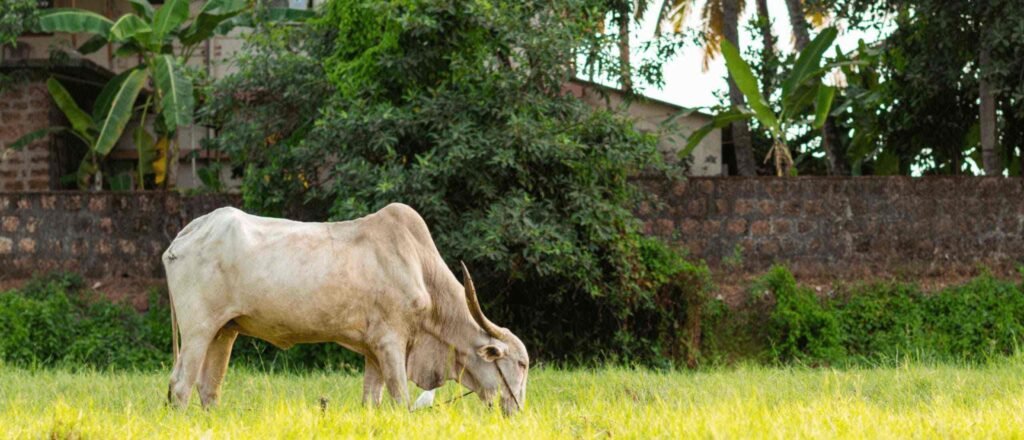
At Hosachiguru-managed farmlands, we deeply appreciate the intrinsic connection between cows and regenerative farming. Each managed farmland incorporates a desi gaushala where diverse desi/nati (Ongole & Hallikar) breeds of cattle are raised, contributing valuable organic matter that becomes a key ingredient in our natural formulations, like Jeevamrutham. Additionally, we utilize cow urine and cow dung to create preventive solutions for pest management, such as neem astra and agri astra.
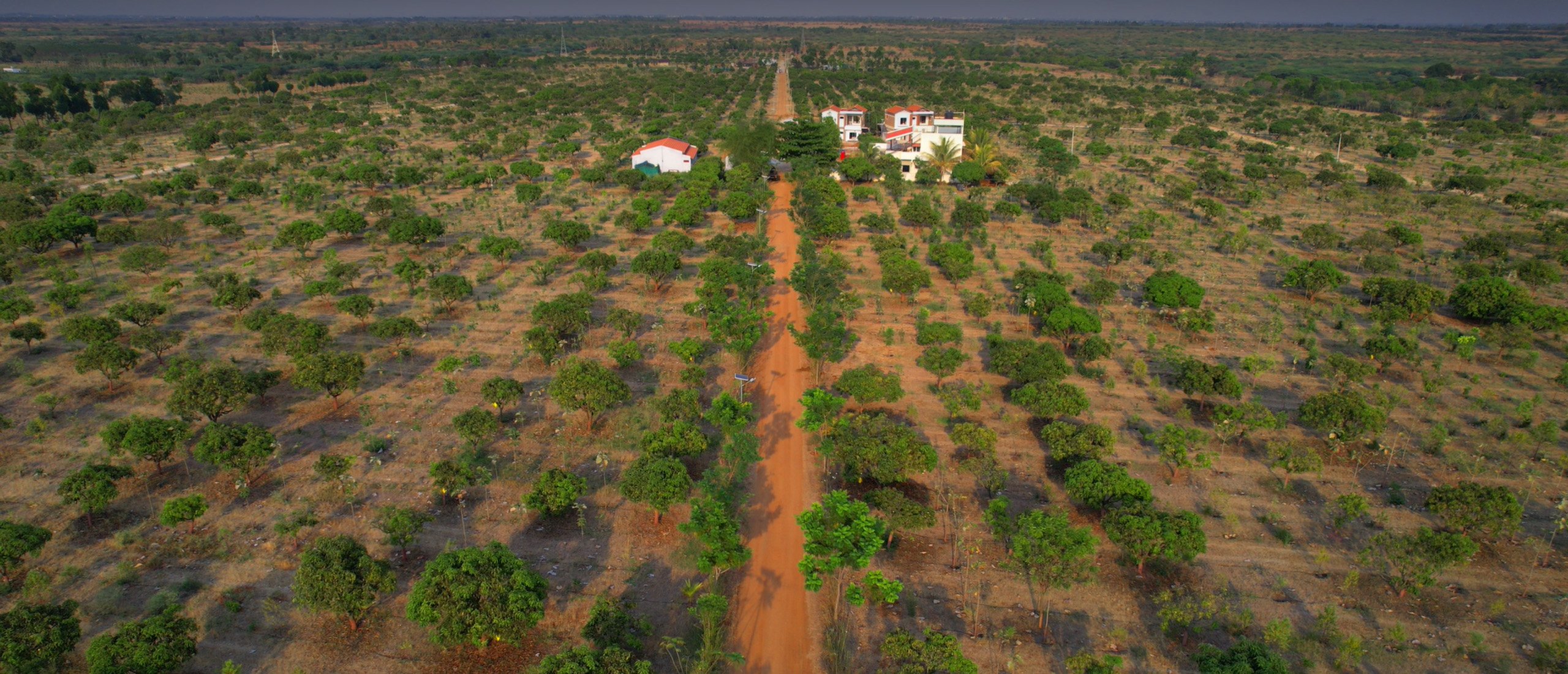
At our properties—Bristlecone, Eco-Habitat, Abhivruddhi, EOS, Kalipi, and Dhanvi Farms—we host over 40 Ongole breeds along with a few Hallikar breed cows, bulls, and calves. These animals embody our dedication to holistic and eco-friendly agriculture. Our farms feature timber plantations and food forests. Few of our farms incorporate a blend of both models. The above-mentioned cattle play a crucial role in our farming operations, forming an integral part of the ecosystem.
At Hosachiguru-managed farmlands, our farm supervisors and laborers are dedicated to guiding the desi cows to specific grazing areas within each project. Through our precise implementation of rotational grazing practices, we conduct farm operations aimed at enhancing soil quality and groundwater levels. This effort contributes to the cultivation of more nutritious food within our food forests and timber plantations, benefiting our co-farmers.
Conclusion
Effectively managed grasslands act as significant carbon sinks, storing carbon in roots and soil to reduce atmospheric CO2 levels. Grazing plants play a crucial role in cultivating strong root systems, vital for improving soil health. This effect is especially notable in regenerative grazing and farming methods that sustain continuous cover with perennial-based systems, preventing erosion and fostering soil restoration.
Also, the method of grazing and subsequent rest periods for grasslands creates pathways in the soil, thereby enhancing water infiltration and overall soil quality. This practice, known as rotational grazing, involves the sequential movement of animals across smaller pastures, optimizing both land utilization and nutrient intake.
Innovative approaches, like employing chickens to follow grazing animals, offer multifaceted advantages. Beyond managing fly and parasite populations, this strategy provides additional benefits such as soil aeration and even the distribution of manure.
Implementing these regenerative grazing techniques not only saves costs and time by reducing the need for prolonged animal feeding and human intervention but also contributes significantly to regenerative agriculture. Incorporating a diverse range of animal species into grazing patterns supports soil health and elevates plant diversity.
Ultimately, embracing regenerative agriculture strategies maximizes the nutritional potential of available land, enabling the production of healthier animals in smaller areas while fostering a more sustainable agricultural ecosystem.
Each conscious step we take towards responsible land stewardship and recognizing the intrinsic value of grazing lands is a stride towards safeguarding our planet’s health and ensuring a resilient, thriving future for all.
Join the movement today with Hosachiguru-managed farmlands towards the preservation and revitalization of grazing lands—our shared responsibility for a sustainable tomorrow starts now.