
Srinivas Abhilash
8 Minute Read
Introduction
On a farm, pests take many shapes and sizes, ranging from larger nuisances like bugs and caterpillars to tiny adversaries such as thrips and mites, not forgetting the unseen adversaries—viruses causing plant diseases. They all vie with us, humans, for the essentials plants need to thrive: food, shelter, and nutrients. Just as we seek the right nutrition for a healthy life, plants also crave the perfect balance of nutrients and soil conditions to maintain their vigor and well-being.
Too much stress in plants can open the door for pests. Factors like over-fertilization, erratic watering, and mineral imbalances can stress plants out, making it harder for them to manage important things like carbon dioxide, water, and nitrogen. Excess nitrogen, in particular, is like a magnet for aphids, causing an infestation that weakens the plants. And when there’s too much sugar in their roots, it’s like an ‘all-you-can-eat’ buffet for pests.
But fear not! Just as we boost our immune systems with healthy nutrient-dense foods, plants have their defense mechanisms too. Compost acts as their nutrient powerhouse, unlike synthetic fertilizers that are like taking a multivitamin – it’s not just about the big stuff; it’s the small, essential elements that count. Healthier plants have fortified immunity and are less likely to fall prey to pests.
Compost isn’t just about nutrition; it’s a treasure trove of nurturing helpful fungi crucial for plant health. These fungi create alliances with plants, fighting off harmful diseases and aiding in nutrient and water uptake. It’s like a win-win partnership!
Now, when addressing pest control in farming, pesticides often appear as a convenient solution. Yet, they upset the farm’s equilibrium by harming beneficial species and fostering an environment favorable to pests. Moreover, they disrupt the delicate balance of the soil’s microbiome.
Regenerative farming prioritizes strategic approaches like ecological pest management methods that focus on creating a diverse environment that promotes beneficial insect populations, employs trap crops, encourages biodiversity, and sets up barriers to controlling pests. By fostering such practices, regenerative farming maintains a diverse ecosystem while preserving the farm’s ecological balance.
Remember, there’s a whole toolbox of ways to manage pests effectively without reaching for pesticides. Companion planting, maintaining high soil fertility, and nurturing a bustling soil community can all contribute to a thriving, pest-resistant farm. Ultimately, it’s about creating harmony within the farm ecosystem, where pests aren’t the enemy but a part of the larger, balanced picture.
Plants, Soil Microbes, Tilling: Impact on Soil Health
Plants and microbes have a unique relationship that helps maintain balance in the environment. When plants do photosynthesis, they produce substances called exudates. These exudates, released by roots and other parts of the plant, contain various compounds like sugars, organic acids, and amino acids. These substances attract beneficial soil microbes, forming a symbiotic relationship. These microbes assist in breaking down organic matter in the soil, releasing essential nutrients that plants need for growth.
Root exudates serve several purposes. They aid in nutrient uptake by attracting helpful microbes that aid in solubilizing minerals, fixing nitrogen, and breaking down organic matter into forms that plants can absorb. Additionally, certain exudates contain compounds that defend plants against harmful pathogens, either by inhibiting their growth or promoting the growth of beneficial microbes that outcompete the harmful ones. Moreover, these exudates influence soil structure and microbial communities, impacting the overall health of the soil ecosystem by contributing to soil stability and water retention.
However, tilling the soil disrupts this delicate balance. It disturbs the thriving microbial communities living beneath the soil, which is akin to a natural disaster for them. Tilling brings these microbes to the surface, exposing them to sunlight and oxygen. While some survive and contribute to increased microbial activity, facilitating initial crop growth and yield, frequent tilling leads to a decline in soil organic matter. With each cycle, soil organic matter decreases, reducing microbial activity and transforming fertile soil into lifeless dirt. This decline is gradual but significant, as soil loses its organic richness and the ability to sustain life.
Degraded soil lacking organic richness and microbial activity makes plants highly susceptible to pests, diseases, and infections. The absence of a robust microbial network weakens soil immunity, leading to reliance on toxic pesticides. Unfortunately, these chemicals pose threats not only to pests but also to plants, soil microbiomes, and human health. This degradation fosters an environment for pest and disease proliferation, increasing reliance on harmful pesticides that adversely impact the ecosystem.
Nurturing soil microbes and organic matter helps manage farm pests. Healthy plants resist attacks, allowing ecological pest control, and benefiting the ecosystem.
Ecological Pest Management
Ecological pest management focuses on four primary objectives: boosting biodiversity, fostering a robust crop environment, minimizing disruptive pest interventions, and decreasing overall farm inputs. Achieving these goals involves employing environmentally friendly techniques such as biological control agents, natural predators, and organic pesticides.
The core aim is to effectively handle pests while mitigating harm to both the ecosystem and human health. By leaning on natural processes instead of relying heavily on synthetic chemicals, this approach sustains a healthier environment, ensuring a more balanced and sustainable farming system. Let us discuss this in detail
Biological Control
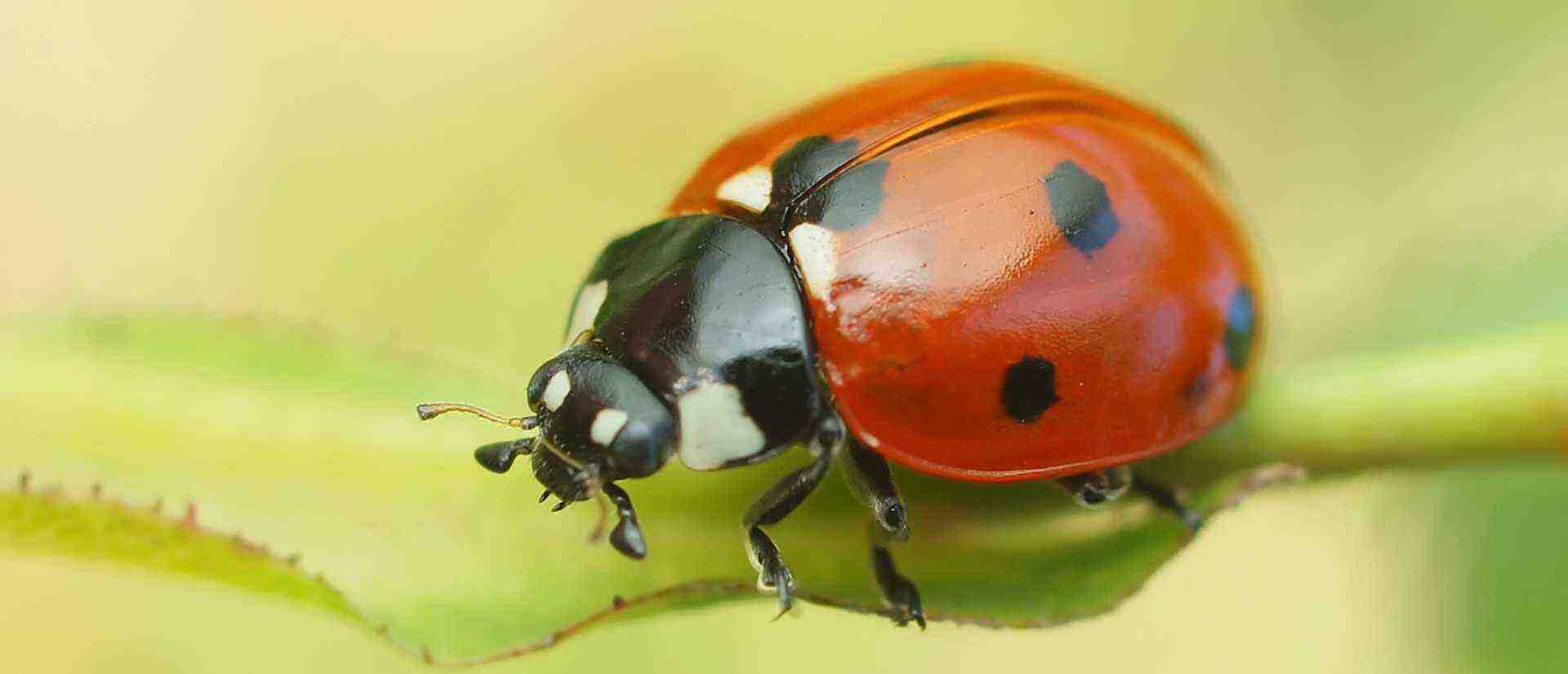
- Introduce natural enemies of pests, like predators, parasites, or pathogens, to control pest populations. For instance, ladybugs for aphids or nematodes for garden pests.
Crop Rotation and Diversity
- Rotate crops to disrupt pest life cycles and reduce their buildup in the soil. Plant diverse crops to create habitats for beneficial insects and reduce pest vulnerability.
Natural Predators
- Encourage the presence of natural predators like birds, bats, frogs, and predatory insects by providing habitats such as bird perches, houses, bat boxes, and ponds.
- Grow berry-producing plants that serve as a delectable treat for birds. Additionally, plant bushes and shrubs where birds can seek shelter and hide, offering them a haven while keeping an eye on insect prey.
Trap Crops
- Plant specific crops that attract pests away from main crops, acting as a sacrificial crop to protect the primary plants.
Physical Barriers and Traps
- Use barriers like nets, row covers, or screens to physically prevent pests from reaching crops. Sticky traps, pheromone traps, and light traps can also be effective. Border plants can act as a barrier, preventing wind-carrying pests from adjacent plots. For instance, planting casuarina trees along the farm borders can serve this purpose.
Natural Pesticides
- Utilize natural or organic pesticides derived from plants, bacteria, or minerals, such as neem oil, diatomaceous earth, or pyrethrin, which have a lower environmental impact than synthetic chemicals.
Companion Planting
- Plant certain species together to repel pests or attract beneficial insects.
- Marigolds can deter nematodes, and aromatic herbs can repel insects. Dill, parsley, cilantro, and basil make delicious companion plants. They repel pests and attract beneficial insects!
- Dill is also a host plant for monarch butterflies and a decoy plant for tomato hornworms. Grow dill! It attracts a ton of beneficial insects!
- Marigolds can deter nematodes, and aromatic herbs can repel insects. Dill, parsley, cilantro, and basil make delicious companion plants. They repel pests and attract beneficial insects!
Soil Health Improvement
- Ensure soil health by balancing nutrition, moisture, pH levels, and organic content. Healthy soil fortifies plants against pests. Enriched compost nurtures beneficial fungi, which outcompete diseases and form symbiotic connections with plants. This fungal network assists in nutrient absorption and boosts plant immunity. Robust plants from enriched soil repel pests, becoming less attractive to insects.
Pest Management Techniques in Organic, Natural, and
Regenerative Farming: Pros, Cons, and Limitations
| Pest Management Tactics | Description | Advantages | Disadvantages | Limitations |
| Crop Rotation | Alternating crops in a specific sequence | – Breaks pest life cycles | – Requires detailed planning | – Limited effectiveness against all pests |
| Polyculture | Planting different crops together | – Deters pest build-up | – Complexity in management | – May require more space |
| Natural Predators | Introducing predators to control the pest population | – Targets specific pests | – Predators may not control all pests | – Takes time for predator population to establish |
| Cover Crops | Growing specific crops to cover and protect soil | – Suppresses weed growth and pest habitat | – May compete for resources with the main crop | – Can be labor-intensive to manage |
| Companion Planting | Planting different plants together to benefit each other | – Deters pests and attracts beneficial insects | – Specific plant combinations needed | – Effectiveness can vary |
| Biological Control Agents | Introducing organisms to control pest populations | – Targets specific pests | – Needs specific environmental conditions | – May not completely eradicate pests |
| Soil Health Improvement | Enhancing soil fertility to improve plant health | – Resilient plants are less prone to pests | – Time-consuming process | – May not provide immediate results |
Photosynthesis for Pest Resistance
Enhancing photosynthesis in plants contributes to natural pest resistance by generating compounds that pests find unappealing, thus reducing their attraction to the plants. This increased photosynthetic activity also supports quicker recovery from pest attacks, minimizing the extent of damage inflicted on crops.
When plants undergo improved photosynthesis, they develop greater resilience against pest-induced stress, fortifying their ability to withstand harm and maintain healthier crop conditions overall.
Boosting Photosynthesis at Hosachiguru Farmlands: Strategies for Growth & Health
Ensuring a high standard of both quality and quantity in photosynthesis is essential to fortifying natural immunity and bolstering pest resistance in plants and trees. At Hosachiguru-managed farmlands, we employ various strategies to enhance photosynthesis in timber plants, diverse plant species, and trees thriving within our agroforests and food forests. Some of them are as follows:
- Optimize Light Exposure: We adopt the syntropic farming method to grow our food forests, which strategically involves planting in layers and areas with abundant light availability to ensure optimal sunlight exposure. Additionally, we selectively prune surrounding trees or structures that could potentially shade the plants excessively.
- Plant Diversity: We encourage a diverse range of native plant species within the food forest. Different species can have complementary growth patterns and nutrient requirements, which can enhance overall ecosystem health and productivity.
- Soil Health Management: We ensure soil health by employing techniques like dry and green mulching, composting, and utilizing natural fertilizers. Healthy soil, rich in essential nutrients, fosters vigorous plant growth and efficient photosynthesis. This, in turn, enables plants to manage diseases and pests adeptly, reducing reliance on external inputs.
- Water Management: We ensure adequate water availability through irrigation systems or by planting during appropriate seasons. Adequate water supply is essential for photosynthesis.
- Companion Planting: In our community vegetable and mandala gardens, we practice intercropping with nitrogen-fixing plants. This method enriches the soil with vital nitrogen, supporting plant growth and facilitating photosynthesis, essential for a thriving garden ecosystem.
- Pruning and Maintenance: Regular pruning serves to eliminate dead or diseased branches, facilitating improved light penetration and airflow throughout the agro and food forest. This practice promotes photosynthesis and strengthens plant and tree immunity, enabling them to better resist diseases and pests.
- Monitoring and Adjusting: Our committed farm staff, residing on-site, consistently oversee the health of plants, soil conditions, and growth patterns. They adapt their approach according to observed requirements, aiming to optimize the environment conducive to photosynthesis.
Pest Management Approaches at Hosachiguru Farms
- Practicing NoTill/Minimal Tillage: At Hosachiguru, we’re on a mission to keep our soil thriving and our plants flourishing! How? By following NoTill/Minimal Tillage across our projects, we preserve the bustling world of soil microbes and nurture those amazing plant connections. This way, our plants are all smiles and robust health.
- Prevention is better than cure: When it comes to pests and diseases, adopting a management approach proves more effective than mere control. Our arsenal of preventive measures includes a diverse range of traps designed to tackle pest populations by either physically restraining them or disrupting their ability to reproduce. We have solar light traps, sticky traps, fruit fly traps, and even strategically placed bird perches—a dynamic defense team at work!
- Preventive Sprays: Despite our best efforts, pest and disease challenges persist due to their sheer numbers and the seasonal overlaps influenced by ever-changing climates. But fear not! Our secret weapons come in the form of preventive sprays like Agniastra, Neemastra, and a vibrant array of plant-derived concoctions. These natural remedies serve as our frontline defenders against nature’s unpredictable curveballs!
- Use of Sulphur and copper as preventive measures: Copper and sulfur, the eco-friendly superheroes in organic and sustainable farming, are our go-to champions at Hosachiguru Managed Farmlands! Approved by the prestigious IFOAM and NPOP Standards, these mighty elements work wonders as both preventives and remedies, safeguarding our fields with their sustainable powers!
Conclusion
At Hosachiguru, we’ve worked hard to create a balanced environment where pests struggle to survive, and helpful insects thrive. We strongly believe in preventing pest problems rather than just reacting to them. Our methods focus on understanding nature and pest behavior to reduce reliance on harmful pesticides.
However, nature can sometimes throw unexpected challenges like irregular weather, unpredictable sunlight, or varying temperatures. These might affect our plans, even though we’ve set up effective pest control systems. While our strategies are designed to manage pests well, we understand that achieving perfect results isn’t always guaranteed due to these natural uncertainties.
Our approach is about being prepared and flexible. If unexpected issues arise, we’re ready with different tools and methods to handle them efficiently. We trust nature more than chemicals. At Hosachiguru, while we’ve created a good system to control pests, we stay adaptable and committed to learning from nature’s changes.