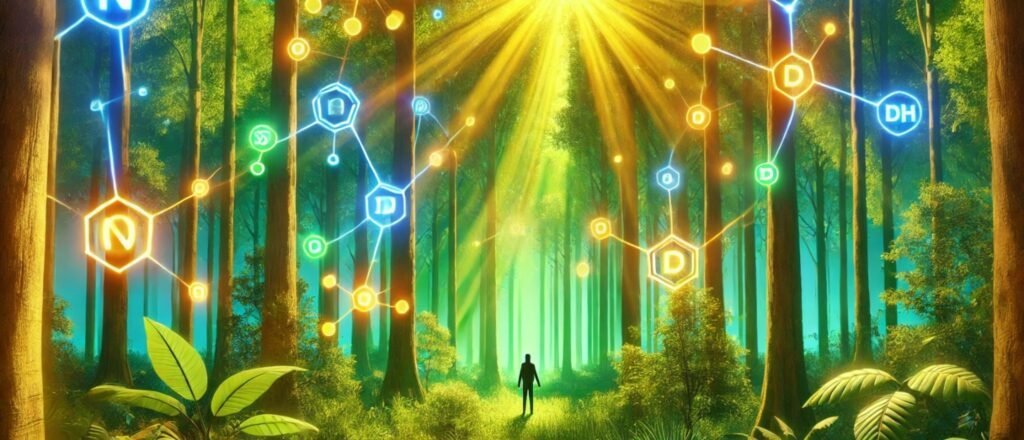
Have you ever wondered why a walk in the park leaves you feeling rejuvenated? Or noticed how the sound of birds chirping, or a flowing stream can instantly brighten your mood? There’s fascinating science behind nature’s profound impact on our mental well-being.
The magic lies in neurotransmitters—those essential chemical messengers in our brains that regulate mood, memory, and stress levels. Exposure to natural settings, like green parks, tranquil water bodies, and sunlight, encourages the release of these crucial chemicals, boosting our mental and physical health.
In this blog, we’ll explore how connection with nature can stimulate neurotransmitter production, leading to a healthier, happier you. Additionally, we will delve into the eight major neurotransmitters and understand their roles in enhancing our mental well-being. Join us as we dive into the science of nature’s remarkable influence on our brain chemistry.
1.Adrenaline
Humans, like all species, rely on the fight-or-flight response for survival, which involves rapid breathing, hyperventilation, and increased heart rate during danger. This response, driven by adrenaline, often results in symptoms like chest pain, butterflies in the stomach, dry mouth, nausea, trembling hands, sweaty palms, and overall weakness.
Interestingly, spending time in nature can significantly reduce cortisol levels, a primary stress hormone, and alleviate the psychological stress response. Nature activates the parasympathetic nervous system (PNS), which counteracts the fight-or-flight response triggered by the sympathetic nervous system (SNS).
Research supports this therapeutic effect. A study of 625 Japanese males across 57 forest and 57 urban sites showed an 80% increase in parasympathetic heart rate variability (HRV) in forest settings, indicating reduced stress.
Therefore, incorporating regular exposure to nature, such as walking in the park or hiking, can effectively manage adrenaline levels and improve mental health. Embracing these natural experiences can lead to a healthier, more balanced life.
2.GABA
Anxiety is often termed a modern plague, with the World Health Organization reporting a 25% surge in anxiety and depression disorders worldwide due to the COVID-19 pandemic. Reflecting on the past, our ancestors seemed less stressed than we are today. What were they doing differently? One possible answer is their use of aromatherapy, specifically the ancient practice of Hawan, for mental health.
Hawan involves burning special herbs in a fire made of medicinal woods, releasing vapors containing beneficial volatile oils. These vapors, inhaled through the nasal route, enter the central nervous system, aiding in mental detoxification. Both modern science and ancient texts recognize that nasal drug delivery is optimal for brain-related conditions, supporting the efficacy of practices like Hawan.
Anxiety disorders can manifest as irritability, fear, insomnia, nervousness, rapid heartbeat, concentration issues, poor coping skills, palpitations, sweating, agoraphobia, and social withdrawal. Ancient practices like Hawan aimed to achieve spiritual enlightenment, mental peace, and environmental purification. A key to their effectiveness is GABA, a major inhibitory neurotransmitter. GABA helps neurons recover after transmission, reduces anxiety and stress, and regulates noradrenaline, adrenaline, dopamine, and serotonin, acting as the brain’s “braking system.”
3.Noradrenaline
Noradrenaline is vital for brain functions like wakefulness, memory, and mental clarity, helping the brain respond effectively to challenges. However, modern lifestyles have us spending about 90% of our time indoors, increasing our exposure to carbon dioxide (CO2). Poor ventilation and high population density cause CO2 levels to exceed 1000ppm, negatively impacting cognitive performance.
High indoor CO2 levels lead to decreased satisfaction, more health issues, slower work pace, and increased absenteeism. They also impair cognitive functions such as decision-making and attention span. A simple solution is to spend more time outdoors, especially around trees, which provide oxygen-rich air. This reduces CO2 buildup and enhances brain function by improving cellular respiration and energy production, resulting in better concentration and mental clarity.
Incorporating outdoor time into daily routines can mitigate the negative impacts of indoor lifestyles. Spending time in nature not only provides fresh air and reduces CO2 exposure but also can lead to improved mental health, increased productivity, and a more balanced, healthy life. Embracing nature’s healing power fosters a holistic sense of well-being, counteracting the strain of modern indoor living.
4.Acetylcholine
Acetylcholine, a crucial neurotransmitter, plays a vital role in learning, memory, and attention. It is essential for synaptic plasticity, which underpins learning and memory formation. However, acetylcholine levels decline with age, leading to cognitive changes like reduced memory and attention. Early life experiences greatly impact mental health, with stimulating environments enhancing brain function and memory performance in children.
Living in green spaces and natural light benefits brain function. Research shows children in enriched environments have better memory than those in poorer conditions. Physical exercise in green spaces is particularly beneficial, improving mental well-being more than indoor exercise. Outdoor activities boost feelings of revitalization and energy while reducing tension, anger, and depression.
For adults, especially the elderly, regular outdoor exercise can mitigate cognitive decline. The combination of physical activity and nature exposure enhances brain function and mental well-being. Additionally, outdoor exercise improves cardiovascular health, strengthens muscles and bones, and promotes overall fitness.
5.Dopamine
Dopamine, known as the “feel-good” neurotransmitter, plays a crucial role in reward, motivation, memory, attention, and body movement regulation. Natural sounds, like rustling leaves, flowing streams, and chirping birds, have a restorative effect on mental health and can enhance dopamine production.
Chronic stress depletes dopamine levels, as cortisol, the stress hormone, inhibits its production. However, exposure to natural sounds can significantly reduce cortisol levels. A study in Scientific Reports found that participants listening to natural sounds had lower cortisol levels and increased parasympathetic nervous system activity, promoting relaxation and normal dopamine production.
Natural sounds also directly stimulate the brain’s dopaminergic pathways. Research from the University of Sussex showed that listening to these sounds activated the brain’s default mode network (DMN), linked to restful introspection and reward, thereby increasing dopamine release and enhancing relaxation and contentment.
Incorporating natural sounds into daily life can counteract the noise of modern environments. Use apps or recordings of natural soundscapes at home, make regular visits to parks or forests, and engage in mindful activities like hiking or birdwatching. These practices not only provide beneficial sounds but also promote mindfulness, relaxation, and overall mental well-being.
6.Glutamate
Glutamate, the brain’s most abundant excitatory neurotransmitter, is crucial for neural signal transmission and the formation of neural circuits during brain development. It also plays a significant role in synaptic plasticity and long-term potentiation (LTP), which are essential for learning and memory. Interestingly, our environment, especially the colors we see, can influence glutamate levels and cognitive functions.
Colors profoundly affect our emotions, mood, and brain functions. This concept, known as “color psychology,” helps explain why we feel calmer and more focused when surrounded by blue and green hues. Research shows that blue environments can reduce anxiety and improve cognitive performance in tasks requiring sustained attention. Blue, reminiscent of the sky and water, has universally soothing qualities. “Skychology,” a theory that suggests gazing at the sky can improve one’s mindset, supports the calming effect of blue.
Bright yellows and oranges, like those found in sunflowers and marigolds, evoke joy, energy, and optimism. These warm hues can lift spirits and promote a cheerful atmosphere. Delicate pinks and vibrant reds, seen in cherry blossoms and flamingos, encourage emotional balance and serenity.
To harness these benefits, immerse yourself in natural colors. Spending time by water or gazing at the sky can reduce anxiety. Visiting green spaces like parks and forests can alleviate stress. Incorporating yellow and orange elements into your surroundings can boost your mood and energy levels. Engaging with pinks and reds can enhance emotional well-being.
Calmness enhances cognitive function, enabling better analysis and reaction compared to stressful states. Strategic use of colors in your environment can reduce stress and boost cognitive functions. By leveraging color psychology, you can create spaces that promote mental well-being and cognitive health.
7.Serotonin
Serotonin, often called the “happy hormone,” is crucial for regulating mood and maintaining mental health. Interestingly, about 95% of the body’s serotonin is produced in the gut, where it functions as both a paracrine messenger and neurotransmitter, underscoring the importance of gut health for overall well-being.
Did you know that gut bacteria can communicate with the brain and influence energy levels? Therefore, consuming fresh, organically grown food is vital for a healthy gut, which in turn boosts serotonin production, enhancing mood and energy.
Another significant contributor to serotonin production is sunlight. Reduced sunlight exposure during fall and winter can lead to Seasonal Affective Disorder (SAD), characterized by tiredness and sleepiness due to lower serotonin levels. Sunlight stimulates serotonin production in the skin, aligning with our daily cycle of serotonin linked to bright light exposure, keeping us awake and alert.
A study by Benedetti and colleagues found that mental health patients in sunnier rooms had shorter hospital stays, highlighting the importance of sunlight in boosting serotonin and improving mental health. This is particularly relevant given the global mental health crisis, with nearly one billion people affected and a 25% increase in depression and anxiety.
To naturally boost serotonin production, consider these practices:
Eat Organically Grown Food: Fresh, organic foods support gut bacteria, which aids serotonin production.
Bask in Early Morning Sunlight: Exposure to early morning sunlight provides Vitamin D and enhances serotonin production.
Incorporating these practices into your daily routine can support mental well-being and elevate your mood through natural serotonin production. Embrace a healthy diet and sunlight exposure to promote a happier, healthier life.
8.Endorphins
Endorphins, hormones released in response to pain and stress, originate within the body and act like morphine to block pain signals in the brain. Because we naturally seek to avoid pain, we gravitate towards activities that boost endorphin production, making us feel good.
Exercise is a simple and effective way to increase endorphin levels. Physical activity stimulates the brain’s release of these feel-good neurotransmitters, enhancing mood and happiness. Exercising in natural environments further amplifies these benefits. Nature’s stress-reducing effects lower cortisol levels, the hormone linked to stress.
Studies show that urban dwellers experience higher chronic stress levels than those in natural surroundings. Natural environments, with their beauty and tranquility, foster calmness and contentment. Additionally, outdoor exercise offers cleaner air, as trees and plants absorb carbon dioxide and release oxygen, improving air quality.
By exercising outdoors, we harness the dual benefits of physical activity and nature, leading to a healthier, happier life.
Conclusion:
Nature profoundly impacts neurotransmitter production, enhancing our mental and physical well-being. Elements like sunlight, natural sounds, and green spaces boost crucial neurotransmitters such as serotonin, dopamine, and endorphins, leading to improved mood, reduced stress, and better cognitive function.
Managed farmlands offer an effective solution, providing fresh, organic food that supports gut health and serotonin production while offering serene environments for physical activity and relaxation.
By incorporating natural elements and sustainable farming practices into our lives, we can foster a healthier and happier community.