Introduction
In our quest to tackle climate change and protect Earth’s diverse life, global forests are key. Walking through a forest, you’re surrounded by biomass—leaves, stems, birds, insects, etc. But a lot of it is in the wood of trees, and here’s why that’s important: about half of it is carbon.
Why does carbon matter? Well, trees act like sponges, sucking up carbon dioxide as they grow and storing it in their biomass. This stored carbon helps fight climate change. Looking after forests is crucial, not just for nature but because they’re like massive carbon vaults.
Significant amounts of carbon are stored in the biomass of plants and trees. Actively growing numerous trees, routinely trimming them, and repurposing the cut pieces as mulch effectively locks carbon into the soil. The more we engage in this practice, the deeper carbon can be sequestered. This not only benefits soil health but also creates a moist, favorable environment for microorganisms. Increasing carbon levels improves soil quality, producing more nutritious food from our plants and trees.
Yet, there’s more to the story. Biomass roots delve into the soil, connecting with the essence of Earth. Soils, often overlooked, cradle carbon and provide essential services.
Our soils face considerable pressure in our fast-paced world, where the demand for more food on less land intensifies. Approximately a third of global land is already degraded, requiring urgent attention. However, biomass stands as a promising solution.
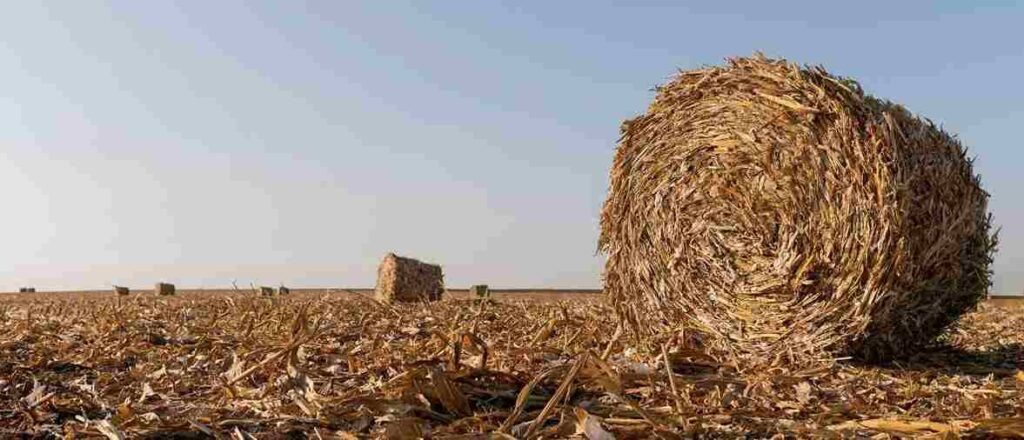
Instead of burning stubble (leftover biomass after the harvest) in Punjab, farmers can enrich the soil by returning it to the land. This approach fights air pollution, enhances soil biodiversity, and fosters a sustainable synergy between nature and agriculture. Implementing practices like mulching preserves nutrients, promotes soil fertility, and mitigates the environmental impact, offering a win-win solution for both farmers and the ecosystem.
So, biomass goes beyond just trees; it’s a win-win. By storing more carbon, improving soil, and using less water, it helps create a healthier, more sustainable world.
Types of Biomass Plants
Leguminous
- Plants like pigeon peas, red gram, and Sesbania grandiflora fix nitrogen, and enhance soil fertility.
- We at Hosachiguru actively promote the cultivation of leguminous crops, transforming previously vacant land into thriving fields with Groundnut, Red Gram, and Susbania grandiflora trees.
- While there’s a common misconception that only leguminous plants fix nitrogen, the reality is that all plants in nature can do so. The presence of nodules in leguminous plants is visible evidence of this natural nitrogen-fixing process, emphasizing the principle that “seeing is believing.”
- Hosachiguru’s approach showcases the potential of sustainable agriculture through diversified planting, promoting ecological balance and nutrient enrichment in the soil.
- Plants like pigeon peas, red gram, and Sesbania grandiflora fix nitrogen, and enhance soil fertility.
Grasses and Grains
- Crops such as all types of millets, local native grasses, and vetiver offer excellent mulching properties, preventing soil erosion and retaining moisture.
- Hosachiguru effectively addresses soil erosion by strategically planting grass species in low-lying areas and near water bodies.
- These grasses, with their fibrous root systems, firmly anchor the top layer of soil, permitting only water to pass through.
- This approach serves as a natural and practical method to mitigate soil erosion, ensure the preservation of vital topsoil, and foster sustainable land management practices.
Woody Biomass
- Trees like willow and poplar provide long-lasting mulch, aiding in carbon sequestration and creating a microclimate for soil organisms.
- To address the persistent challenges of floods and droughts, we at Hosachiguru strategically plant wood and forest species like drumstick and Albizia.
- These trees are strategically placed between existing plants or along avenues, providing long-term solutions to mitigate the impacts of extreme weather conditions.
- This approach not only enhances environmental resilience but also contributes to the overall sustainability of the landscape.
- Trees like willow and poplar provide long-lasting mulch, aiding in carbon sequestration and creating a microclimate for soil organisms.
Biomass Mulch: Nourishing Micro and Macro Ecosystems
Biomass, in the form of mulch, serves as both food and shelter for macro and microorganisms in the soil. Mulch is a layer of organic or inorganic material spread over the soil surface, and when it’s organic (such as plant residues), it contributes significantly to the soil ecosystem.
Food for Microorganisms
- Decomposition: As organic mulch breaks down, it provides a continuous source of organic matter. Microorganisms like bacteria and fungi feed on this organic matter, breaking it down into simpler compounds. For example, fallen leaves or crop residues in mulch release carbon compounds during decomposition, serving as a food source for microorganisms.
- Nutrient Cycling: Mulch contributes to nutrient cycling in the soil. As microorganisms decompose organic matter, they release essential nutrients like nitrogen, phosphorus, and potassium, making them available for plants. This nutrient cycling enhances the overall fertility of the soil.
Shelter for Microorganisms
- Microbial Habitats: Mulch creates a favorable environment for microorganisms by providing a protective cover. The layer of mulch shields microorganisms from extreme temperatures, helping to maintain a more stable and hospitable habitat.
- Moisture Retention: Mulch helps retain soil moisture by preventing evaporation. This moisture-retaining environment benefits microorganisms that thrive in a well-hydrated setting.
Food and Shelter for Macroorganisms
- Macroinvertebrates: Larger organisms, such as earthworms and beetles, find both food and shelter in mulch. They feed on the decaying organic matter in mulch, contributing to the decomposition process. Additionally, the mulch layer provides a protective cover for these microorganisms, shielding them from predators and harsh environmental conditions.
- Root Systems: Mulch serves as a protective layer for plant roots, offering them a suitable environment for growth. This protective barrier can attract beneficial soil-dwelling organisms, like mycorrhizal fungi, which form symbiotic relationships with plant roots.
Integrating Biomass into Food Forests: A Permaculture Approach
Principles of Permaculture Ethics
Permaculture, a sustainable agricultural design, emphasizes three core ethics: Earth Care, People Care, and Fair Share. Biomass cultivation aligns seamlessly with these principles by nurturing the earth, benefiting communities, and ensuring equitable resource distribution.
Food Forest and Biomass
- Companion Planting: Intercropping biomass plants amidst tall, emergent trees fosters a mutually beneficial relationship. The biomass plants, when chopped and dropped regularly, enrich the soil, while the taller trees provide shade and support which maintains the microclimate for microorganisms.
- Over the past year, Hosachiguru has embraced companion planting, strategically adding trees, shrubs, and grasses among existing timber species. This aligns with Syntropic farming principles, enhancing ecosystem harmony for increased productivity and sustainability. Inspired by nature, we’re committed to evolving and innovating in agricultural practices.
- Mulching Techniques: Proper and timely mulching with biomass materials suppresses weed growth, conserves moisture, and regulates soil temperature, promoting a healthy ecosystem.
- At Hosachiguru, mulching is pivotal in preserving moisture around the root zone, creating optimal conditions for plant growth. This practice establishes a favorable microclimate, diminishing the necessity for frequent irrigation. Consequently, it aids in reducing water consumption, thereby lessening our water footprint and lowering maintenance costs.
Choosing the Right Biomass Plants: Factors to Consider
Soil Composition
- Different biomass plants thrive in varying soil conditions. Understanding your soil’s composition – whether clayey, sandy, or loamy – aids in selecting suitable plant species.
- Sandy Soil: Switchgrass (Panicum virgatum), Miscanthus (Miscanthus sinensis), Sweet Potato (Ipomoea batatas)
- Clay Soil: Willow (Salix spp.), Silver Maple (Acer saccharinum), Reed Canarygrass (Phalaris arundinacea)
- Loamy Soil: Giant Miscanthus (Miscanthus x giganteus), Alfalfa (Medicago sativa), Sunflower (Helianthus annuus)
Geography, Climate, and Water Availability
- Geographical Considerations: Regions with diverse climates require adaptive biomass species. Heat-tolerant plants like sunn hemp are ideal for tropical climates, whereas cold-resistant species such as winter rye suit temperate zones.
Water Availability
- Drought-resistant biomass plants like legumes and agave are perfect choices for water-scarce areas, ensuring sustainable cultivation practices.
Benefits of Biomass in Regenerative Agriculture
a.Soil Rejuvenation
- Biomass mulching enhances soil structure, promoting aeration and drainage. The decomposing organic matter enriches the soil’s microbial life, fostering a thriving ecosystem.
- At Hosachiguru, we prioritize the utmost care for “The Soil” and its rejuvenation. Ground cover plays a significant role in our farm projects, primarily managed by weeds or various green manuring crops.
- On our farm, special attention is given to the green manure or grasses that grow just above the ground level.
- We ensure that they are cut at the collar region, while also taking care to keep the root system intact below ground level. This meticulous approach reflects our commitment to maintaining the health and vitality of the soil on our farms.
b.Reduced Input Costs and Pest Management
- By reducing the need for artificial fertilizers and pesticides, biomass plants offer a cost-effective and natural solution. They act as a barrier against pests and diseases, ensuring the health of the food forest.
- Our primary objective is the in-house production of the majority of fertilizers and pesticides. We rely on locally sourced inputs such as Desi cow dung, cow urine, and various plant parts as significant components in the production of these essential inputs.
Conclusion
Embracing the beauty of biomass is not just a choice but a necessity for those seeking to adopt and adapt to regenerative farming practices. The significance of biomass extends far beyond its role in carbon sequestration; it serves as the cornerstone of a thriving soil ecosystem. By actively incorporating biomass, we cover the soil, enhance fertility, and provide a rich environment for macro and microorganisms that form the foundation of the soil food web. This, in turn, amplifies the growth of plants, yielding nutritious crops while concurrently reducing input costs and promoting pest management.
Biomass plants are integral to Syntropic and Regenerative farming, embodying a sustainable approach that we proudly champion at Hosachiguru-managed farmlands. As we harness the power of biomass across our projects, we not only rejuvenate the soil but also contribute to the global movement toward a more sustainable and resilient agricultural future.
Join us in this transformative journey, where the beauty of biomass becomes a guiding lighthouse leading us towards a regenerative and harmonious coexistence with the land.