
Author Name: Anmol Agarwal
Read Time: 5 mins
Fruits and vegetables are a bad thing said nobody ever.
Food is more than sustenance; it’s a reflection of culture, tradition, love, family, and healing. It nourishes not only the body but also the mind and soul, connecting us deeply with nature. From a planted seed to the sun and rain that nurture it, food reaches our plates, becoming part of us as it enters our bloodstream. Eventually, it returns to the earth, completing a beautiful, harmonious cycle.
Food also brings people together. We bond over meals, seal deals, pass down traditions, celebrate holidays, and bridge cultures through shared cuisine.
At Hosachiguru’s managed farmlands, every step honors the natural food cycle. The soil is enriched organically, and no pesticides are used, ensuring pure nourishment for body and soul. Each meal reflects nature’s abundance, fostering wellness, family bonds, and a sustainable future.
Skip the Pills: Discover the Healing Power of Plant-Based Diet
As Heather Morgan said, “Every time you eat or drink, you are either feeding disease or fighting it.”
When we experience pain, the typical response is to reach for medication that temporarily dulls the discomfort. But how effective is this approach in the long term? Excessive use of medications can lead to liver damage since the liver is responsible for breaking down substances in our body. For some, this process is slower, increasing the risk of liver injury. Even with normal liver function, small doses of certain drugs can cause harm, while large doses may severely affect a healthy liver.
Next time you’re dealing with pain or health issues, consider blending greens, fruits, and vegetables. This simple green smoothie could offer you a boost of energy, mental clarity, and a sense of well-being that medication may not provide. Over time, these nutrient-rich foods can help foster a new vitality within you.
Scientific research strongly supports the benefits of a whole-food, plant-based diet, demonstrating that it:
- Promotes optimal health and reduces the risk of chronic diseases
- Strengthens cells, organs, and bodily functions
- Enhances physical performance and energy levels
- Lowers cholesterol and blood pressure naturally, without medications
- Alleviates non-specific complaints, such as digestive issues, headaches, and joint pain
These benefits are frequently observed in “Blue Zones,” regions where people live notably long and healthy lives. These five areas—Okinawa (Japan), Sardinia (Italy), Nicoya Peninsula (Costa Rica), Ikaria (Greece), and Loma Linda (California, USA)—share lifestyle habits that contribute to longevity, including:
- A diet rich in plant-based foods
- Moderate calorie intake
- Low tobacco and alcohol use
- Consistent physical activity
- Strong community connections
Embracing these principles can lead to a life brimming with health, energy, and fulfillment. Through small, intentional changes in our diet and lifestyle, we can move closer to the well-being and longevity enjoyed by these remarkable regions.
The Hidden Cost Of Animal Based Diets: Health & Humanity
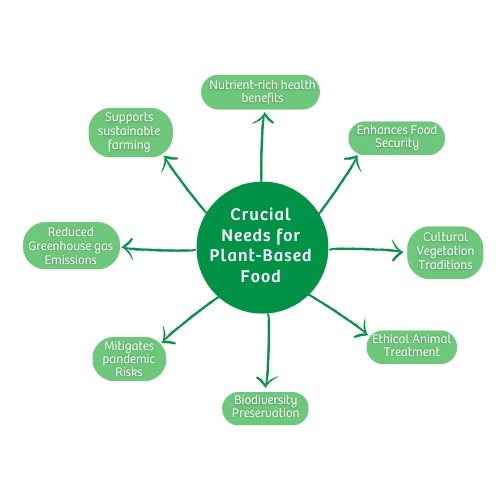
In 2015, the World Health Organization classified processed meats as a Group 1 carcinogen, placing them in the same category as cigarettes due to their cancer risk. This growing awareness among consumers about the foods they consume, along with the harmful effects of conventional farming practices on animals and the environment, has sparked change. Every year, over 80 billion animals are killed to meet demands for food and lifestyle products—a rate that is unsustainable. By reducing consumption of animal-based foods, we alleviate the strain on natural habitats and preserve the species that depend on them.
According to a United Nations report, 60% of infectious diseases affecting humans, and 75% of newly emerging ones, originate from animals. Increasing our intake of plant-based foods can help mitigate the risk of pandemic outbreaks by reducing our contact with animal-borne pathogens.
Shifting to a plant-based diet can also lead to a sense of inner calm and alignment with our core human values. Compassion and kindness are natural human instincts; when we see others—whether human or animal—in distress, our first impulse is to help. However, when we consume animals that once lived and felt, we may inadvertently absorb the stress and pain these creatures experienced, as their energy becomes part of our bodies. Such energies, rooted in fear and suffering, can subtly affect our well-being.
So, as you sit down for your next meal, pause to consider what you’re inviting into your body. This daily choice not only influences your physical health but also shapes your ability to connect with and care for those around you. The food we consume has a profound impact on our health and on the strength of our compassion, reminding us that mindful choices go beyond ourselves to impact the world around us.
In our managed farmlands animals are more than part of the scenery—they’re treasured companions who add balance and vitality to our farmlands. Our welcoming gaushalas nurture cows with love, while friendly dogs and vibrant birdlife enrich our co-farming community. Each animal plays a key role in sustaining the ecosystem, not as resources but as valued partners in nurturing biodiversity. Here, people and animals thrive together, fostering a space filled with respect, joy, and the uplifting spirit of harmonious living with nature.
Conclusion
A plant-based diet is nothing short of a powerful elixir, one with the potential to prevent—and even reverse—many chronic diseases. Imagine a solution to the healthcare crisis, one that embodies compassion, sparing billions of animals from suffering each year. It’s a choice that could help feed the world’s hunger, foster peace, community, and kindness. This natural remedy is abundant, free, and accessible to nearly everyone—a rare common ground shared by all life on Earth.
Embracing a plant-based lifestyle is one of the strongest steps we can take for a healthier, more compassionate, and sustainable future for our planet.
Choose veggies now, your body and Earth will thank you later!
Author: Anmol Agarwal
Read Time: 5 mins
Nature: The Ultimate Cure for Mental Health
What if the key to easing your mind was right outside your door? Imagine how different life might feel if we all took more time to simply be in nature—away from screens, to-do lists, and the pressures of daily life. Could nature be the missing piece in our pursuit of mental well-being?
On this World Mental Health Day, it’s time to shift the conversation about mental health and focus on an often-overlooked remedy: nature. Mental health isn’t about treating a disease with medication; it’s a continuous journey, and one of the most powerful ways to support your mental well-being is by immersing yourself in nature.
Technology: A Double-Edged Sword
We live in a world dominated by technology. From smartphones to laptops, we are more connected than ever. But as much as technology has revolutionized our lives, it has also distanced us from the natural world. Research shows that the average person spends over 7 hours a day in front of screens and less than 30 minutes outdoors.
While technology gives us unprecedented convenience, it also brings an overload of stress. Multi-tasking between apps, notifications, and emails might feel productive, but it can waste up to 40% of productive time. Constant multitasking is also linked to higher stress levels, errors, and even behavioral addiction.
With so much technology vying for our attention, it’s no surprise that mental health issues are on the rise. In fact, 1 in 8 people worldwide suffer from mental health disorders, totaling about 970 million people globally. And even if you’re not diagnosed with a mental illness, chances are you’ve experienced mental strain at some point in your life.
Nature as a Mental Health Saviour
When you immerse yourself in nature, whether through hiking, gardening, or simply walking in a park, you give your mind a chance to reset. Research indicates that dedicating merely two hours weekly to outdoor activities can greatly enhance both mental and physical well-being. You’ll start noticing small but profound changes—a clearer mind, reduced anxiety, and a stronger sense of connection to the world around you.
On the first day of your nature retreat, you might still feel the adrenaline of your busy life. But by day two or three, the sounds, smells, and sights of the natural world start to capture your attention. Your senses recalibrate, and soon, you begin to feel a part of nature rather than separate from it. This connection with the natural world fosters a deep sense of peace and clarity that modern life often lacks.
Physical and Psychological Benefits of Nature
We know physical activity is crucial for maintaining good mental health. Exercise releases endorphins, which naturally boost your mood. But did you know that being active outdoors can amplify these effects? Outdoor activities like hiking, cycling, or even taking a daily walk are excellent ways to improve your cardiovascular health and serotonin levels, which directly combat depression and anxiety.
Studies have shown that exposure to sunlight increases serotonin production, a neurotransmitter that helps reduce feelings of anxiety and depression. Even if you don’t suffer from a mental health disorder, spending time outside can significantly improve your mood. According to the World Health Organization, regular physical activity could reduce the risk of depression by 25%.
Hosachiguru: A Holistic Approach to Mental Well-being
At Hosachiguru managed farmlands, we believe that reconnecting with nature is key to achieving mental well-being. Our sustainable farmlands offer individuals and families the opportunity to engage with nature in meaningful ways—whether it’s planting trees, playing with soil, or simply soaking in the tranquil environment of our managed farmlands.
By cultivating a bond with nature, we promote a healthier, more balanced lifestyle that directly supports mental well-being. The concept of ‘mindful farming’ not only nurtures the earth but also nurtures your soul. Whether you’re planting a tree or walking through our green landscapes, the physical and mental benefits are profound.
We also regularly conduct “Touch With Nature” program that invites Co-Farmers to reconnect with nature through engaging, hands-on experiences. Participants can immerse themselves in activities like vermicomposting and seedball preparation, learning sustainable farming techniques while working directly with the soil. They also have the opportunity to interact with farm pets, fostering a deeper bond with the animals. Additionally, a therapeutic nature walk allows for peaceful reflection, providing a serene escape into nature’s beauty.
We encourage people to get their hands in the soil, plant a native species, and foster a deeper connection with the earth. This simple act of engaging with nature offers an escape from the pressures of daily life and promotes relaxation, peace, and clarity.
Developmental Benefits for Children
Children, too, reap immense benefits from interacting with nature. When they engage with natural surroundings, they develop crucial motor skills, balance, and coordination. Playing outdoors helps children ask more questions, enhancing their speech and cognitive abilities. In fact, research from the University of Wisconsin shows that students who participate in outdoor education see improvements in standardised test scores, classroom engagement, and attendance.
When children are taught outside, they become more independent, confident, and creative. And most importantly, they learn about their own capabilities and develop a strong connection with the world around them—a crucial aspect of their mental and emotional development.
Social Benefits of Nature
Human beings are social creatures, and our mental health thrives on connections with others. Spending time can help strengthen those connections. Activities like community gardening not only provide physical benefits but also offer opportunities to socialise and bond with others.
For senior citizens, especially those living alone, community gardens are a fantastic way to get outside, socialise, and engage in meaningful activities. This social interaction improves both physical and mental health, reducing feelings of loneliness and isolation.
Soil: Nature’s Antidepressant
Believe it or not, soil contains natural antidepressant qualities. Microbes found in soil have been shown to have similar effects on the brain as antidepressants—without any chemical dependency. When we garden or simply play in the dirt, we stir up these microbes, which release mood-boosting chemicals.
A study conducted by the University of Florida found that gardening not only lowered depression and anxiety in people with existing medical conditions but also boosted mental well-being in healthy individuals.
Simple Steps for Better Mental Health
If you’re looking for simple ways to improve your mental health, start by making nature a part of your daily routine. Here are a few easy tips:
Spend more time outdoors: A 30-minute walk in the park can work wonders for your mood.
Build meaningful connections: Invest time in relationships with people who lift you up.
Slow down: Pause to appreciate the beauty around you.
Try a new activity: From gardening to hiking, explore activities that connect you with nature.
Practice gratitude: Take time to reflect on the things in your life that bring you joy, especially when you’re in a natural setting.
Conclusion: Let Nature Heal You
Mental health isn’t just something that can be fixed with a pill. It’s an ongoing journey that requires care, attention, and balance. And one of the best ways to support that journey is to spend more time in nature.
At Hosachiguru managed farmlands, we embrace the healing power of nature. Through mindful farming and reconnecting with the earth, we promote mental well-being and a balanced lifestyle. So, take a step outside, plant a tree, or visit our farmlands to experience nature’s curative force firsthand.
As the old saying goes: “Out of the nature habit comes a happy life.” Let this World Mental Health Day be your invitation to step outside, breathe in the fresh air, and rediscover your connection to the natural world. You’ll be surprised at just how much better you’ll feel.
Author: Anmol Agarwal
Read Time: 4 mins
“A healthy planet is the foundation of human health; when nature thrives, so do we.”
One of the most crucial realizations for us as humans is that we are an integral part of nature, not separate from it. Today, air pollution stands as one of the most pressing environmental challenges we face. In 2019 alone, outdoor air pollution was responsible for an estimated 4.2 million premature deaths globally.
So, on this Environmental Health Day, how can we change our actions to not only care for the planet but also improve our own well-being?
Regenerative Agriculture: The Key to Building Climate Resilience and Healthy Soil
Agriculture forms the backbone of our existence, and the way we cultivate the land has the power to reshape life on Earth. It’s more than just growing plantations; it’s about transforming landscapes and the very essence of life.
In Hosachiguru managed farmlands, we embrace a holistic approach that goes beyond simply sustaining the soil. Our focus is on regeneration—revitalizing the land through practices that enrich soil health, boost biodiversity, and strengthen the resilience of ecosystems.
Today, 33% of the Earth’s soil is degraded due to factors like erosion, compaction, acidification, and nutrient depletion. Regenerative farming addresses this crisis by focusing on building and maintaining healthy, resilient soil. By adopting regenerative practices such as mulching, no-till farming, planting biomass, installing swales and trenches, using Jeevaamrutam, and cultivating diverse plantations, we minimize soil disturbance, enhance its structure, improve water retention, and foster the growth of beneficial microorganisms. These methods not only support plant health but also play a vital role in building climate resilience.
Through carbon sequestration, regenerative agriculture helps mitigate climate change by reducing greenhouse gas emissions and improving soil’s ability to withstand extreme weather conditions like droughts and floods.
Healthy soil forms the foundation for protecting our food supply, purifying our air and water, boosting our immune systems, and even serving as a source of essential medicines.
Rewriting Our Story: Embracing Nature with Respect and Regeneration
Our internal and external worlds are woven with stories, shaping the way we engage with the world. Yet, humans are trapped in a narrative of superiority, viewing ourselves above nature, treating animals as mindless tools, and exploiting natural resources for urban expansion. We’ve claimed dominion over the Earth, but the recent catastrophes of 2024 remind us that our planet—our mother—demands respect.
In 2024, India faced extreme heatwaves, with temperatures exceeding 45°C (113°F) in some regions. States like Maharashtra, Assam, and Kerala endured severe flooding due to heavy monsoons and cyclones, while cities such as Delhi and Mumbai grappled with severe air pollution, worsened by industrial emissions, vehicle exhaust, and changing climate conditions.
These events make it clear: it’s time to rewrite our story with nature. A story of respect and regeneration. In a clean, healthy environment, our bodies and souls find sanctuary, and in its purity, we can finally be free from the burdens of pollution’s grasp. It’s time we embrace this new narrative—for nature and for ourselves.
The true wisdom lies in knowing that rich and fertile soils are not just essential for the growth of healthy plantations, but also help in climate mitigation and nourish our spirits.
The Healing Power Of Nature
Pause for a moment and reflect on the last time you found yourself amidst lush trees, beside a flowing river, or with your hands buried deep in the soil. How did it make you feel? Was there a sense of calm, joy, or peace that washed over you?
This connection to nature isn’t just a fleeting feeling—researchers have discovered that being surrounded by the natural world offers profound benefits for our minds and bodies, such as:
Improved short-term memory: Nature enhances our ability to retain and recall information.
Boosted working memory: Time spent outdoors sharpens our mental agility and cognitive functions.
Heightened problem-solving skills: Nature inspires clarity and innovative thinking.
Increased creativity: Immersing ourselves in natural environments sparks imagination and new ideas.
Significant reduction in stress: The tranquility of nature naturally lowers stress hormones and promotes relaxation.
Nature isn’t just a place we visit—it’s a powerful healer that rejuvenates both mind and body.
Author – Anmol Agarwal
Read Time – 7 mins
Children learn by watching their parents, which is why it’s so important for parents to set a positive example—especially when it comes to health and nutrition. We should ask ourselves: “If we were in our child’s shoes, would we be happy with how we’re being raised?”
The world our children grow up in is vastly different from the one we experienced, especially when it comes to food and lifestyle choices. For many of us, the way we ate and stayed active shaped our long-term health habits. Today’s kids, however, are exposed to more processed foods and have a more sedentary lifestyle, which makes it even more important for parents to lead by example, encouraging habits that reflect the simplicity and balance of the past.
- In our childhood, meals were fresher, nutrient-rich, and free of additives. Today, kids miss essential nutrients like fiber and healthy fats due to processed foods and sugary drinks.
- We ate whole grains, legumes, and seasonal vegetables, ensuring balanced nutrition, but now convenience often takes priority over variety and health.
- We were more connected to our food, often growing it ourselves, while today’s children rely on fast food and grocery stores, losing that connection.
- Family meals were balanced and shared, but now irregular eating, convenience foods, and processed snacks dominate, with long-term effects on health.
As parents, we can guide our children toward healthier habits. Be a role model by prioritizing your health and making healthy choices visible to your children. Involve them in activities like meal prep, choosing colorful fruits and vegetables that make healthy eating fun. Encourage healthy snacking with creative alternatives, like baked okra instead of fries, and foster positive associations by serving healthy foods in an appealing way.
Finally, remember that both parents play a crucial role in a child’s health, starting even before birth. Research from Cornell University shows that the father’s nutrition also impacts the health of a baby. By following a balanced diet and embracing healthy habits, both parents can positively influence their child’s future well-being.
The Concept Of Food Forest: A Step Towards A Healthier Future
If you want your children to understand where their food comes from and how it’s grown, a food forest could be the perfect way to teach them. A food forest is an age-old concept making a modern comeback. It’s a self-sustaining garden designed to mirror the layers and interconnectedness of a natural forest, creating an ecosystem where every element supports the other. This unique setup not only helps you grow fresh food but also fosters creativity, health, and a deeper connection to nature.
Food forests offer families a chance to bond over gardening while providing security about the food they consume. They help us reconnect with nature, addressing pressing issues like climate change and diminishing biodiversity. Even if your surroundings don’t seem ideal, a food forest can transform them into a flourishing paradise.
At Hosachiguru, we embrace this through our community-based edible forest gardens, similar to permaculture. By mimicking nature’s processes, we create a sustainable system that promotes biodiversity and reduces the need for constant labor. Food forests are where nature and science align, driven by beneficial bacteria and fungi, to build an eco-literate society.
As we nurture these spaces, we also nurture ourselves, discovering the connections between our thoughts, emotions, and the natural world, fostering a passion for sustainability and community well-being.
The Ayurvedic and Jainism Diet: A Fusion Of Health and Ethics
“When diet is wrong, medicine is of no use; when diet is correct, medicine is of no need.”
In Ayurveda, food is seen as medicine and eating according to ayurvedic principles can help in restoring your balance and optimize your well-being.
Following are a few ayurvedic principles that you should follow for clean and healthy eating:
- It emphasizes Satvik foods which are fresh, organic, and ideally prepared shortly before consumption.
- In Ayurveda, how food is consumed is just as important as what is eaten. Eating mindfully in a calm and peaceful environment is essential. One should avoid distractions like screens and multitasking while eating.
- Rituacharya means aligning our consumption with Seasons. For example, in Shishir Ritu (winter) consuming Amla is good. Understanding the connection will be very useful to lead a healthy life.
- Eating in moderation both in portion sizes and in types of food consumed. Overeating is discouraged, and meals should be balanced, which is also similar to the Japanese practice of “Hara Hachi Bu” (eating until 80% full).
- It emphasizes combining foods that complement each other, such as grains with vegetables, rather than heavy, conflicting mixtures that burden digestion.
- It is predominantly vegetarian, avoiding harm to animals. This diet nurtures compassion, kindness, and peace, and aligns with spiritual growth.
- Foods or substances that over-stimulate the senses, such as caffeine, alcohol, and excessively spicy or sour foods must be avoided.
- Eating meals at regular times, with the largest meal at noon when digestion is strongest, and a lighter meal in the evening is encouraged.
- It involves expressing gratitude for the food before eating. This includes acknowledging the effort and energy that went into its preparation, and the nourishment it provides for the body and mind.
Similar to this is the concept of Jainism, where the diet is rooted in the principles of Satvik food, which is simple, wholesome, and promotes balance and clarity in both body and mind. Satvik foods, such as fresh fruits, grains, legumes, and dairy, are light on digestion and offer balanced nutrition without overwhelming the body with toxins. This not only supports digestive health but also enhances mental clarity. A key aspect of the Jain diet is consuming meals before sunset, aligning with the body’s natural rhythms.
Many of life’s health issues stem from poor digestion, and those who adopt the habit of eating before 6:30 p.m. often see significant improvements in their overall well-being. Even Bollywood star Akshay Kumar swears by this practice, advocating the benefits of eating early for a healthier lifestyle.
Food Secrets from Your Kitchen: Simple, Nutritious and Sustainable
Indian kitchens are full of ingredients that, when used wisely, can significantly boost nutrition like
- Ghee, a staple in Indian kitchen, not only enhances taste but also aids in absorbing essential vitamins and minerals. It’s a safer option for frying since it produces less acrylamide compared to vegetable oils.
- Freezing bread can lower its glycemic index, meaning it causes a slower rise in blood sugar levels. This process increases resistant starch, which is beneficial for gut health and helps keep you fuller longer.
- Don’t forget about the “fantastic five” fermented foods: Dahi, Idli/Dosa batter, pickles (Achar), Kanji, and Paneer. Packed with probiotics, these traditional favorites are excellent for supporting digestion and gut health, while offering delicious flavors.
- Add a pinch of turmeric to your meals or mix it into warm milk (golden milk) for a health boost, as it supports immune function, improve digestion, and promote overall health.
- Add drumstick pods to sambar or cook moringa leaves. It is packed with vitamins A, C, and calcium, also moringa is a great immune booster and supports bone health.
- Toast cumin seeds and add them to buttermilk or sprinkle them over salads for an extra digestive boost.
- Consume fresh amla or make amla pickle or juice to get a daily dose of Vitamin C, and it also boosts immunity, improves skin health, and fights inflammation.
- Curry leaves are a good source of iron, calcium, and fiber, so add curry leaves to temper your dishes or blend them into chutneys for a nutrient boost. They also improve digestion, manage blood sugar levels, and support hair and skin health.
Nutrition Tips For A Healthy Lifestyle
Here are six essential nutrition tips from Ryan Fernando, a celebrity nutrition coach with over twenty years of expertise in food science, to help you achieve a healthier, fitter body:
Start and End Your Day with Warm Water: Drinking warm water in the morning and before bed can help clear your blood vessels and promote overall wellness.
Prioritize Quality Sleep: Aim for at least seven hours of sleep each night. Lack of rest can lead to body soreness, increased heart rate, and higher sugar cravings the next day.
Incorporate Chia Seeds: A tablespoon of chia seeds daily provides a rich source of Omega-3s, which are fantastic for brain health, skin vitality, and anti-aging.
Use Dried Amla Powder: A teaspoon of this powerful powder can lower cholesterol, provide a high dose of Vitamin C, and offer significant antioxidant benefits.
Practice Portion Control: Eating smaller portions can help manage your weight and prevent overeating.
Embrace Deep Breathing: Deep breaths can boost fat burning and enhance overall well-being.
Conclusion
In our fast-paced world, prioritizing our children’s nutrition and health is more crucial than ever. From exploring food forests to embracing cultural diets like Ayurvedic and Jain traditions, there are countless ways to guide our families towards a healthier lifestyle. Simple steps, such as incorporating natural ingredients and practicing mindful eating, can significantly enhance our well-being.
At Hosachiguru, we champion the “farm to table” approach by offering fresh, organic vegetables straight from our farms. This not only ensures that you and your family enjoy nutritious and delicious meals but also supports sustainable farming.
In our managed farmlands we prioritize cultivating native plant varieties because they offer higher levels of essential nutrients, vitamins, and antioxidants compared to hybrid alternatives. Since these plants have not been modified for commercial traits like size or yield, they maintain their natural nutrient profiles. Additionally, native varieties are well-suited to local climates and soil conditions, which means they require less water and fewer chemical inputs. Their natural resilience to pests and diseases also makes it easier for them to grow sustainably. By growing native plants, we support biodiversity, strengthening ecosystems that sustain insects, birds, and microorganisms essential for pollination, soil health, and natural pest control.
Our dedication to eco-friendly practices helps you build a meaningful connection with the food you eat.
Join us at Hosachiguru in embracing a farm-to-table lifestyle, where every meal brings you closer to a healthier and more vibrant future.
Author – Anmol Agarwal
Read Time – 8 mins
Have you ever wondered why a walk in the park leaves you feeling rejuvenated? Or noticed how the sound of birds chirping, or a flowing stream can instantly brighten your mood? There’s fascinating science behind nature’s profound impact on our mental well-being.
The magic lies in neurotransmitters—those essential chemical messengers in our brains that regulate mood, memory, and stress levels. Exposure to natural settings, like green parks, tranquil water bodies, and sunlight, encourages the release of these crucial chemicals, boosting our mental and physical health.
In this blog, we’ll explore how connection with nature can stimulate neurotransmitter production, leading to a healthier, happier you. Additionally, we will delve into the eight major neurotransmitters and understand their roles in enhancing our mental well-being. Join us as we dive into the science of nature’s remarkable influence on our brain chemistry.
1.Adrenaline
Humans, like all species, rely on the fight-or-flight response for survival, which involves rapid breathing, hyperventilation, and increased heart rate during danger. This response, driven by adrenaline, often results in symptoms like chest pain, butterflies in the stomach, dry mouth, nausea, trembling hands, sweaty palms, and overall weakness.
Interestingly, spending time in nature can significantly reduce cortisol levels, a primary stress hormone, and alleviate the psychological stress response. Nature activates the parasympathetic nervous system (PNS), which counteracts the fight-or-flight response triggered by the sympathetic nervous system (SNS).
Research supports this therapeutic effect. A study of 625 Japanese males across 57 forest and 57 urban sites showed an 80% increase in parasympathetic heart rate variability (HRV) in forest settings, indicating reduced stress.
Therefore, incorporating regular exposure to nature, such as walking in the park or hiking, can effectively manage adrenaline levels and improve mental health. Embracing these natural experiences can lead to a healthier, more balanced life.
2.GABA
Anxiety is often termed a modern plague, with the World Health Organization reporting a 25% surge in anxiety and depression disorders worldwide due to the COVID-19 pandemic. Reflecting on the past, our ancestors seemed less stressed than we are today. What were they doing differently? One possible answer is their use of aromatherapy, specifically the ancient practice of Hawan, for mental health.
Hawan involves burning special herbs in a fire made of medicinal woods, releasing vapors containing beneficial volatile oils. These vapors, inhaled through the nasal route, enter the central nervous system, aiding in mental detoxification. Both modern science and ancient texts recognize that nasal drug delivery is optimal for brain-related conditions, supporting the efficacy of practices like Hawan.
Anxiety disorders can manifest as irritability, fear, insomnia, nervousness, rapid heartbeat, concentration issues, poor coping skills, palpitations, sweating, agoraphobia, and social withdrawal. Ancient practices like Hawan aimed to achieve spiritual enlightenment, mental peace, and environmental purification. A key to their effectiveness is GABA, a major inhibitory neurotransmitter. GABA helps neurons recover after transmission, reduces anxiety and stress, and regulates noradrenaline, adrenaline, dopamine, and serotonin, acting as the brain’s “braking system.”
3.Noradrenaline
Noradrenaline is vital for brain functions like wakefulness, memory, and mental clarity, helping the brain respond effectively to challenges. However, modern lifestyles have us spending about 90% of our time indoors, increasing our exposure to carbon dioxide (CO2). Poor ventilation and high population density cause CO2 levels to exceed 1000ppm, negatively impacting cognitive performance.
High indoor CO2 levels lead to decreased satisfaction, more health issues, slower work pace, and increased absenteeism. They also impair cognitive functions such as decision-making and attention span. A simple solution is to spend more time outdoors, especially around trees, which provide oxygen-rich air. This reduces CO2 buildup and enhances brain function by improving cellular respiration and energy production, resulting in better concentration and mental clarity.
Incorporating outdoor time into daily routines can mitigate the negative impacts of indoor lifestyles. Spending time in nature not only provides fresh air and reduces CO2 exposure but also can lead to improved mental health, increased productivity, and a more balanced, healthy life. Embracing nature’s healing power fosters a holistic sense of well-being, counteracting the strain of modern indoor living.
4.Acetylcholine
Acetylcholine, a crucial neurotransmitter, plays a vital role in learning, memory, and attention. It is essential for synaptic plasticity, which underpins learning and memory formation. However, acetylcholine levels decline with age, leading to cognitive changes like reduced memory and attention. Early life experiences greatly impact mental health, with stimulating environments enhancing brain function and memory performance in children.
Living in green spaces and natural light benefits brain function. Research shows children in enriched environments have better memory than those in poorer conditions. Physical exercise in green spaces is particularly beneficial, improving mental well-being more than indoor exercise. Outdoor activities boost feelings of revitalization and energy while reducing tension, anger, and depression.
For adults, especially the elderly, regular outdoor exercise can mitigate cognitive decline. The combination of physical activity and nature exposure enhances brain function and mental well-being. Additionally, outdoor exercise improves cardiovascular health, strengthens muscles and bones, and promotes overall fitness.
5.Dopamine
Dopamine, known as the “feel-good” neurotransmitter, plays a crucial role in reward, motivation, memory, attention, and body movement regulation. Natural sounds, like rustling leaves, flowing streams, and chirping birds, have a restorative effect on mental health and can enhance dopamine production.
Chronic stress depletes dopamine levels, as cortisol, the stress hormone, inhibits its production. However, exposure to natural sounds can significantly reduce cortisol levels. A study in Scientific Reports found that participants listening to natural sounds had lower cortisol levels and increased parasympathetic nervous system activity, promoting relaxation and normal dopamine production.
Natural sounds also directly stimulate the brain’s dopaminergic pathways. Research from the University of Sussex showed that listening to these sounds activated the brain’s default mode network (DMN), linked to restful introspection and reward, thereby increasing dopamine release and enhancing relaxation and contentment.
Incorporating natural sounds into daily life can counteract the noise of modern environments. Use apps or recordings of natural soundscapes at home, make regular visits to parks or forests, and engage in mindful activities like hiking or birdwatching. These practices not only provide beneficial sounds but also promote mindfulness, relaxation, and overall mental well-being.
6.Glutamate
Glutamate, the brain’s most abundant excitatory neurotransmitter, is crucial for neural signal transmission and the formation of neural circuits during brain development. It also plays a significant role in synaptic plasticity and long-term potentiation (LTP), which are essential for learning and memory. Interestingly, our environment, especially the colors we see, can influence glutamate levels and cognitive functions.
Colors profoundly affect our emotions, mood, and brain functions. This concept, known as “color psychology,” helps explain why we feel calmer and more focused when surrounded by blue and green hues. Research shows that blue environments can reduce anxiety and improve cognitive performance in tasks requiring sustained attention. Blue, reminiscent of the sky and water, has universally soothing qualities. “Skychology,” a theory that suggests gazing at the sky can improve one’s mindset, supports the calming effect of blue.
Bright yellows and oranges, like those found in sunflowers and marigolds, evoke joy, energy, and optimism. These warm hues can lift spirits and promote a cheerful atmosphere. Delicate pinks and vibrant reds, seen in cherry blossoms and flamingos, encourage emotional balance and serenity.
To harness these benefits, immerse yourself in natural colors. Spending time by water or gazing at the sky can reduce anxiety. Visiting green spaces like parks and forests can alleviate stress. Incorporating yellow and orange elements into your surroundings can boost your mood and energy levels. Engaging with pinks and reds can enhance emotional well-being.
Calmness enhances cognitive function, enabling better analysis and reaction compared to stressful states. Strategic use of colors in your environment can reduce stress and boost cognitive functions. By leveraging color psychology, you can create spaces that promote mental well-being and cognitive health.
7.Serotonin
Serotonin, often called the “happy hormone,” is crucial for regulating mood and maintaining mental health. Interestingly, about 95% of the body’s serotonin is produced in the gut, where it functions as both a paracrine messenger and neurotransmitter, underscoring the importance of gut health for overall well-being.
Did you know that gut bacteria can communicate with the brain and influence energy levels? Therefore, consuming fresh, organically grown food is vital for a healthy gut, which in turn boosts serotonin production, enhancing mood and energy.
Another significant contributor to serotonin production is sunlight. Reduced sunlight exposure during fall and winter can lead to Seasonal Affective Disorder (SAD), characterized by tiredness and sleepiness due to lower serotonin levels. Sunlight stimulates serotonin production in the skin, aligning with our daily cycle of serotonin linked to bright light exposure, keeping us awake and alert.
A study by Benedetti and colleagues found that mental health patients in sunnier rooms had shorter hospital stays, highlighting the importance of sunlight in boosting serotonin and improving mental health. This is particularly relevant given the global mental health crisis, with nearly one billion people affected and a 25% increase in depression and anxiety.
To naturally boost serotonin production, consider these practices:
Eat Organically Grown Food: Fresh, organic foods support gut bacteria, which aids serotonin production.
Bask in Early Morning Sunlight: Exposure to early morning sunlight provides Vitamin D and enhances serotonin production.
Incorporating these practices into your daily routine can support mental well-being and elevate your mood through natural serotonin production. Embrace a healthy diet and sunlight exposure to promote a happier, healthier life.
8.Endorphins
Endorphins, hormones released in response to pain and stress, originate within the body and act like morphine to block pain signals in the brain. Because we naturally seek to avoid pain, we gravitate towards activities that boost endorphin production, making us feel good.
Exercise is a simple and effective way to increase endorphin levels. Physical activity stimulates the brain’s release of these feel-good neurotransmitters, enhancing mood and happiness. Exercising in natural environments further amplifies these benefits. Nature’s stress-reducing effects lower cortisol levels, the hormone linked to stress.
Studies show that urban dwellers experience higher chronic stress levels than those in natural surroundings. Natural environments, with their beauty and tranquility, foster calmness and contentment. Additionally, outdoor exercise offers cleaner air, as trees and plants absorb carbon dioxide and release oxygen, improving air quality.
By exercising outdoors, we harness the dual benefits of physical activity and nature, leading to a healthier, happier life.
Conclusion:
Nature profoundly impacts neurotransmitter production, enhancing our mental and physical well-being. Elements like sunlight, natural sounds, and green spaces boost crucial neurotransmitters such as serotonin, dopamine, and endorphins, leading to improved mood, reduced stress, and better cognitive function.
Managed farmlands offer an effective solution, providing fresh, organic food that supports gut health and serotonin production while offering serene environments for physical activity and relaxation.
By incorporating natural elements and sustainable farming practices into our lives, we can foster a healthier and happier community.
Author : Anmol Agarwal
7 Mins Read
In today’s unpredictable world, where each heartbeat and breath signify life’s fragile passage, doctors emerge as unsung heroes, expertly navigating the delicate balance between health and illness. Imagine a world without doctors—where every fever, fracture, and fear lead only to uncertainty and despair. Fortunately, our reality is different. Doctors are our steadfast guides through the labyrinth of sickness and injury, blending science with the art of healing to transform sterile hospital corridors into spaces of recovery and hope.
Doctor’s Day in India, celebrated on July 1st, honors the invaluable contributions of these medical professionals and commemorates Dr. Bidhan Chandra Roy. Dr. Roy, born in 1882 and passing away on this very day in 1962, was a pioneering physician, freedom fighter, and the second Chief Minister of West Bengal. His efforts in establishing the Indian Medical Association and the Medical Council of India significantly advanced medical education and public health in India.
As we honor the tireless dedication and compassion of doctors this Doctor’s Day, we must also recognize nature as a vital healer. Nature complements the work of doctors, offering its own profound therapeutic benefits, nurturing our well-being through its inherent wisdom and beauty. Together, doctors and nature embody the essence of holistic healing, guiding us toward a healthier, more balanced life.
No Trees, No Breathe
We take numerous steps to maintain our health, from eating nutritious foods to ensuring we get proper sleep and regular health checkups. However, there is an often-overlooked action we can all take that has the potential to change the prognosis of countless diseases: preserving and utilizing our forests. Forests are a life force. Have you ever considered that the aspirin you take for a headache is derived from the bark of the willow tree? Similarly, many medications like cough syrups, pain relievers, and treatments for high blood pressure are sourced directly from nature’s vast pharmacy—our forests.
In 1962, scientists discovered that taxanes from the bark of the Pacific Yew Tree, found in the Canadian Northwest, could be developed into the chemotherapy drug now known as Taxol. By 2001, researchers began using needles from the European Yew Tree to create Taxol’s sister drug, Taxotere. Today, both Taxol and Taxotere are listed by the World Health Organization as essential medicines for cancer treatment.
Forests do more than provide medicinal compounds; they are also vital for our survival, giving us the air we breathe. The table below highlights various trees and the ways they contribute to our health and well-being.
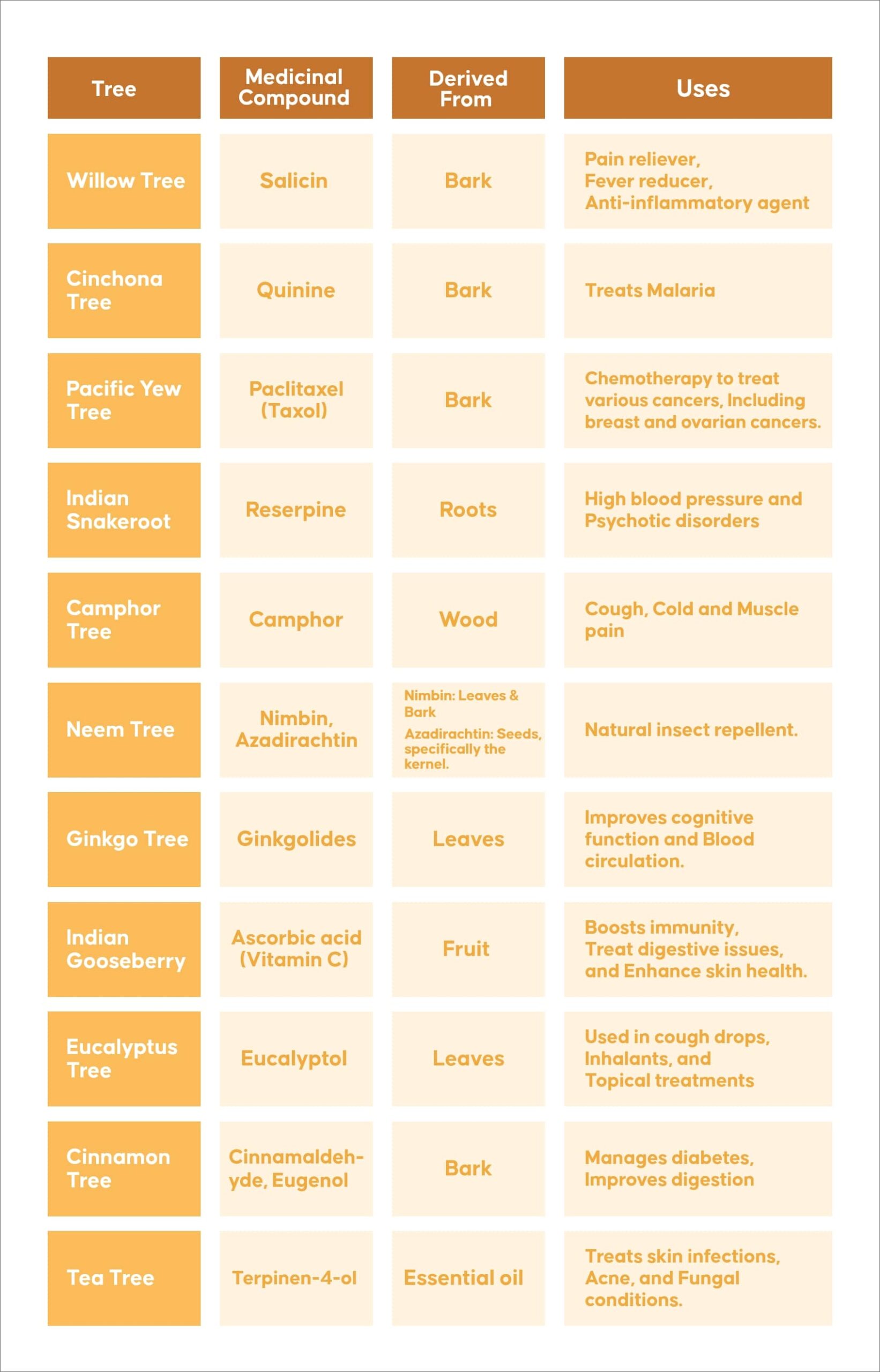
Imagine if the very essence of your well-being were tied to a tree now lost forever. Trees are vital guardians of our health, and just as they care for us, we must care for them to ensure the cycle of life continues.
We can do this by growing food using organic practices, such as incorporating vermicompost, cow dung, and biochar, significantly enhances soil health. These organic inputs increase soil carbon content, improve nutrient retention, and prevent harmful chemicals from infiltrating our food, thereby reducing the risk of diseases. Healthy soil produces nutritious food, and consuming such food contributes to our overall well-being.
So now it’s time to get our hands dirty, plant native trees and adopt organic practices in our communities and neighborhoods.
Take A Break: Reconnect Back With Nature
It’s troubling to see that even on vacations, many people remain attached to their cellphones, preoccupied with work despite being in nature. This behavior highlights a growing divide between our technology-driven urban lives and the enriching experiences nature provides. Although technology has significantly enhanced our lives, it often pulls us away from direct interactions and exploring the natural world, sometimes at the expense of our well-being.
Alarmingly, the average person now spends less than 30 minutes outside each day. With technology constantly at our disposal, we are tempted to multitask, turning our minds into relentless mental gyms that continuously switch between tasks. This multitasking, especially when outdoors, prevents us from fully experiencing the restorative benefits of nature. True engagement with nature involves more than just being physically present; it requires disconnecting from digital distractions and fully immersing ourselves in the natural environment.
Time spent in nature gradually shifts our perspective. We notice the details we previously overlooked—the sights, sounds, and smells—each visit unveiling a new layer of the natural world and deepening our connection to it. This immersion transforms our perception, aligning us with the rhythm of nature rather than viewing it as a separate entity.
Research underscores that spending time in nature improves short-term memory, enhances working memory, boosts problem-solving skills, stimulates creativity, reduces stress, and increases overall well-being. Balancing our technological lives with time spent in nature provides a crucial opportunity to rest and rejuvenate our minds. Unplugging from digital devices and embracing the outdoors can enhance productivity, lower stress levels, and elevate our mood.
To harness these benefits, we must deliberately choose to balance technology with nature. By integrating outdoor time as a counterbalance to our digital engagements, we can restore our brains, enhance productivity, and improve our overall sense of well-being. Nature offers a powerful, natural remedy to the stresses of modern life, encouraging us to reconnect with the world around us and find a more balanced, fulfilling existence.
Embrace Nature’s Healing Wisdom and Harmony
The quote by Hippocrates, “Nature itself is the best physician,” invites us to reflect deeply on the intrinsic wisdom and healing power within the natural world. This statement eloquently captures nature’s remarkable ability to sustain and rejuvenate life, a concept that has resonated through centuries of human observation and experience.
Scientific research from Japan has provided compelling evidence of nature’s therapeutic benefits, showing how spending time in forests positively impacts individuals worldwide. This phenomenon, known as “forest medicine,” awakens the senses and provides one of the most accessible and cost-effective healthcare benefits available. Walking through a forest is akin to an intense aromatherapy session, where the terpenes and oils released by trees—each with its unique scent—calm the mind, invigorate the spirit, and boost the immune system.
There is a delicate harmony between humanity and the environment, urging us to learn from nature’s quiet efficiency and resilience. Nature’s cycles of growth, decay, and renewal offer profound lessons in balance and restoration, guiding both the physical healing of our bodies and the deeper spiritual renewal of our souls.
In an era dominated by technology and artificial interventions, Hippocrates’ wisdom encourages us to return to simplicity and respect the natural forces that shape and sustain us.
Eco-Therapy – Nature’s Path To Wellness
Research consistently highlights nature’s powerful benefits for mental well-being. One study found that over two-thirds of people choose natural settings to relieve stress, underscoring nature’s role as a refuge for those in need of solace.
This aligns with the growing evidence supporting “nature therapy” or “ecotherapy.” Immersing oneself in natural environments—whether a forest, park, or beach—engages the senses in ways that urban settings simply can’t. The sights, sounds, and scents of nature can lower cortisol levels, reduce blood pressure, and alleviate mental distress, fostering mindfulness and pulling us away from the distractions of everyday life.
Moreover, nature enhances cognitive functions like attention and memory by offering a break from technology’s overstimulation. According to the “attention restoration theory,” natural settings help the mind recover from fatigue, leading to better focus and mental clarity.
Nature also provides a vital context for physical activity, enhancing not just physical health but also psychological resilience and a deeper sense of connection to the world.
Keep Yourself Alive – Plant A TREE
Nature, with its vivid and immersive experiences, reawakens our awareness and enhances our ability to perceive the world with newfound clarity and appreciation. The rich visual and sensory tapestry provided by nature—its vibrant colors, varied textures, and evocative aromas—has the power to rejuvenate the spirit and restore both mental and emotional well-being.
It’s time for us to become advocates for the trees and speak on behalf of these silent pillars of strength. Deforestation is not just an environmental crisis; it is eradicating potential cures and breaking the circle of care that nature provides. Trees are being destroyed before we even realize their full potential to heal and sustain us.
By planting trees, we actively contribute to preserving this circle of care. Let’s protect and nurture our forests, for they are the lifeline of our planet. Plant a tree, and in doing so, you become part of a solution that ensures the continued existence of nature’s healing power.
Author : Anmol Agarwal
In today’s fast-paced society, it’s easy to prioritize convenience over nutrition, often opting for pre-packaged or processed foods that are quick to prepare but lack essential nutrients. However, have you ever paused to consider the journey your food takes before it reaches your plate? Conventional farming methods, which dominate the food industry, heavily rely on synthetic chemicals, Hybrid variety plants and long transportation routes. This often results in produce that is not only less nutritious but also more harmful to the environment.
This is where managed farmlands come into play. Managed farmlands are meticulously maintained agricultural spaces dedicated to ensuring sustainable practices, producing high-quality, nutrient-rich produce while minimizing environmental impact. Imagine having a personal oasis where you can grow your own tomatoes for rasam or flowers to brighten your home. It’s a place where you can bask in the rays of sunshine and hear the joyful laughter of your children playing barefoot in the grass.
Managed farmlands prioritize health and sustainability, making them a crucial component of a balanced and healthy lifestyle. By choosing the produce from managed farmlands, you not only nourish your body with the best nature has to offer but also contribute to a healthier planet.
In this article, we will explore how managed farmlands contribute to a healthier lifestyle and better life balance through several avenues. By understanding these benefits, we can better appreciate the role of managed farmlands in fostering a healthier, more balanced life.
1. Access To Safe Food
Researchers from the Environment Management and Policy Research Institute (EMPRI) analyzed 400 vegetable samples from 20 locations in Bengaluru, finding contamination levels exceeding FAO limits. Examining 10 types of vegetables, including brinjal, tomato, capsicum, and spinach, they discovered iron concentrations far above permissible levels Notably, the permissible limit for iron is set at 425.5 mg/kg, yet beans registered an iron concentration of 810.20 mg/kg. Similarly, coriander recorded 945.70 mg/kg, and spinach exhibited 554.58 mg/kg. These excess heavy metals result from pesticides and synthetic fertilizers to induce faster food production.
Managed farmlands offer a safer alternative. At Hosachiguru, we prioritize soil health by using organic fertilizers like cow dung and plant-based nutrients, avoiding synthetic chemicals. This approach ensures our produce is free from harmful contaminants and rich in essential vitamins and minerals. By choosing managed farmlands, you support sustainable farming practices and enjoy the freshest, healthiest produce, knowing exactly where your food comes from.
2.Improved Mental and Physical Health
“In the heart of nature lies the essence of true happiness and well-being.”
Every person yearns for that blissful state known as happiness, and achieving it is both possible and straightforward. With the right approach, anyone can learn, desire, and attain happiness. Immersing oneself in nature can foster a profound sense of joy.
Beyond creating a joyful mind, nature offers remarkable physical health benefits. Spending time outdoors can boost the production of natural killer cells by 50%. Managed Farms lands of Hosachiguru present Natural outdoor environment. These cells, vital components of the immune system, combat virally infected, tumor, and cancer cells. This increase is attributed to phytoncides, organic compounds released by trees, which enhance the production of natural killer cells and anti-cancer proteins like perforin, granzymes, and granulysin. Additionally, nature reduces stress-related hormones and cortisol levels, contributing significantly to improved physical, mental, and emotional health.
3.Foster Community Connections
In our digital age, the sense of community can feel fragmented, yet its importance remains undeniable for our well-being. Managed farmlands play a pivotal role in fostering these connections, serving as hubs for local engagement where individuals from diverse backgrounds unite to nurture the land and produce sustainable food. Educational workshops and events on these farms strengthen community bonds, offering learning opportunities about organic farming and sustainability, and providing social spaces for shared knowledge and experiences.
At Hosachiguru, we enhance community building with programs like “Touch with Nature” and “Green Superheroes,” designed to educate and reconnect green enthusiasts of all ages to their roots. By prioritizing sustainability, we create a community of co-farmers who understand they are part of the solution, not the problem, fostering a supportive network that enhances both individual well-being and environmental health.
4.Reduced Chemical Use
Conventional farming frequently depends on pesticides, herbicides, and synthetic fertilizers to boost yields and control pests. Unfortunately, these chemicals remain in our food chain and pose significant health risks, including headaches, dizziness, nausea, skin irritations, endocrine disruption, cancer, and reproductive issues, while also harming the environment.
Managed farmlands, however, embrace sustainable practices to mitigate these risks. Organic farming methods, which avoid synthetic fertilizers and chemicals, are a cornerstone of this approach.
Our team at Hosachiguru prioritizes soil health through regenerative practices like no-till farming, mulching, organic concoctions, and biomass plantations. By maintaining healthy soil, we can reduce the need for chemical fertilizers and increase plants’ resilience against pests and diseases. This method not only minimizes chemical use but also supports a more sustainable and environmentally friendly farming system. Through these innovative practices, managed farmlands like ours offer safer, healthier, and more eco-conscious agricultural solutions.
5.Promotion Of Biodiversity
Did you know that over 75% of global food crops rely on pollination by insects and other animals? Managed farmlands play a crucial role in promoting biodiversity, which is essential for these natural processes. By providing shelter for insects and birds, these farms create habitats for local flora and fauna, supporting a balanced and healthy ecosystem.
Managed farmlands cultivate a variety of native plants, creating a rich environment that attracts and sustains beneficial wildlife. Insects like bees and butterflies, and birds find food and shelter, contributing to natural pest control and pollination. This diversity ensures the health of fruit plants and the overall productivity of the farmland.
In our managed farmlands we emphasize planting native varieties of plants, which are vital for supporting local biodiversity. These plants provide essential resources for pollinators and other beneficial insects, enhancing pollination and fostering a thriving ecosystem. By promoting biodiversity, we create resilient farmlands that contribute to a sustainable and balanced environment.
6.Conservation Of Water Resources
Have you considered how much water conventional farming demands? Traditional farming uses up to 70% of the world’s freshwater, with nearly half lost to evaporation, runoff, or inefficient application.
Managed farmlands address this by implementing efficient water conservation practices. Rainwater harvesting collects and stores rainwater for agricultural use, reducing reliance on groundwater and municipal supplies. These systems, ranging from simple barrels to complex cisterns, provide crucial water during dry periods.
Swales and trenches also help conserve water. Swales are vegetated trenches that capture and slow rainwater, allowing it to seep into the soil and replenish groundwater. Trenches direct water to first crops & reduce runoff and ensure efficient irrigation.
Bioswales, larger and more engineered than swales, filter pollutants from runoff while facilitating groundwater recharge. These methods not only conserve water but also improve its quality by removing sediments and contaminants.
Borewell Recharging is done by filtering and diverting excess Rainwater into Borewells that are operational. This ensures fast replenishing of underground Aquafers in the farms.
At Hosachiguru, we use these techniques to optimize water usage and conserve resources. Our sustainable practices ensure that our farmlands are productive and environmentally responsible, supporting both agriculture and ecological health.
Conclusion
Achieving a balanced and healthy life starts with mindful decisions. Managed farmlands provide a powerful way to make those decisions, combining sustainable techniques with the enduring benefits of nature. By supporting well-managed farmlands, we contribute to our well-being and our planet’s.
Let’s lead this movement and motivate others to embrace a future where managed farmlands play a pivotal role in our lives, paving the way for a healthier, more joyful, and balanced world for generations ahead.
Author : Anmol Agarwal
5 Mins Read
Did you know that the tiny organisms living in your gut could be influencing your health, mood, and even your thoughts? It’s fascinating to think about how much these microscopic dwellers affect our daily lives.
These organisms, known as gut bacteria, possess the unique capability to interact with our brain functions. Dr. Emeran Mayer, a world-renowned expert in gut health describes this interaction perfectly: “The gut-brain connection is a two-way street. What happens in the gut doesn’t just stay in the gut – it influences your brain, and what happens in your brain also influences your gut.” It’s like having a little advisor inside you, suggesting how you might feel or react.
These bacteria play crucial roles in regulating our energy levels, our cravings, our memories, and they might even shape our personalities. But how do these tiny creatures manage such feats?
Gut bacteria generate numerous psychoactive compounds, such as various neurotransmitters that are similar to the communication chemicals in our brains. They send these signals via the vagus nerve, a direct line to the brain. Interestingly, most of these messages travel from the gut to the brain, rather than the other way around. Moreover, when detrimental bacteria disturb the equilibrium of our gut, our immune response is activated, which can influence our mood and brain, possibly explaining feelings of anxiety or sadness when our gut is upset.
This complex interplay highlights the crucial role of gut health in our mental state and overall health.
How Your Diet Shapes Your Gut Microbiome?
Our bodies serve as vibrant ecosystems filled with trillions of microbes such as bacteria, viruses, and fungi, which constitute our gut microbiome. This complex network is vital, helping break down the food we eat, producing essential nutrients, regulating our immune system, and shielding us from harmful pathogens. The well-being of our microbiome is shaped by various factors—our surroundings, the medications we take, our birth process, and most notably, our diet. Feeding on a diet rich in dietary fibers from fruits, vegetables, nuts, legumes, and whole grains does wonders. These nutrients foster our microscopic friends, who in return produce compounds that strengthen our gut, enhance our immune function, and keep inflammation at bay. Conversely, indulging in processed foods can disrupt this delicate balance, diminishing our gut’s health. By choosing meals that are minimally processed and packed with polyphenols, we actively support a healthier microbiome. Every meal is an opportunity to nourish this vibrant inner world, promoting our overall well-being and helping us lead healthier lives.
The table below outlines various types of gut bacteria, detailing their locations, sources, and the health benefits they offer.
Soil Bacteria’s Impact on Gut Bacteria Health
Our gut microbes are shaped not only by our dietary choices but also by the diet of the plants we consume. This highlights the indispensable role of soil in our nutritional health. When plants are nurtured in soil teeming with beneficial microbes, they absorb these tiny life forms. We then take in these microbes when we consume these plants, which enriches our gut microbiome, boosting its diversity and vitality.
From a young age, playing in the soil isn’t just fun—it’s a formative experience for our immune systems. Exposure to a rich array of soil microbes can fine-tune children’s immune responses, safeguarding them against autoimmune diseases and allergies. The simple act of children playing outside, getting their hands dirty, is more than just play; it’s nature’s way of introducing them to a world of beneficial microbes, potentially setting them up for better long-term health. This connection between our environment, what we eat, and our health is a beautiful reminder of how deeply interconnected life is.
From Screen Time to Green Time: How Playing in Soil is Beneficial for Children
Playing in the soil isn’t just fun for children; it offers significant health benefits compared to staying clean indoors. When kids dig into the soil, they’re exposed to a wide variety of microbes, which boosts their microbial diversity. This exposure helps their immune systems develop more robustly, teaching them to distinguish between harmful and harmless agents. As a result, they’re less prone to allergies and autoimmune diseases.
Children who play in the soil also have higher levels of beneficial gut bacteria like Lactobacillus and Bifidobacterium, promoting a healthier digestive system. This rich microbial environment supports better metabolic development, reducing the risk of obesity and diabetes. Moreover, these microbial interactions can positively influence mood and stress responses. Kids who interact with a diverse microbial community tend to have better stress regulation and overall mood.
However, in today’s digital age, children are often so engrossed with technology that they rarely spend time outdoors, let alone play in the soil. It’s crucial for children to reconnect with nature and engage in activities that involve playing in the soil. Doing so boosts their microbial diversity, strengthens their immune system, and enhances their overall health. Letting kids get dirty isn’t just okay—it’s essential for their long-term well-being.
At Hosachiguru, we’re passionate about creating environments that encourage kids to play in the soil. Our managed farmlands provide the perfect setting for children to explore nature, get their hands dirty, and reap the myriad health benefits that come from interacting with a diverse microbial community. By fostering these connections to the earth, we’re not only promoting healthier lifestyles but also instilling a love for nature that can last a lifetime.
Conclusion
At Hosachiguru, we are deeply committed to regenerative agricultural practices that enhance the nutritional quality and microbial diversity of the plants we cultivate. By investing in the health of our soil, we do more than just grow plants; we nurture a foundation for health that extends from farm to table. This not only results in healthier plants but also supports the gut microbiomes of everyone who enjoys our produce. For us, the relationship between the soil, our food, and your health is at the heart of everything we do. We take pride in knowing that with every harvest, we are contributing to a healthier, more sustainable world.