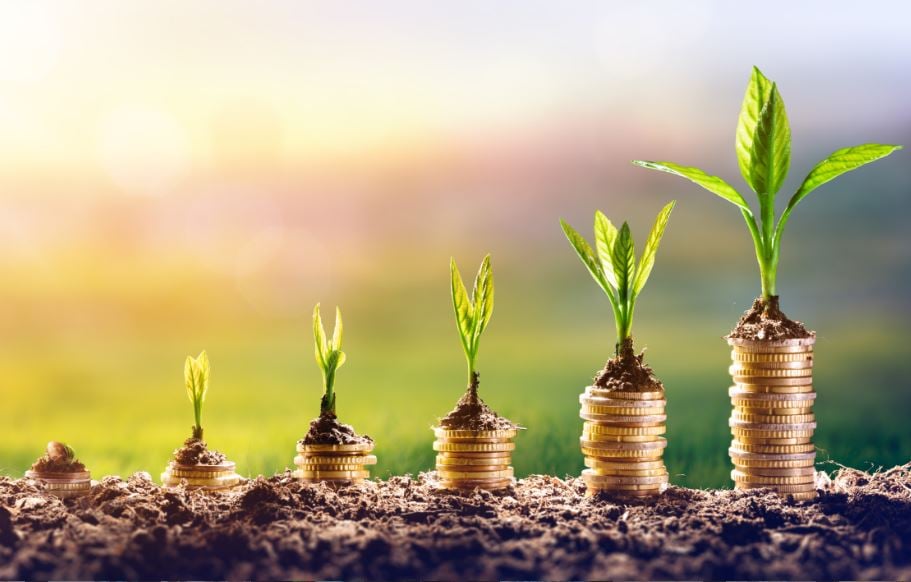
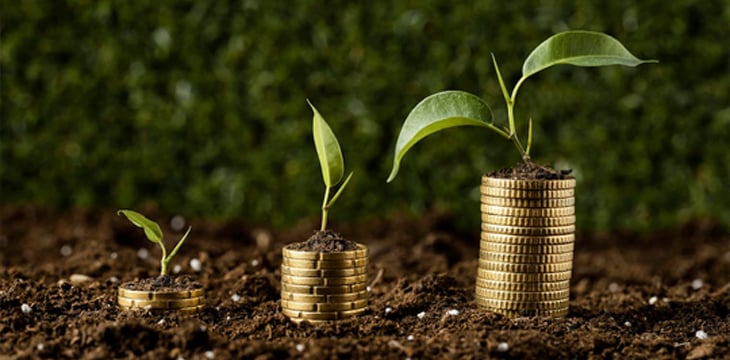
As the world races to combat climate change, every activity we undertake—from air travel to the simplest act of using a mobile phone—contributes to carbon emissions. While achieving a zero-emission reality remains a distant goal, carbon credits offer a pragmatic and promising solution. These tradable permits allow companies to offset their unavoidable emissions by investing in projects that either prevent carbon dioxide from entering the atmosphere or actively remove it. For every tonne of carbon dioxide offset, one carbon credit is issued, creating a robust mechanism for funding sustainable initiatives.
Governments, corporations, and organizations worldwide are increasingly leveraging carbon credits to drive investments into green projects, including forest conservation and sustainable agriculture. In this landscape, managed farmlands have emerged as a powerful yet underutilized asset in the fight against climate change.
The Carbon Market: A Growing Opportunity
The global voluntary carbon market is projected to soar to $50 billion by 2030, according to the World Bank. While forests, which cover nearly 31% of the Earth’s land, have traditionally dominated the carbon credit conversation, agricultural land—accounting for about 38% of global land use—presents an untapped potential. Through sustainable farming practices, agricultural lands can transform into carbon sinks, capturing atmospheric carbon while revitalizing ecosystems.
India, where agriculture forms the backbone of the economy, is uniquely poised to lead this transformation. The government is championing sustainable farming practices to address challenges such as overreliance on chemical inputs and the unsustainable use of natural resources. These initiatives not only align with the nation’s climate goals but also offer a new revenue stream for farmers willing to embrace change.
Carbon Credits and Global Climate Goals
Carbon credits are critical to achieving the Paris Agreement’s objective of limiting global warming to below 2°C, with an aspirational target of 1.5°C. Article 6 of the agreement provides a framework for international carbon markets, enabling countries and corporations to trade emissions reductions. By investing in carbon credits, businesses and nations contribute to global climate goals while offsetting their carbon footprint—a win-win scenario for the planet and the economy.
Transforming Agriculture with Sustainable Practices
Sustainable agricultural practices such as regenerative farming, agroecology, and climate-resilient agriculture offer multi-faceted benefits:
Environmental Gains: Improved soil microbial health, enhanced water resource availability, increased biodiversity, and ecosystem restoration.
Economic Benefits: Reduced dependence on costly chemical inputs, increased yields, and access to premium markets for sustainably produced food.
Healthier soils, enriched with organic carbon, yield healthier crops while reducing post-harvest losses. Crop diversification, a cornerstone of sustainable agriculture, not only ensures food security but also mitigates risks from pests and diseases.
Case Study: Karnataka’s Afforestation Success
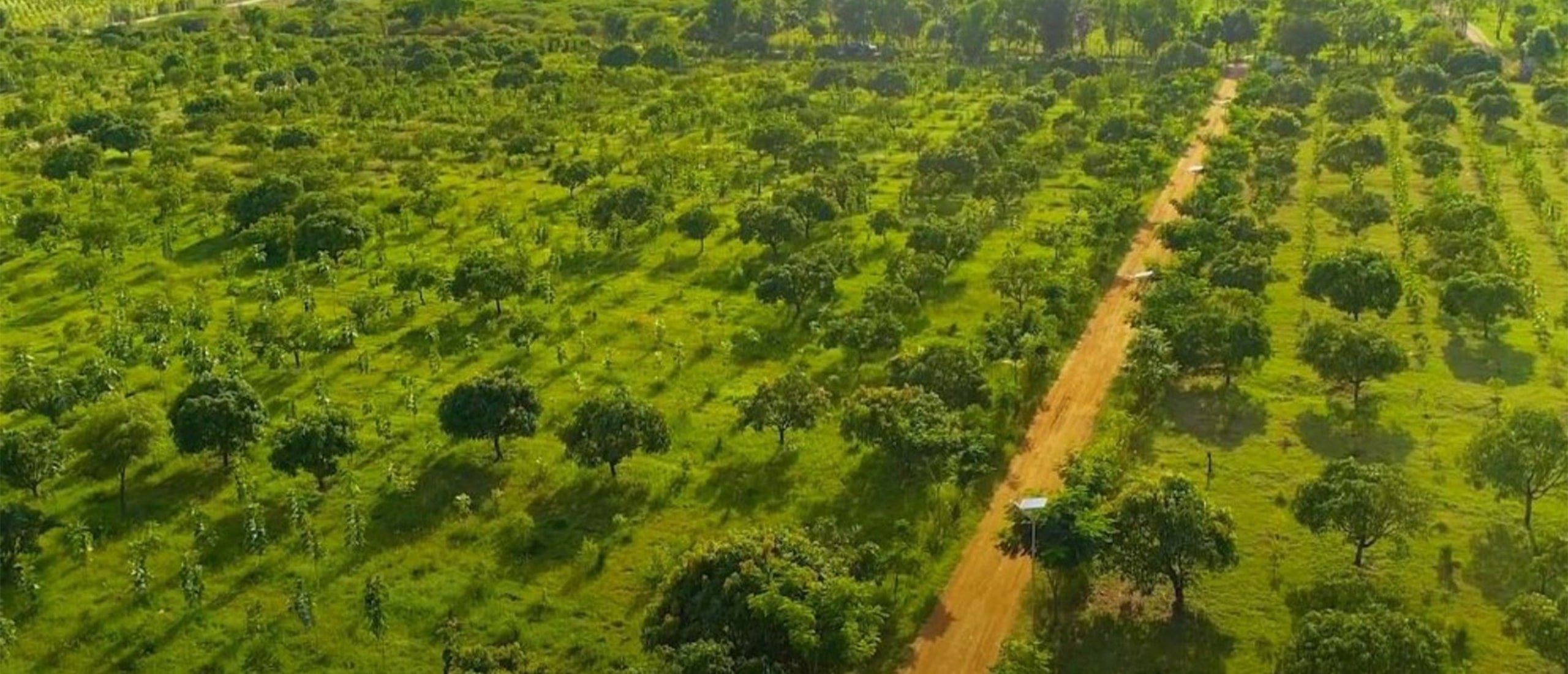
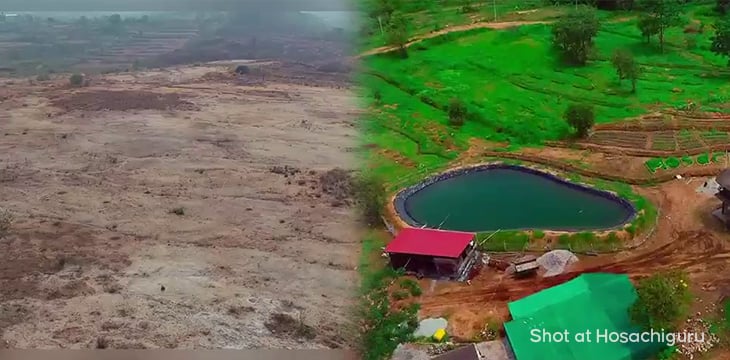
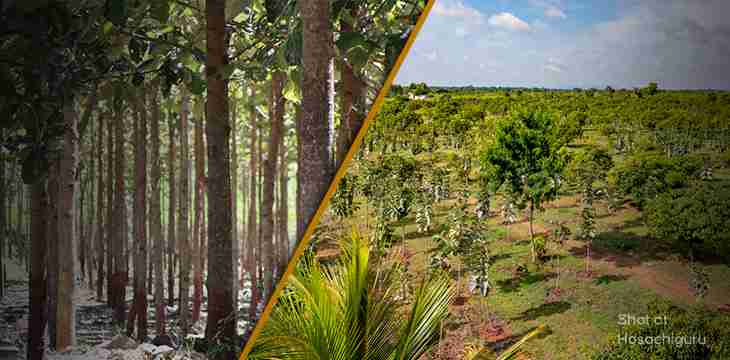
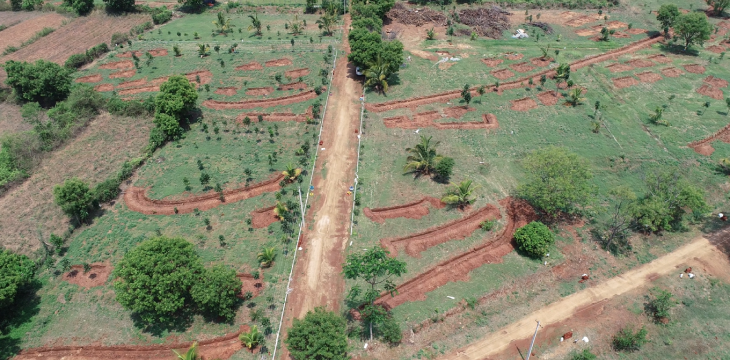
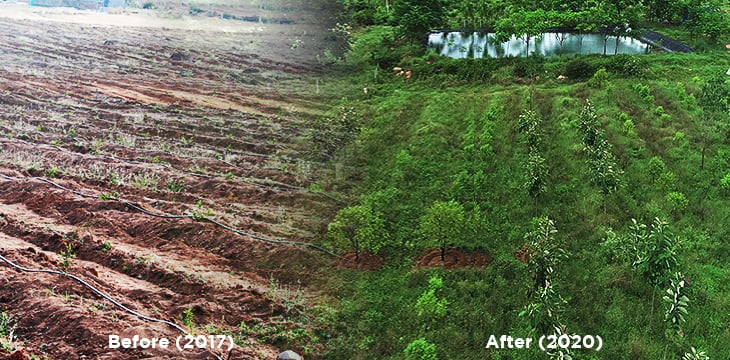
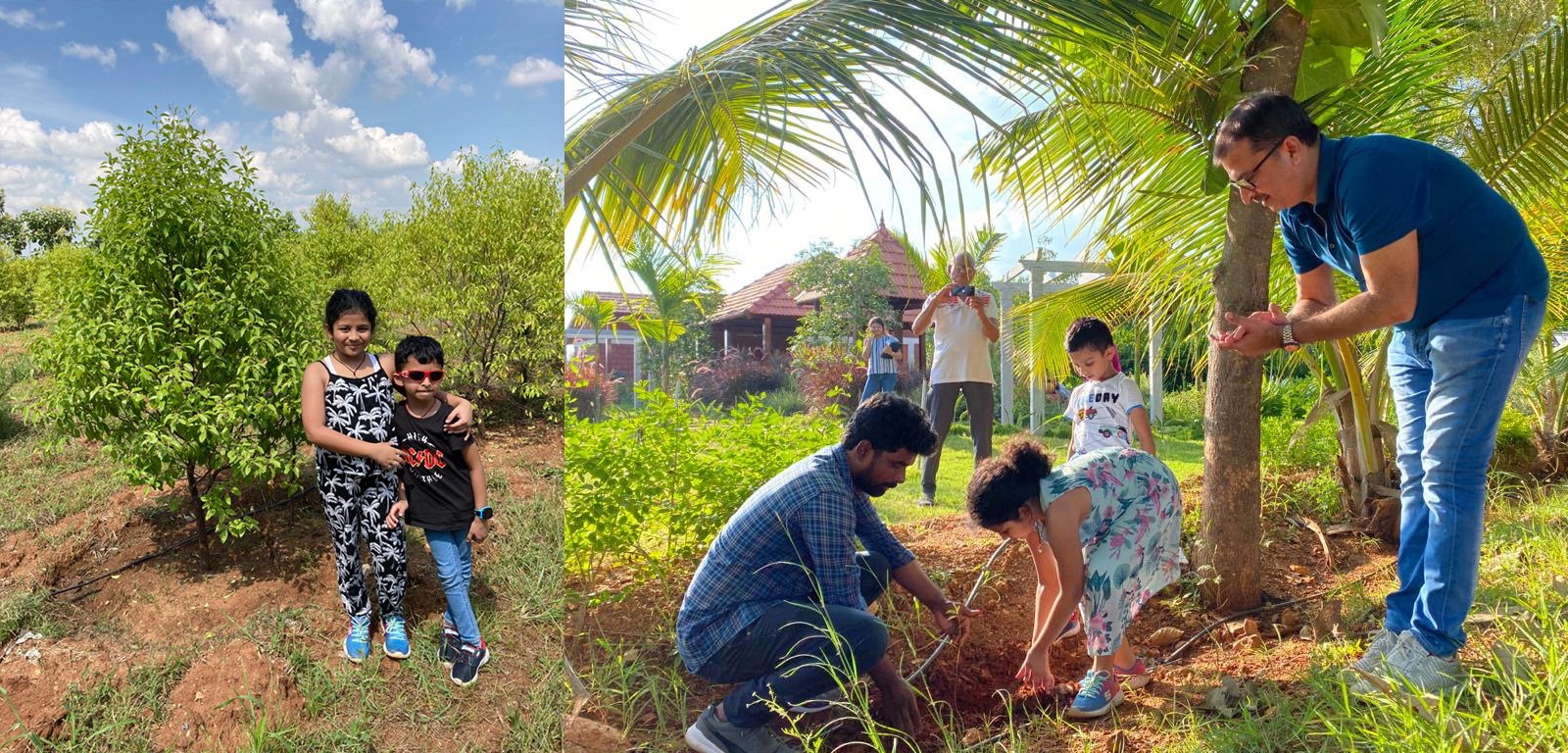
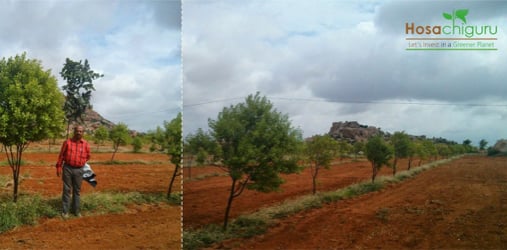
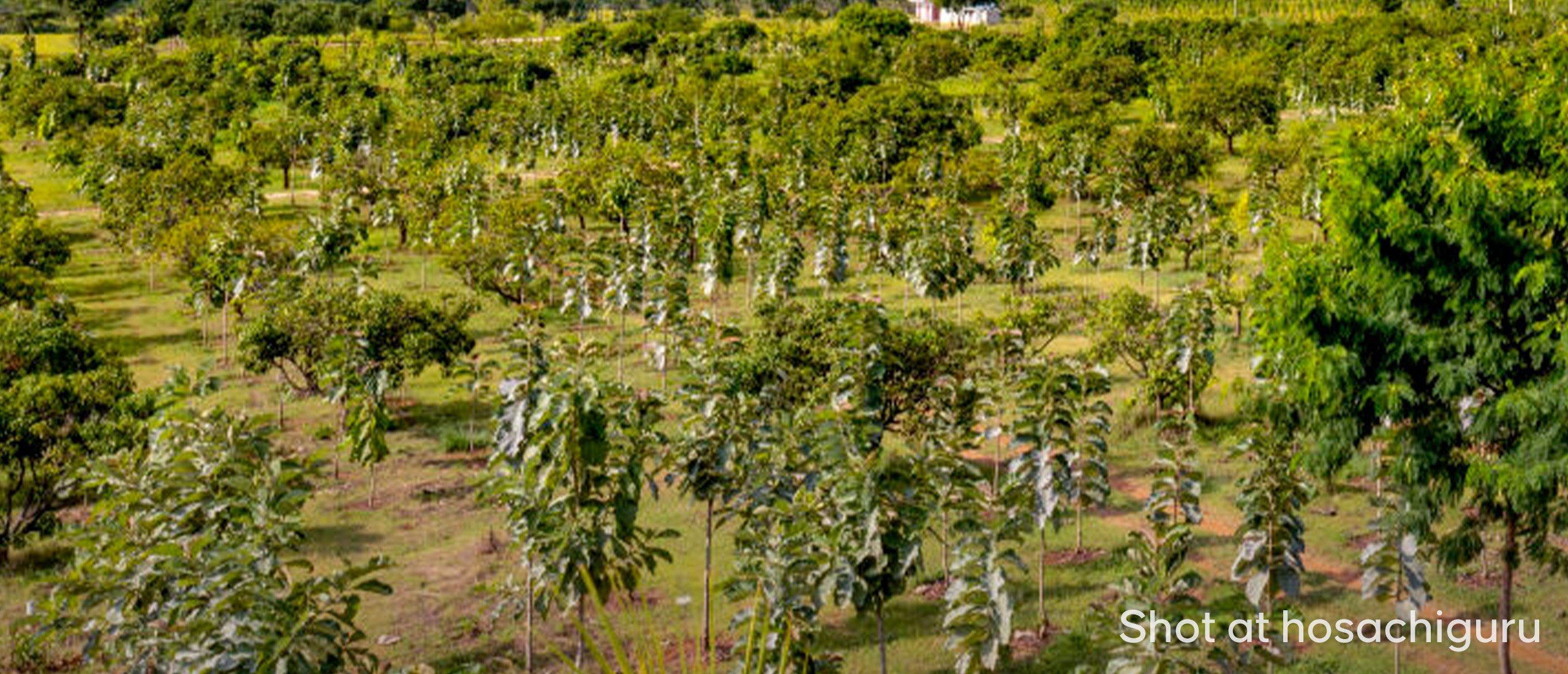
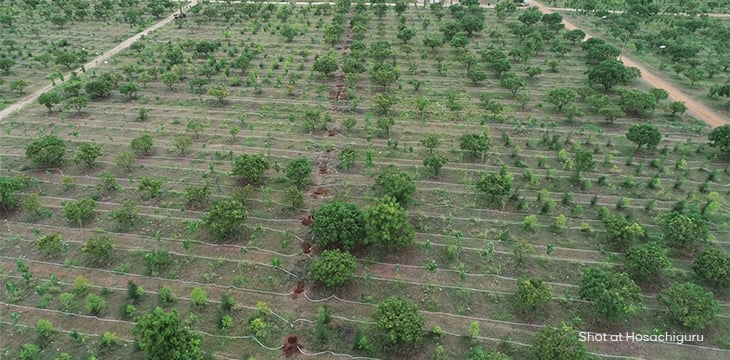
The transformative potential of sustainable farming is exemplified by a 10-year afforestation project in Bagepalli, Karnataka. Local farmers planted fruit and fodder trees—mango, cashew, and tamarind—on degraded lands. Despite early challenges, including low sapling survival due to erratic weather, the adoption of climate-resilient techniques improved survival rates by 40%.
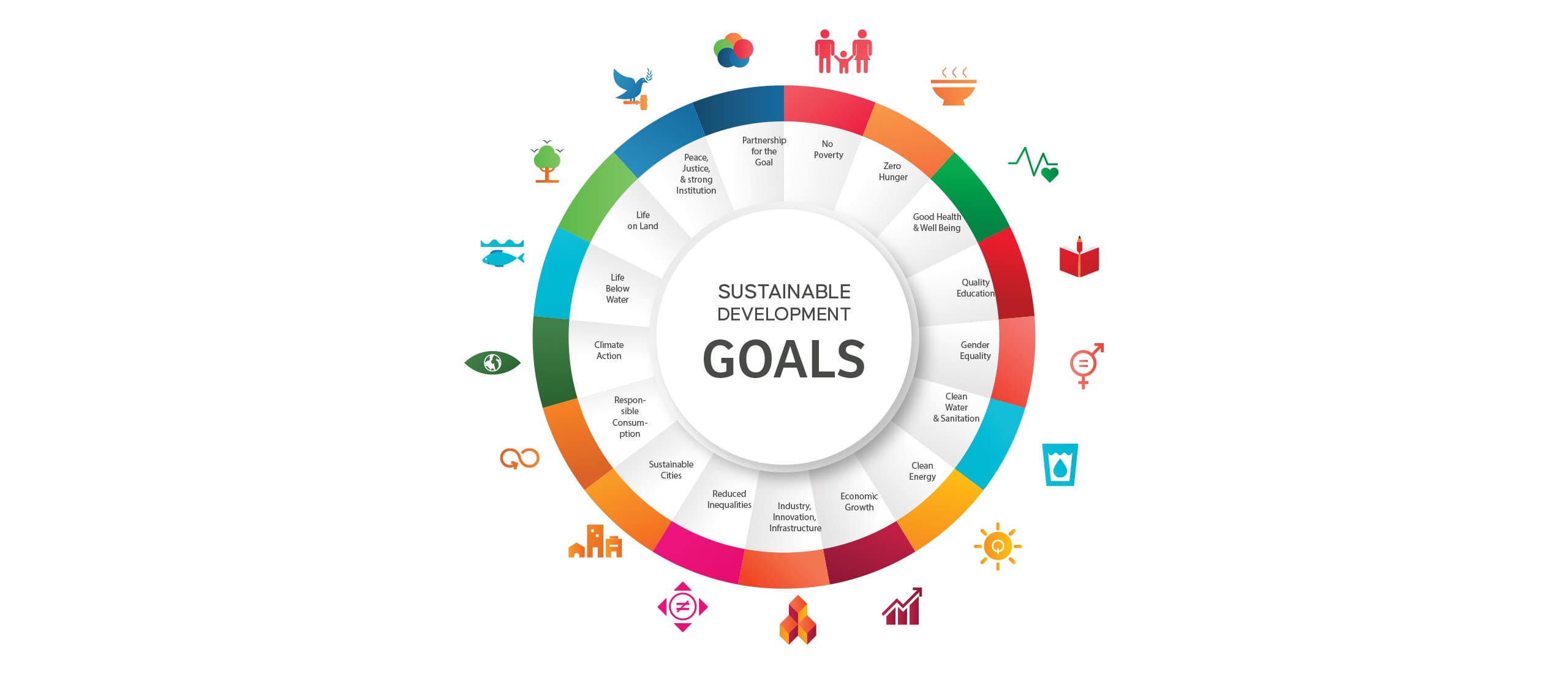
The project, certified under the Gold Standard for the Global Goals, sequestered substantial greenhouse gases, earning 91,092 carbon credits. This translated into significant financial gains: ₹26.18 crore in 2019 and ₹4.4 crore in 2021. These funds empowered local families, revitalized degraded lands, and advanced global Sustainable Development Goals (SDGs) focused on responsible resource use, climate action, and ecosystem restoration.
The Green Credit Programme: Amplifying Impact
India’s Green Credit Programme (GCP), an initiative aligned with Mission LiFE (Lifestyle for Environment), complements carbon credits by incentivizing green activities such as tree plantation, water management, sustainable agriculture, and waste management. Projects generating green credits can simultaneously earn carbon credits, creating dual revenue streams. Managed farmlands stand to benefit immensely from this synergistic opportunity.
The Promise of Managed Farmlands
Managed farmlands hold unparalleled potential in addressing both climate change and food security challenges. By adopting sustainable practices, farmers can:
Sequester Carbon: Boost soil organic carbon and actively reduce atmospheric CO2 levels.
Enhance Productivity: Improve soil health and biodiversity for higher and more sustainable yields.
Access Premium Markets: Cater to a growing consumer base seeking sustainably produced food.
Empower Communities: Generate financial and social benefits, particularly for marginalized groups.
Conclusion: A New Frontier for Farmers
The integration of carbon credits with managed farmlands is not just an environmental imperative but also an economic opportunity waiting to be seized. By embracing sustainable farming practices, farmers can unlock significant revenue streams while mitigating climate risks.
With the voluntary carbon market set to expand exponentially in the coming years, the time is ripe for farmers, policymakers, and businesses to collaborate. The question is no longer whether managed farmlands can play a role in climate mitigation but rather: Is your land ready to cash in on this billion-dollar opportunity?
“Waste is not waste, until we waste it.” – Will.i.am
What if waste isn’t the property of objects but a result of our actions and mindset? This thought-provoking idea challenges conventional views, redefining waste as untapped potential rather than discarded remnants.
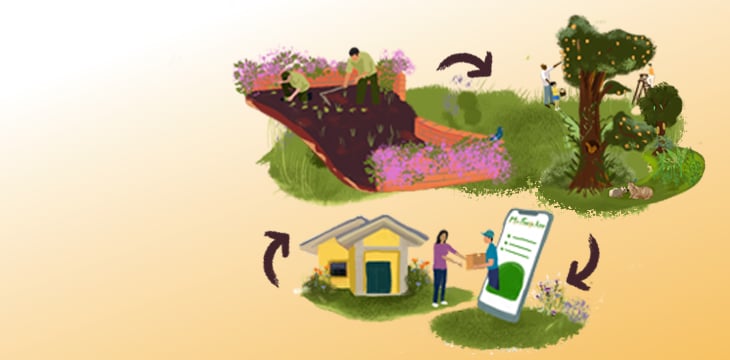
Aligned with sustainability principles and the circular economy, this perspective urges us to see waste not as a dead-end but as a resource waiting to be utilized. Circular farming exemplifies this vision, turning agricultural by-products into valuable inputs, mimicking nature’s regenerative cycles.
By shifting from linear consumption to a regenerative model, industries like agriculture can revolutionize resource efficiency, transforming waste into opportunity. It’s a bold reminder that sustainability starts with reimagining how we value the materials around us.
What are Circular Farming Systems?
Circular agriculture is a forward-thinking farming approach focused on reducing waste, optimizing resources, and fostering a regenerative production cycle. By mirroring natural ecosystems, it ensures the continuous reuse of water, nutrients, and energy within agricultural systems, paving the way for sustainable and efficient food production practices.
Circular agriculture offers a transformative approach to farming, anchored in five core principles that aim to harmonize sustainability with productivity:
- Reduce Resource Input
By embracing regenerative agriculture and renewable energy, this principle minimizes resource use while maximizing yields. Techniques like solar panels and biogas systems reduce emissions, lower costs, and even create new income streams for farmers, setting a benchmark for efficient resource management.
- Close Nutrient Loops
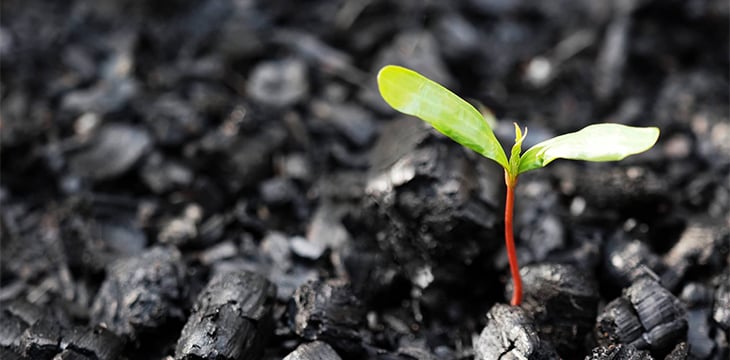
Nutrient recycling is at the heart of circular farming. Organic waste is turned into valuable resources through composting, biogas production, and innovative technologies like anaerobic digestion and biochar. These practices replenish soil health, combat pollution, and promote waste-free agriculture.
- Reduce and Repurpose Waste
Circular farming redefines waste as a valuable resource. Crop residues become bioenergy, food scraps transform into animal feed, and waste is upcycled into compost or new products. This not only minimizes landfill impact but also drives economic growth and profitability.
- Regenerate Natural Ecosystems
This principle focuses on restoring and enhancing natural ecosystems. Agroforestry and integrated pest management improve soil health, boost biodiversity, ensure ecological balance, supporting sustainable farming practices.
- Foster Collaboration Across the Supply Chain
Collaboration is key to achieving a closed-loop system. Farmers, processors, retailers, and consumers work together to minimize waste, optimize production, and encourage sustainable habits across the supply chain.
Circular agriculture is more than a farming method—it’s a blueprint for a sustainable future.
The Fertilizer Dilemma: Why India Must Transition to Regenerative Agriculture
India’s fertilizer consumption has surged from 19 million metric tons in 2020 to an astounding 60 million tons in 2023-24. This dramatic rise underscores the pressing need for sustainable agricultural practices that minimize dependency on synthetic inputs while mitigating their environmental toll.
Managed farmlands, with a focus on regenerative farming, offer a viable path forward. By adopting circular farming systems, we can address inefficiencies in industrial agriculture practices and pave the way for a zero-waste future. For example, replacing chemical fertilizers with organic alternatives like farm compost and manure not only enhances soil health but also curbs groundwater contamination.
This shift toward sustainability isn’t just necessary—it’s vital for securing agriculture’s future and protecting the planet.
Rethinking Agriculture: Cultivating a World Where Nothing Goes to Waste
Managed farmlands represent the future of sustainable agriculture, where innovation meets nature to create thriving ecosystems. These farms transform waste into opportunity, turning crop residues into bioenergy, organic waste into nutrient-rich compost, and by-products into valuable resources. Even the pruned stems & branches of trees are converted into valuable Biochar and put into soil, thereby ensuring circular farming. Through circular farming systems, they minimize resource dependency, optimize efficiency, and regenerate soil and biodiversity. Imagine a world where every farm operates as a zero-waste hub, producing healthy food while healing the Earth.
Managed farmlands not only address environmental challenges but also inspire a global shift towards conscious consumption and responsible resource use. By adopting regenerative practices, we can build a future where agriculture doesn’t deplete but replenishes. Together, let’s embrace the bold vision of zero-waste farming by 2030—where every action on the farm contributes to a greener, healthier planet.
So, let’s rethink our habits of consumption and disposal, and transform “waste’ into nourishment.
Born between 1996 and 2012, Gen Z is not just a demographic but a cultural shift, defined by their strong values around environmental activism, sustainability, and social justice. However, despite their commitment to these causes, this generation has often been described as the “lonely generation,” with many spending their formative years during the pandemic. As a result, there’s a deep need for connection and belonging—what sociologist Ray Oldenburg refers to as “The Third Place.”
Traditionally, “Third Places” are spaces outside of home and work where people gather to relax, socialize, and recharge, like cafés, parks, or libraries. While Gen Z has created digital versions of these spaces through platforms like Reddit, Discord, and Twitch, these online communities, though meaningful, often lack the physical connection essential for mental well-being.
However, there’s a noticeable shift as Gen Z seeks to reconnect with physical spaces that foster collaboration and community. Farming, in particular, is emerging as a new “Third Place,” where the values of sustainability, shared knowledge, and collective care align with their desire for both community and personal growth.
Farming: A Place of Connection
Gen Z is incredibly environmentally conscious and tends to prefer sustainable, ethical practices. Farming aligns with these values, allowing them to engage in hands-on activities that not only benefit the environment but also contribute to food security and local economies.
Farming offers a break from the constant noise of technology and provides a tactile, real-world connection. For a generation often disconnected from nature due to urban living and screen-based work, farming can become a sanctuary—a place where people can feel grounded and connected to the land.
Mental Health Benefits:
Gen Z, a generation increasingly aware of mental health challenges, are on the constant lookout for ways to counteract feelings of burnout, anxiety, and isolation. Farming has therapeutic benefits. Whether it’s growing plants, raising animals, or simply spending time outdoors, there’s substantial evidence that these activities reduce stress, improve mood, and help people feel more present.
Engaging with the land teaches patience and mindfulness. Gen Z, who are seeking alternative ways to manage stress and practice self-care, may find farming to be a powerful form of active meditation, bringing a sense of purpose and satisfaction.
Community Building Through Farming
For Gen Z, spaces like community gardens, rooftop farms, and vertical farming initiatives offer alternative “third places” where they can connect with like-minded individuals who prioritize sustainability, health, and mutual aid. Many urban areas are embracing these spaces as a way to address food security while fostering a sense of community. Urban farming not only provides a practical solution to food shortages but also creates opportunities for social interaction and learning, helping people build connections in the often-isolating hustle of city life.
The Farm-to-Table movement, which focuses on sourcing food directly from farms to consumers, further aligns with Gen Z’s values. This approach blends a desire for transparency with a deeper connection to the food we eat, transforming eating from a simple transaction to a mindful, intentional practice. It emphasizes sustainability, health, and community, creating a more holistic approach to food and social engagement.
Technology’s Role in the New “Third Place”
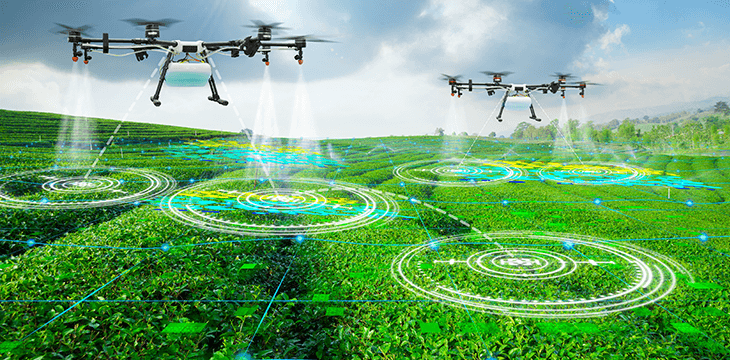
While farming has traditionally been a non-digital activity, technology is increasingly making it more accessible and appealing to Gen Z. Precision farming, driven by AI, drones, and IoT devices, is transforming how crops are grown and managed. These innovations allow Gen Z to monitor soil health, optimize irrigation, and track crop growth in real-time, significantly improving efficiency and sustainability. By leveraging these technologies, they can increase yields, reduce resource waste, and minimize environmental impact. As a result, farming becomes not only more sustainable but also a more tech-forward, dynamic activity that aligns with Gen Z’s values of innovation and environmental responsibility.
The Future of the Third Place: How Farming Can Evolve
The future of the “Third Place” is shifting to cater to a generation seeking deeper connections with nature, community, and mental well-being. Farming, once seen as a solitary or rural activity, is emerging as a vibrant hub for social interaction, learning, and wellness. These spaces allow people to grow, connect, and recharge—blending agriculture with community engagement.
Gen Z, with their focus on collaboration over competition, is driving a new wave of community innovation centered on shared knowledge and mutual aid. By combining technology with community-driven initiatives, farming can evolve into a dynamic “third place” those nurtures both people and the land, providing a much-needed escape from the pressures of modern life.
Conclusion
Farming as the third place isn’t just about escaping the pressures of life—it’s about reimagining what community, well-being, and connection can look like in a changing world. For Gen Z, embracing farming can lead to a richer, more sustainable future where they feel empowered to shape the world around them.
Author – Arun Kumar
Welcome to the world of Hosachiguru, where technology and agriculture come together in perfect harmony. Picture this: 1000 acres of farmland spread across 20 different farms, each in a unique climatic condition and soil type, cultivating a diverse range of crops at different stages of growth. Managing such complexity may seem like an insurmountable task, but at Hosachiguru, we have embarked on a revolutionary journey powered by IoT (Internet of Things) technology.
Over the past year, we have invested considerable time, resources, and energy to develop a cutting-edge IoT tech platform that enhances our ability to meet the irrigation and fertilization needs of every plant on our farms. The three critical layers of our system work seamlessly together to create a comprehensive solution. Let’s delve into them.
The first layer, the perception layer, is composed of an extensive network of sensors strategically placed throughout our farms. From surface-level sensors to those buried 30 and 60 centimeters (about 1.97 ft) below the soil, we gather crucial data on soil temperature, moisture, wind speed, direction, evapotranspiration losses, and humidity. This wealth of information forms the foundation of our decision-making process.
The second layer, the network layer, employs computers and tablets installed at the farm level. Utilizing low bandwidth, these devices capture data from the sensors and transmit it to the cloud for analysis. This real-time connectivity ensures that we stay up to date with the ever-changing conditions on our farms.
The third layer, the data and artificial intelligence layer, represents the culmination of our expertise gained over a decade of experience. Leveraging the vast amounts of data, we have collected, we have developed sophisticated algorithms that factor in variables such as soil type, plant age, crop type, and stage of the season. By integrating all this information, we can make informed decisions about irrigation and fertilization requirements for optimal plant growth. It’s a complex process that continues to evolve as we refine and enhance our network and data infrastructure.
But our technological advancements don’t stop in the fields. We have also equipped our tractors with sensors, enabling us to simultaneously track and manage their activities across multiple farms. Through advanced route planning and task allocation, we maximize efficiency and ensure that every aspect of farm operations is executed seamlessly.
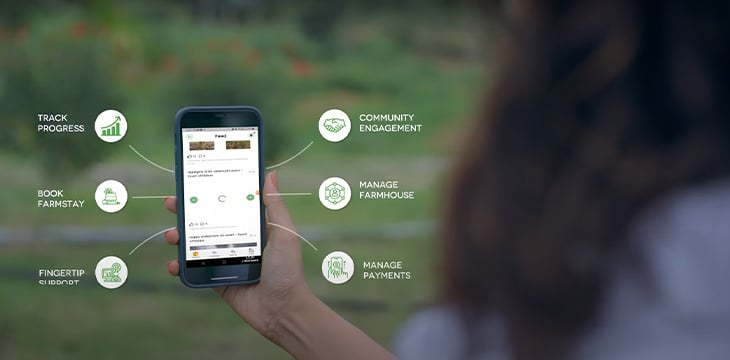
To facilitate easy access and control, we have developed a user-friendly app that puts all this information at your fingertips. Imagine sitting at one place and getting updates about irrigation, fertilization, and tractor routes with just a few taps on your smartphone.
Farm Supervision from Anywhere, Anytime
Discover the My Farm App by Hosachiguru, an innovative mobile application designed to bring farming enthusiasts closer to a greener life. This user-friendly app offers a range of powerful features that enhance the farm-owning experience. With multi-farm support, you can effortlessly manage and monitor all your farms from one platform, saving you time and improving efficiency.
Stay up to date with real-time notifications that provide instant updates on farm activities. From irrigation schedules to harvest reminders, you’ll always be in the loop, no matter where you are. The app’s dashboard offers a comprehensive overview of your farms, including the latest media updates. Witness the progress of your crops through images and videos, showcasing the tangible results of your hard work.
The activities screen logs recent tasks and operations, allowing you to track progress and optimize your farming practices. Meanwhile, the assets screen provides detailed information about your land extent, plantations, and fruit-bearing plants, giving you a comprehensive understanding of your farm’s resources.
With the real-time monitoring feature, access farm data on weather conditions, plant health, and soil quality. This valuable information empowers you to make informed decisions to enhance productivity while minimizing environmental impact.
The app also rewards your sustainable farming efforts with a Green Certificate, acknowledging your contribution to the planet. As a member, you can use your points to book retreats and enjoy rejuvenating experiences amidst nature, fostering a sense of community.
Virtual Farm Mapping & Booking Process
Talking Lands is a valuable partner for Hosachiguru, facilitating the land selection process for our esteemed customers. As a specialized real estate platform, Talking Lands leverages its expertise to offer unique insights and support to individuals interested in investing in Hosachiguru managed farmland. Here’s how Talking Lands is instrumental in assisting Hosachiguru customers in selecting the perfect land:
Comprehensive Property Listings: Talking Lands features an extensive range of properties managed by Hosachiguru on its platform. With a user-friendly interface, customers can effortlessly explore a wide variety of farmland options available for investment. Detailed property descriptions, including size, location, amenities, soil quality, and infrastructure, equip customers with the necessary information to make well-informed decisions.
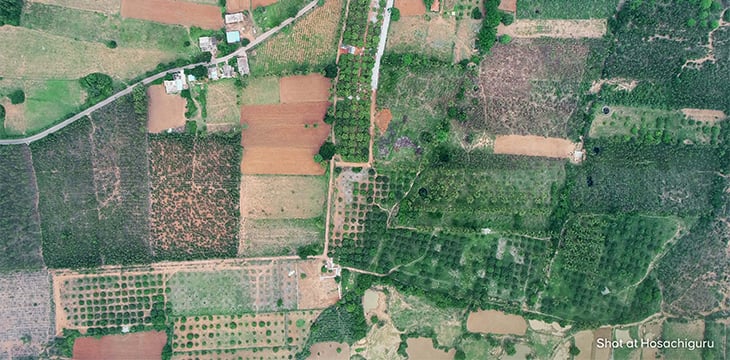
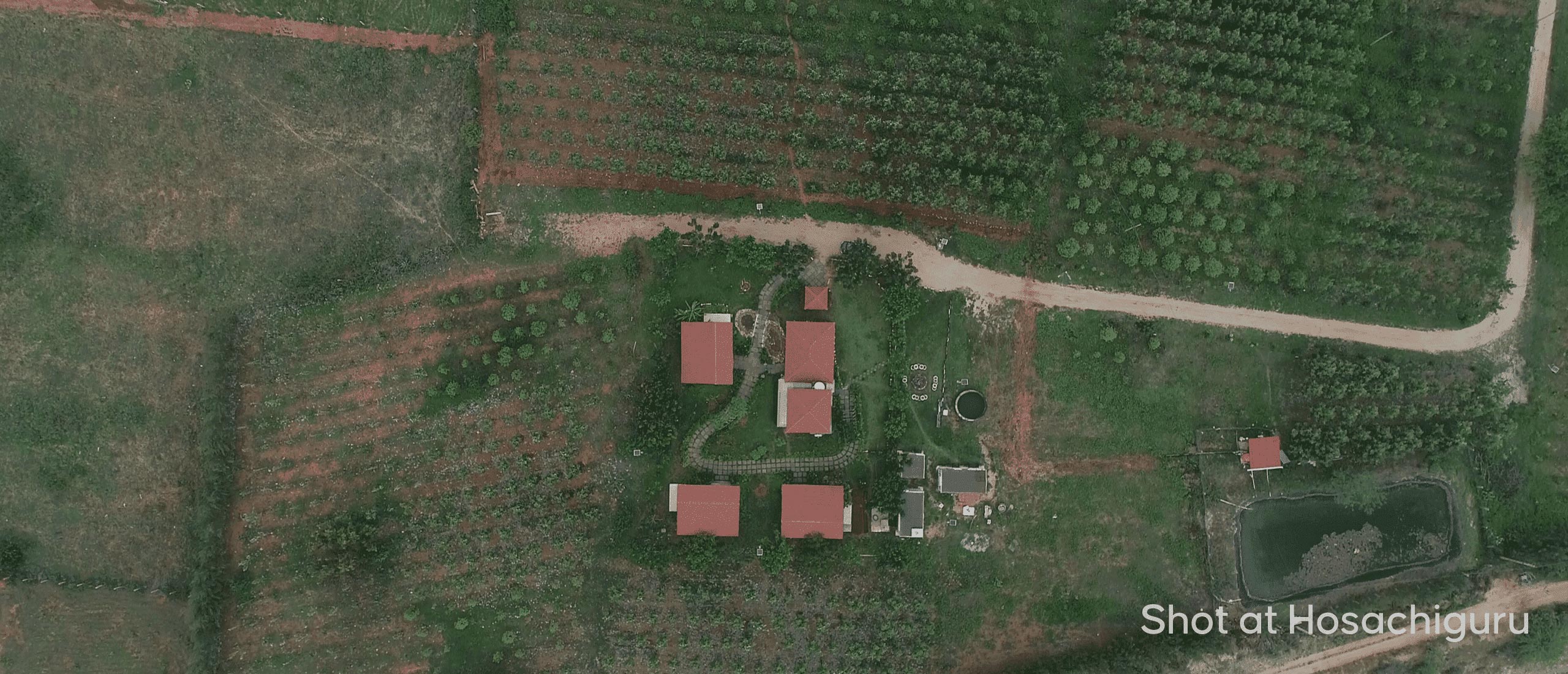
Immersive Visual Representation: Through advanced technology, Talking Lands provides customers with an immersive experience of the properties. Utilizing 360-degree views, aerial imagery, and satellite imagery, customers can virtually explore the farmland and gain a comprehensive understanding of its features, topography, and surroundings. This visual representation enhances transparency and empowers customers to visualize the land before finalizing their purchase decision.
Conclusion:
My Farm App by Hosachiguru is a powerful tool that simplifies farm management and monitoring. With its dedication to sustainability and continuous improvements, this app brings you closer to a greener life. Download the app today and embark on a rewarding journey towards sustainable farming.
Our tech-enabled farms represent a groundbreaking innovation in the field of agriculture. By embracing technology, we are leading the charge toward a future where food production is not only abundant but also sustainable and profitable. Through the integration of sensors, AI, and cloud-based systems, we have revolutionized farming practices, proving that technology holds the key to meeting the growing global demand for high-quality food while safeguarding our planet’s resources.
Here from our Director & Co-founder, Mr. Sriram Chitlur on how Hosachiguru is creating a new wave of smart farms. Our smart farms include cloud computing, AI and real-time sensors that have transformed agricultural practices by increasing resource efficiency, while also conserving essential ecosystems.
Author: Srinivas Abhilash
Land on planet earth is scarce. Mark Twain once said, “Buy land, they are not making it anymore.” Though land is one of the most profitable investments in the world, farmlands for sure come with their share of uncertainties, legal shortfalls, and a string of unavoidable difficulties; and it can be intimidating to even the most experienced individuals to invest in farmland because of the lack of experience and expertise it demands one to have in various diverse fields of Agronomy, Law, and Farm Management.
It is massive work for an individual to identify the best suitable land within the budget that maps with the right size, location, accessibility, soil quality, and water sources. The hassle of cross-verifying ownership titles and documents for disputes and getting all required clearances from local authorities to ensure the safety and authenticity of the piece of land is an Elephant in the room. It is a nightmare to own agricultural land as a small retail investor in India.
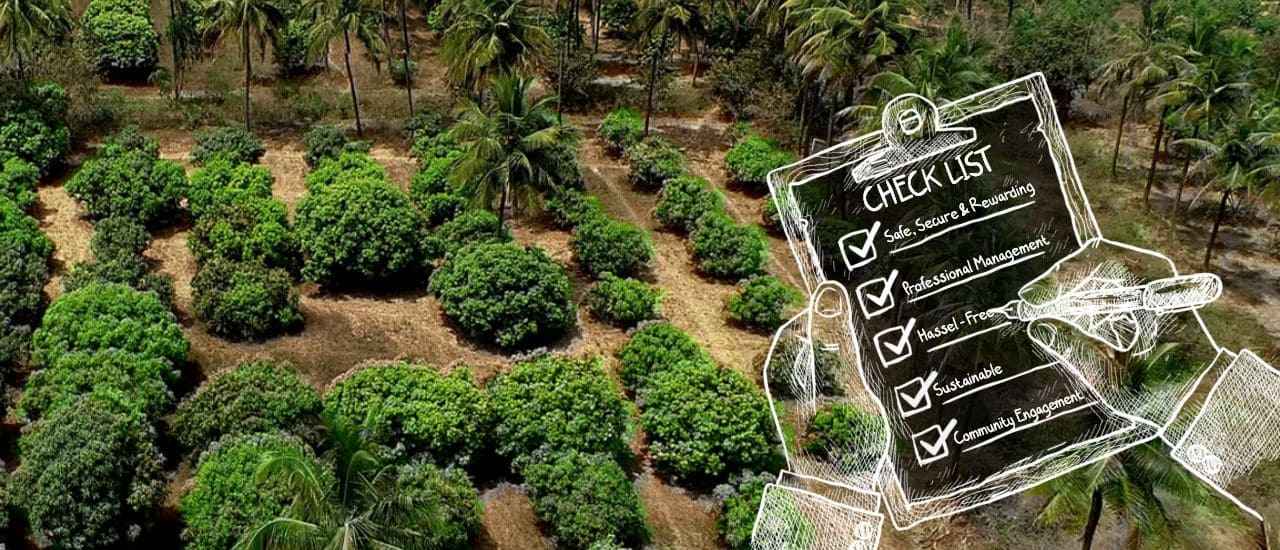
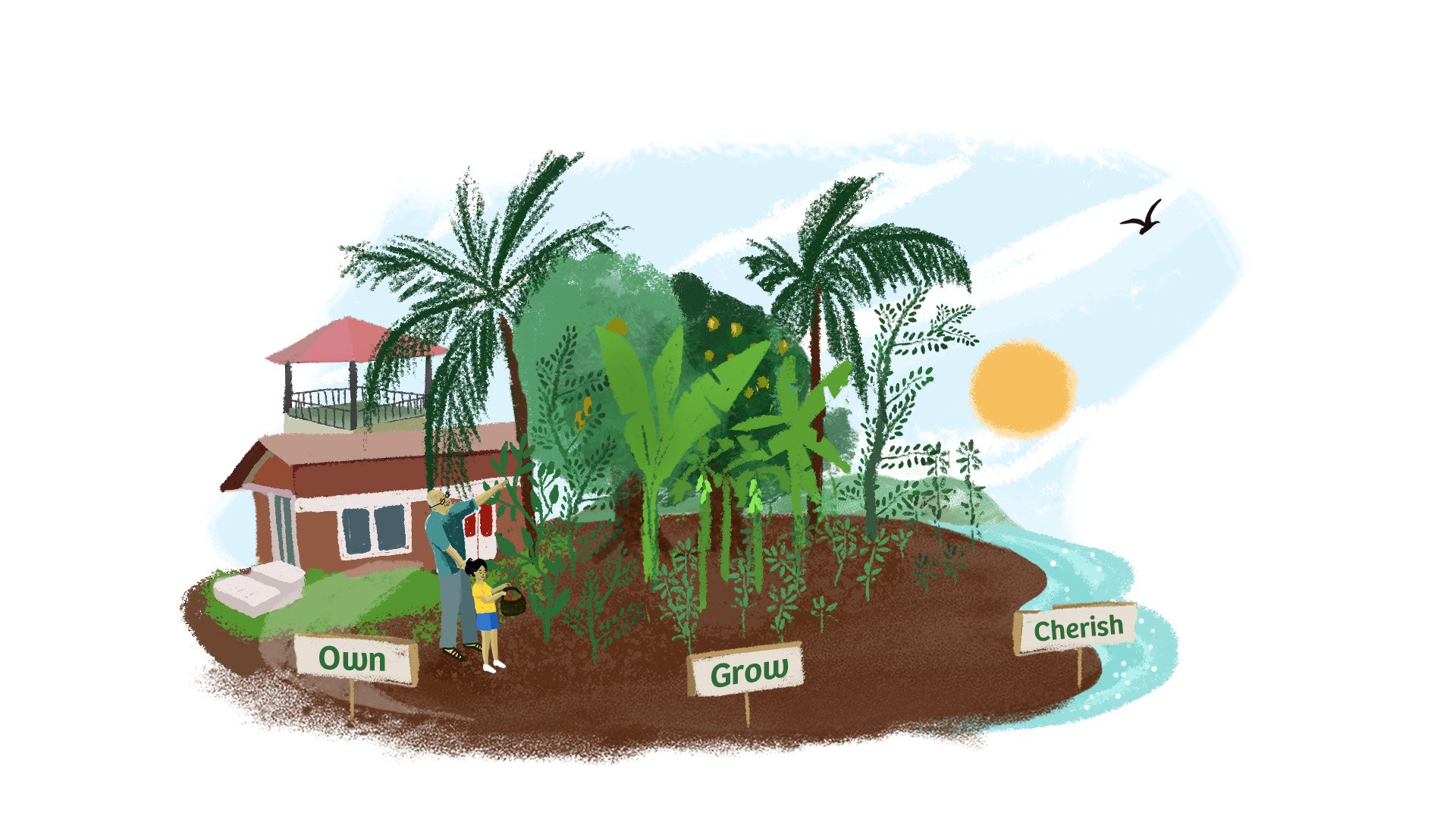
With managed farmlands, one can put all such concerns to rest; it certainly fits the bill. Investments should be safe, secure, and rewarding. So, are managed farmlands. It comes with a strong process orientation that adds value and maximizes the ROI making it a unique investment opportunity that provides proactive guidance and supervision to farmland property, making all the difference towards an ever-appreciating green asset. Owning a managed farmland is the best gift to cherish for life and a legacy that will pass on to future generations.
Managed Farmland Vs. Traditional Real Estate
Investment in real estate offers a steady source of income, lends stability to the portfolio, and allows leverage at low risk. Traditional real estate in an urban setup comes with a huge initial cost but has a very low ROI. According to ET Money, the average 10-year return on a real estate investment has been just about 10 percent.
On the contrary, managed farmlands can be highly productive land parcels depending on the type of management, plantation, and level of resource efficiency. With cyclical crops and timber plantations, there is a huge opportunity for wealth creation that is ever-appreciating in value, especially for new-age investors. The amended Karnataka Land Reforms Act, 1961, now permits any individual or institution from non-farming background to own agricultural land. It has massively opened up the market for investments in managed farmlands.
Benefits of owning a Hosachiguru-Managed Farmland
The primary objective of Hosachiguru-managed farmland is to adopt and implement sustainable practices, manage risk, maximize productivity, and reduce operational costs. Traditional farming practices coupled with tech-enabled farm management help to monitor the farm plantations and get real-time insights and quality yields. Tilling, planting, pruning, spraying, and irrigating are some of the routine operational and recurring activities which form a part of an efficient farm management system.
At Hosachiguru, individuals and families who invest with us are Co-farmers. Some of the benefits of owning Hosachiguru-managed farmland and being a co-farmer are as follows:
-
-
Hassle-Free Investment
- Hosachiguru-managed farmlands are a haven to invest in and are hassle-free. Legal titles and land ownership are thoroughly checked and carefully vetted by our competent legal team to ensure 100% transparency. Individual investors can rest assured about their hard-earned money.
- Agriculture and farmland owners often face the heat of uncertainty inherent in weather, yields, soil erosion, climate change, and biodiversity loss. With managed farmlands, professional teams with niche skills micro-manage farmlands with the tech-enabled system to deliver peace to the farmland owner.
-
-
-
Asset Value Appreciation
- We at Hosachiguru, an agricultural asset management company, ideally have our managed farmlands strategically placed close to urban centers allowing the investors to experience the benefit of compounding that results in a higher appreciation rate compared to their traditional investments made in the city limits
-
-
-
Environmental Benefits
- At Hosachiguru-managed farmlands, we aim to create a healthy ecosystem of tranquility, with attention to sustainability and eco-conscious practices. With intelligent systems in place, one can experience a forest ecosystem.
- Our co-farmers can enjoy increased farm income by executing plantations and farm forestry that offers environmental benefits to the land in terms of improved soil, water quality, and sustainable production. The long-term benefits are improved biodiversity, salinity, shelter for livestock and crops, etc.,
- With Hosachiguru-managed farmlands, a co-farmer is making a significant contribution towards the United Nations Sustainable Goals (SDGs-6,11,12) to transform our world.
-
-
-
A Perfect Weekend Gateway with Luxurious Amenities
- Housing in contemporary urban spaces is cramped and congested. These rabbit hutches are known for cheek-by-jowl living. According to the United Nations, the world population will touch 10 Billion by 2050, which can result in urban housing becoming even smaller. On the contrary, Hosachiguru-managed farmlands offer large open spaces which instill a new breath of life with a sense of serenity and calmness. It just does not only offer refuge but provides a much-needed recharge for our co-farmers with a space in the lush green and quiet area that will rejuvenate their mind and body.
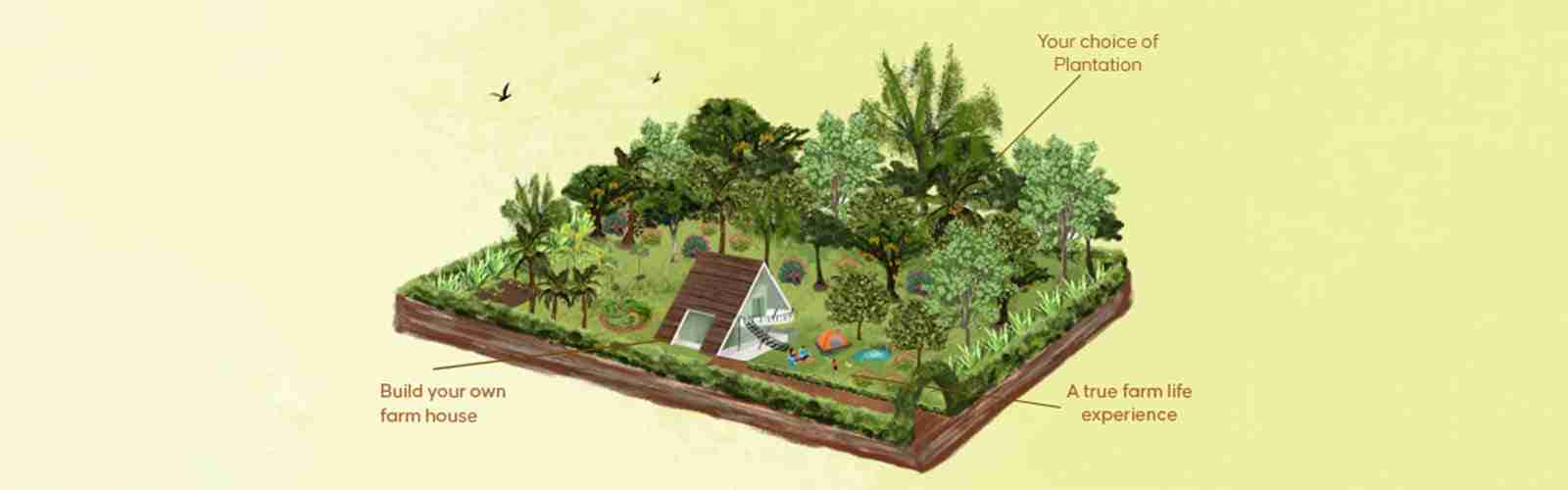
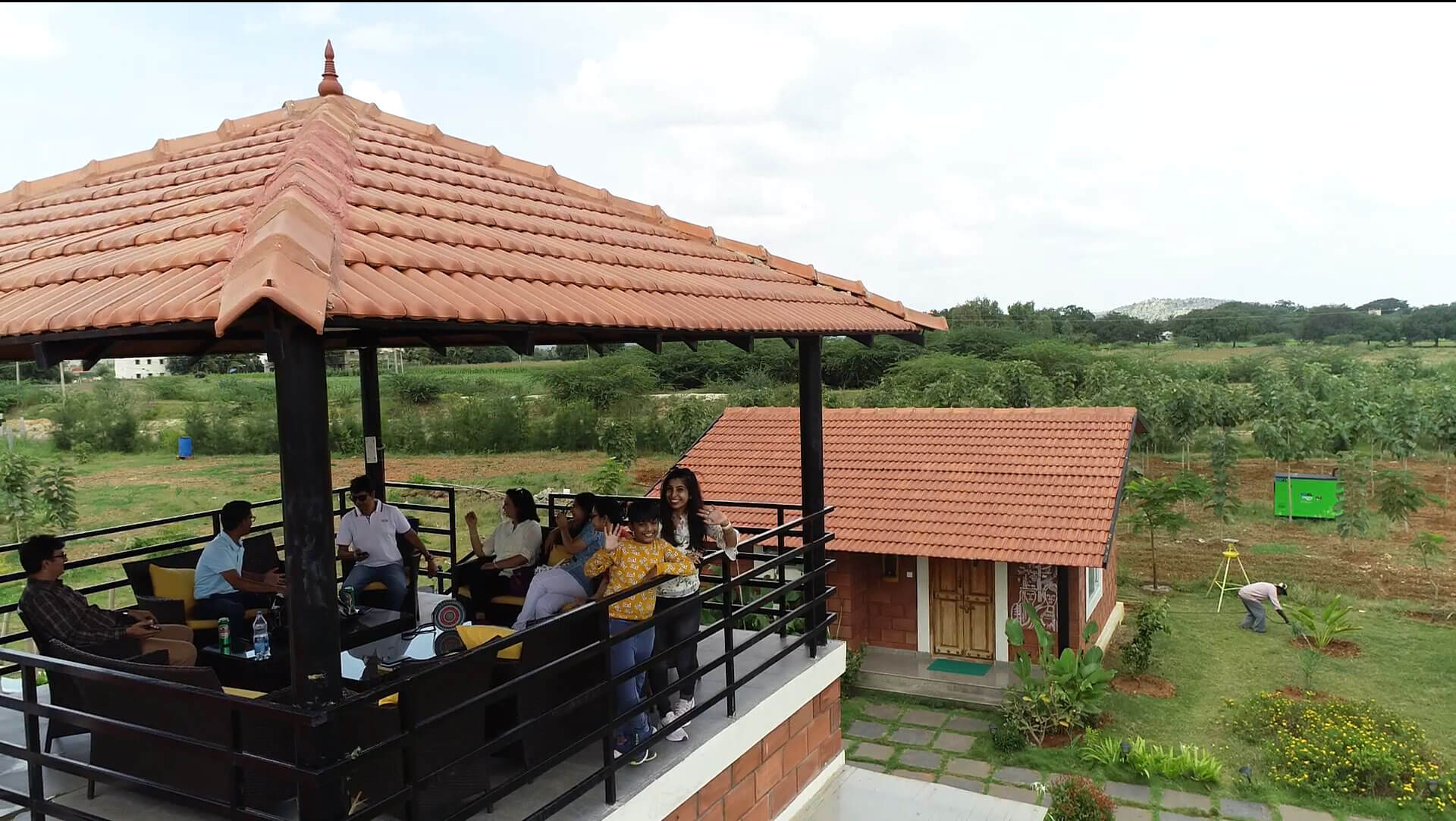
- Co-farmers at Hosachiguru-managed farmlands have an assured chance to live amidst nature with luxury at our cottages and resorts, reserved exclusively for them. Amenities like machans and view decks, bird-watching spots, meditation and yoga pods, etc., allow our co-farmers to relax and get away from their busy lifestyle in the city. Furthermore, with Hosachiguru-managed farmlands, our co-farmers can build their farmhouse on their farm plot and visit any time, any day. Well-managed water distribution systems ensure that water is available at all farm plots.
-
-
Tech-Enabled Managed Farmlands
- Every Hosachiguru-managed farmland is secure, sustainable, rewarding, and tech-enabled. Co-farmers have access to the in-house proprietary mobile app, the MyFarm app. It helps to keep track of every farming activity that happens on the farm plot. In addition, this app allows a co-farmer to be in touch with the Hosachiguru team for any requirements – vis-à-vis legal documents, payment updates, and doorstep delivery of fresh veggies.
- Technological interventions based on remote sensing, unmanned aerial surveying, soil sensors, moisture updates, etc., permit the ground team at Hosachiguru-managed farmlands to gather, visualize and assess crop and soil health conditions at different stages and pave the pathway to convenient and cost-effective approaches to farming with real-time Insights.
Conclusion
Hosachiguru-managed farmland
gives an urbanite a chance to go back to their roots and garner a wealth of experiences. These green assets will bridge the gap of meeting the needs of a family and also create an alternative lifestyle of peace, fun, and tranquility for urbanites – truly making it the safe green haven for which they have been craving in the concrete jungle. With managed farmlands, an individual shall certainly experience freedom from worry and anxiety and attain a sense of calmness, comfort, contentment, happiness, and pleasure. Owning a managed farm is a great way to get involved in agriculture and benefit from the land without the hassle of full-time ownership.
Author: Ruchi Renavikar | Nihal Anand
India’s highly variable climate, extremities of temperature and rainfall (eg. drought & flood), led to numerous innovations in water management techniques since the Indus valley civilisation. As a result of this, wells, pumps, irrigation systems, water storage systems and innovative, regional water harvesting techniques, developed over time. Even ancient Indian literature points towards an intuitive understanding of nature and its natural processes. Some traditional methods of rainwater harvesting such as, johads & Kunds (Rajasthan), kuls (Himachal Pradesh), bamboo drip irrigation systems (Meghalaya), Zabo (Nagaland), Eri (Tamil Nadu), Surangam (Karnataka), Ahar pynes (Bihar) are used even today. These traditional systems were intricately designed based on the climatic conditions, soil type and land elevation to harvest maximum rainwater during the heavy monsoons witnessed in India.
The continuous evolution of technology and Ai based models that support decision making have now set water management in agriculture on a new trajectory. Although one can never completely replace or mimic natural ecosystems, Ai in water management helps in understanding and analysing when a plant is stressed due to either scarce or excess water supply. Both these conditions are detrimental and fatal to plants if not corrected immediately. Ai models are programmed to assess the optimum level of water required for a plant based on a nexus of interrelated factors such as: plant type, species, climatic data, temperature, soil moisture, soil type and the irrigation system as well. With the advent of automated irrigation systems, human error of approximation can also be eliminated when coupled with Ai models.
How does irrigation automation help in saving water?
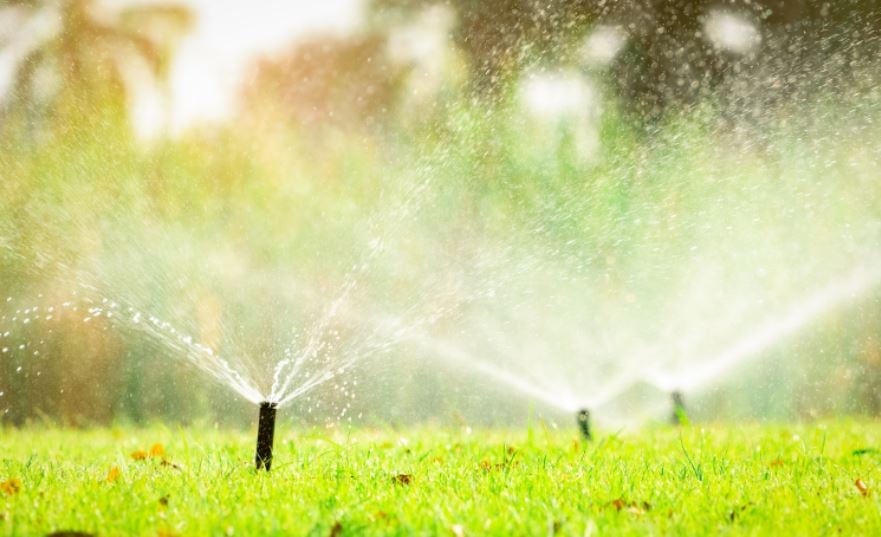
When linked to the soil moisture sensors, the automated irrigation systems can be programmed to sense the area’s dryness and irrigate the land. This can help save water in the following ways:
- It will irrigate the land only when the plant is thirsty.
- It will avoid excess irrigation by stopping the water flow as soon as the sensor gives an ideal reading. Leaching of soil nutrients is a frequent, undesirable occurrence that results due to excessive moisture in the soil, something that can be easily avoided by such smart irrigation systems.
- Different soil types might be present in the same piece of land, each with a different water requirement. Manually irrigating these zones without over-irrigating or under-irrigating is a logistical nightmare. A smart irrigation device will take into consideration the soil retention capacity of each of the soil types, and customize its water flow so as to keep the moisture content ideal.
What are the benefits of smart water management systems?
- As mentioned above, smart irrigation can help save water, time, and costs, by bringing down manual labour through automation
- Irrigation motors can be switched on and off with the push of a button, sitting miles away; they can also be used with either run time or water flow as a variables
- Soil dryness and Leaching can be brought down to a bare minimum by the soil moisture sensors recognizing the water requirement of the plant
What are the best methods to harvest water and make it sustainable for both farm operations and the environment?
- Rainwater harvesting systems (RWHs)
The most traditional form of rainwater harvesting, rainwater is captured on roof catchments and stored in groundwater reservoirs. The use of this rainwater can be intermittent, such as for irrigation during dry spells, or for the entire year for domestic uses. India’s primary source of freshwater is not actually rivers but the annual monsoons that feed the rivers. Therefore harnessing rainfall during this season is critical and anyone with a farming background will be familiar with this. Rainfall naturally seeps into the soil and fills the ground water table. The rainwater stored in the ground can be extracted using borewells. - Flood water harvesting (FWH)
In this additional form of rainwater harvesting, flood water is abstracted during the peak rainy season and stored in an underground tank that can later be used for irrigating the farm when water is scarce during the dry season.. - Microcatchments
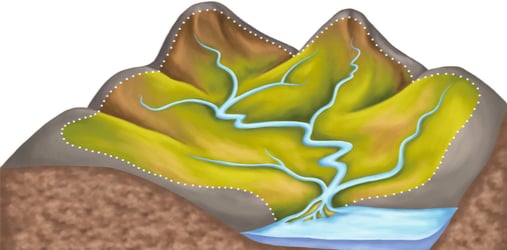
Microcatchments are designed to collect water from runoffs in a small catchment area. They are constructed in such a way that the runoff water infiltrates the soil and collects in the root zone, supplying water directly to the plants. On a larger scale, these microcatchments can lead to significant groundwater recharge.
According to the United Nations, 40% of the worlds’ population lives in areas of moderate to high water stress. However, this stress is not evenly distributed around the world. States like India, Mexico, USA and China rank among the fastest consumers of ground water sources. Agriculture in India, accounts of 90% of total groundwater use due to high levels of extraction and poor irrigation systems. We are using our groundwater faster than it can be replenished and therefore it is crucial that we put back the water that we are not using. Maintaining a balance in the groundwater table is essential to the functioning of natural ecosystems. The Gaia Hypothesis for example, embodies the same. The Gaia hypothesis is a greek concept for mother earth that suggests that “the Earth is a living organism with a complex feedback system that seeks an optimal balance in its physical and chemical environment”. Today, we may be able to achieve ground water balance through Ai supported machine learning systems. In essence natural systems are characterised by negative feedback loops and therefore are self-limiting in any scenario, however human controlled resource systems have positive feedback loops which are self-reinforcing. For example, ground-water extraction leads to more productivity on land and this leads to higher produce output which further leads to more groundwater extraction. Ai can allow us to create negative feedback loops that limit the over-use of groundwater in India.
With Ai, smart farmers are realising it is no longer necessary to uniformly apply fertilizers, pesticides and water across the farms. Instead, many farmers are realising that applying the minimum required quantity of nutrients and water is not only sufficient but beneficial for plant growth. Farms and agricultural industries are expected to run very differently than before. Advancements in technologies such as Ai, remote sensing, field sensors, drones, machines and information technology will make agriculture more profitable, efficient and environmentally conscious than ever before.

References
Tietenberg, T. & Lewis, L., 2012. Environmental & Natural Resource Economics. 9th ed. Boston: Pearson Education.
Nair, K. S., 2004. Role of water in the development of civilisation in India- A review on ancient literature, traditional practices and beliefs. The basis of civilisation – water science, Issue 286, pp. 1660-166.
Dhawan, V., 2017. Water and agriculture in India. Background paper for South Asia expert panel during the Global Forum for Food and Agriculture, s.l.: Teri, German Agribusiness Alliance, German Asia-Pacific Business Association.
Microsoft, 2021. News Microsoft. [Online] Available at: https://news.microsoft.com/europe/features/how-ai-and-satellite-data-are-helping-farmers-waste-less-water/ [Accessed 2nd March 2021].
Author: Ruchi Renavikar
India is an agricultural powerhouse with 60% of its land under cultivation (The World Bank, 2016). Despite India’s status as a global powerhouse, agriculture is a highly resource-intensive industry. In the last decade, unsustainable irrigation methods, fertilizer, and pesticidal abuse, poor soil fertility and over-tillage have perhaps been the most damaging factors to soil health and agricultural yield. As a result of declining crop yields, food prices have shot up. The Covid-19 Pandemic has placed immense pressure on the agricultural industry. As an essential service industry, it is therefore important to elevate efficiency in agriculture.
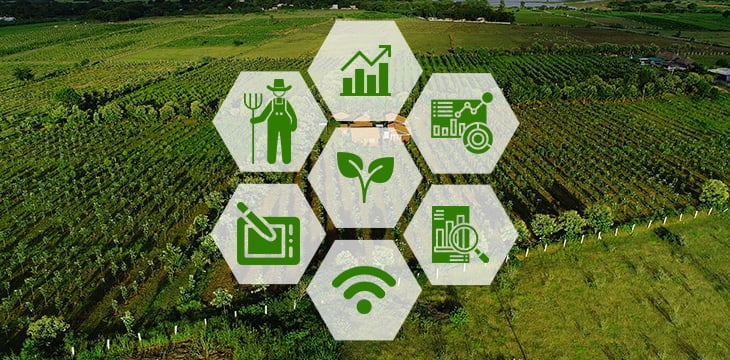
New trends in agriculture seek to enhance crop management under precisely measured conditions. Smart agriculture is the implementation of the Internet of Things (IOT), cloud computing & Artificial Intelligence (AI) to enhance agricultural yield while maintaining the integrity of the natural hydro-geological systems. The Internet of Things (IOT), is a three-tier system:
Tier 1 Perception Layer: It includes Sensors which monitor real-time data from the field.
Tier 2 Network Layer: It is a network of Devices (computers, PC’s, Hardware) used to collect and store real-time data.
Tier 3 Application layer: Utilises real-time data and combines it with specific prediction and analysis models to visualise and understand the raw data.
At Hosachiguru we combine the Internet of Things (IOT) system with Artificial Intelligence to analyse real-time data and create prediction models for weather forecasts based on trend analysis. This allows us to prepare our farm management practices based on predicted climatic conditions. Remote equipment operated from central data centres, smartphones or wireless devices, reduce manual labour, increase efficiency and associated costs. Over-all IOT and AI allows us to expedite work cycles and manage farms efficiently. IOT is changing the landscape of data monitoring into wireless devices that deliver accurate micro-climatic information. Smart irrigation systems which are automated through IOT system, allows monitoring of water flows into the farm along with recharge of natural aquifers. Our sensors, monitor and predict micro-climatic and soil conditions specific to each farm.

Hosachiguru farms use IOT & AI for:

Crop monitoring, Remote Irrigation, Disease control, Weather Forecasting (microclimate prediction), Signal controlling, automation of controls and processes, Soil and water monitoring.
What is unique about Hosachiguru management style, is that we employ traditional farming practices along with smart agriculture monitoring systems. Data Driven intelligence is used to guide implementation and management at our farms, giving customers optimum crop yield benefits. Integrating a sustainable systems approach to farming allows us to replenish the groundwater table and improve soil nutrient cycling, without using harsh chemical fertilizers. End-to-end farm management is more precise with smart agriculture systems. Our farms also remain climate resilient as forecasting micro & macro conditions, allows to us increase the preparedness of our technical and on-ground teams in taking informed decisions on irrigation, soil and crop management.

The following Parameters are monitored by our weather stations and individual sensors: (Devices used are solar-powered and can run for up to 1 month even during the monsoons)
- Temperature
- Humidity
- Air pressure
- Vapour-Pressure Difference
- Soil Temperature
- Soil Moisture at Primary Root Zone
- Soil Moisture at Secondary Root Zone
- Rainfall
- Leaf Wetness
- Lux (Illumination)
- Solar Intensity
- Wind Speed
- Wind Direction
Our devices are programmed to send us configured alarms on various parameters, when they exceed or dip below an optimum range. Data is continuously monitored over 24hours and can be manipulated to predict and prevent the attack of certain pests and diseases as well.
Monitoring agricultural systems in their natural environment also allows us to simulate and understand the complex relationships between different elements in the ecosystem. At Hosachiguru, we recognise the value of conserving and enhancing natural ecosystems. Our aim is to use precision agriculture to make educated decisions, supported by scientific research that is mutually beneficial for our customers and the environment alike.