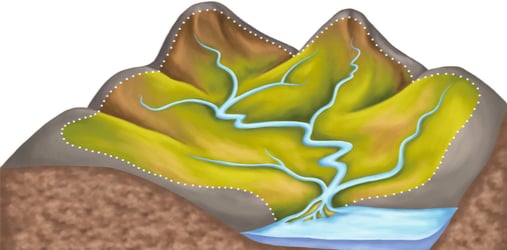
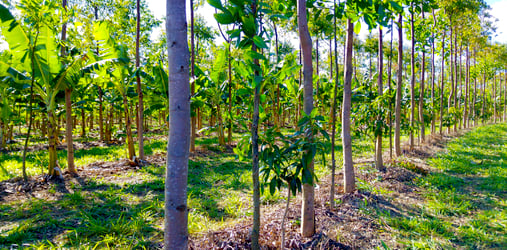
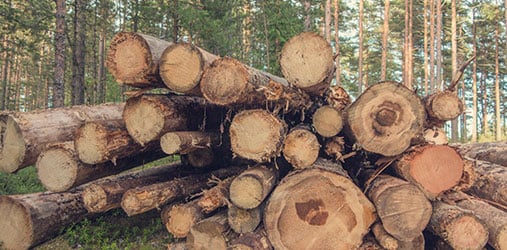
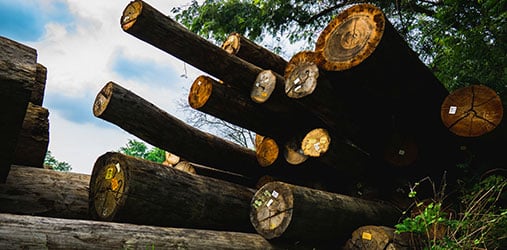
Agroforestry

Author :  Anmol Agarwal 

5 Mins Read

21st March signifies more than just a date—it’s International Forest Day, a time to reflect on the pivotal role forests play in sustaining life as we know it. From nurturing biodiversity to safeguarding human health, forests are our most reliable allies. As we commemorate this day, let’s delve into the myriad benefits forests offer and explore actionable steps to protect and preserve these precious ecosystems for generations to come.

 The Importance Of Forests For Biodiversity

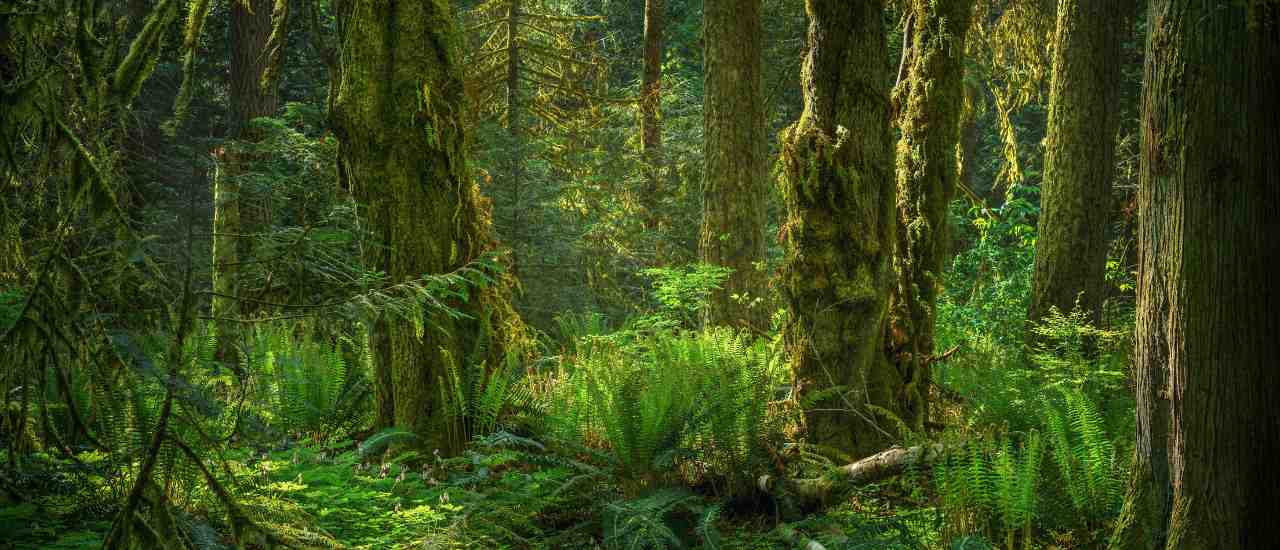
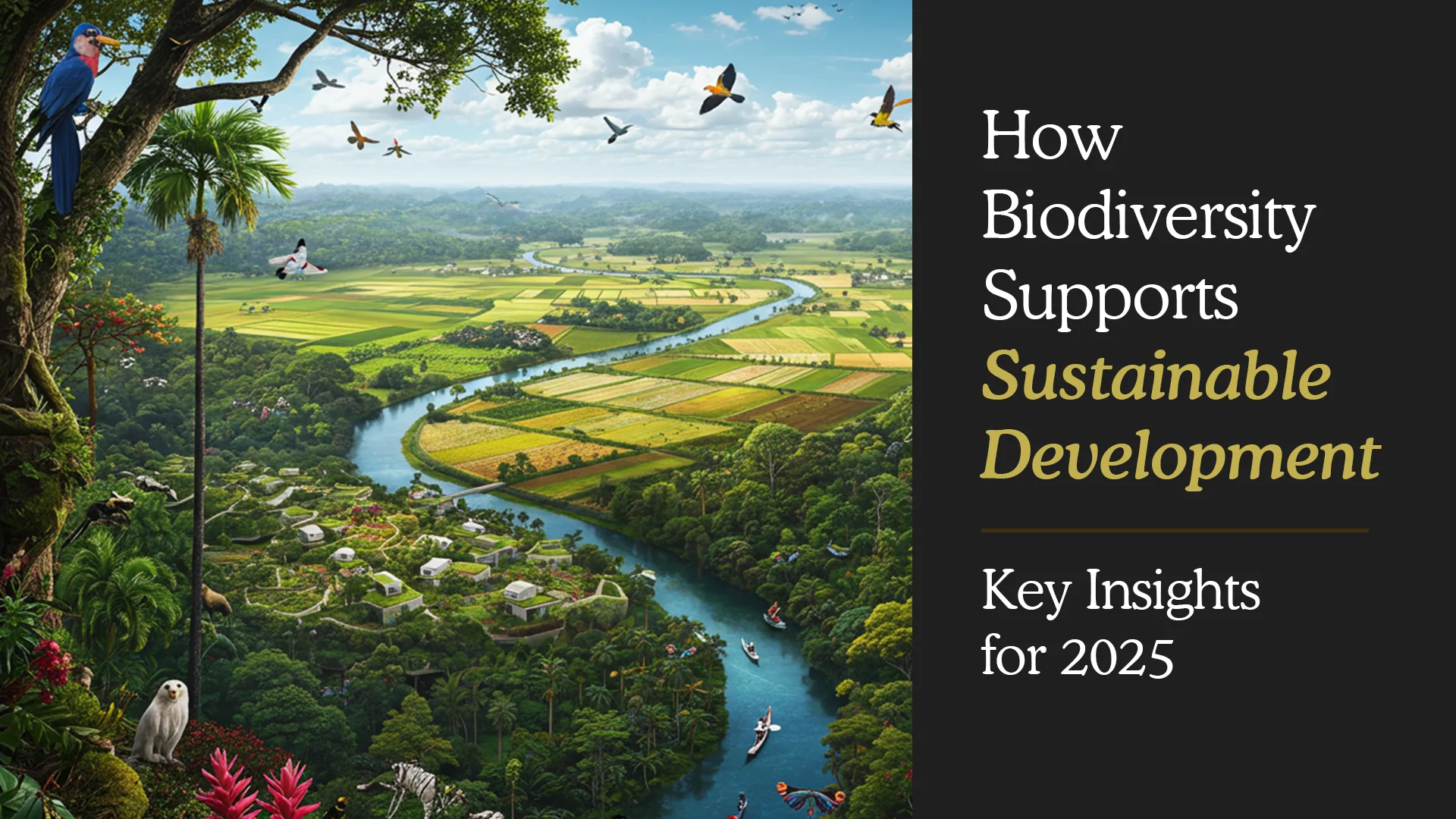
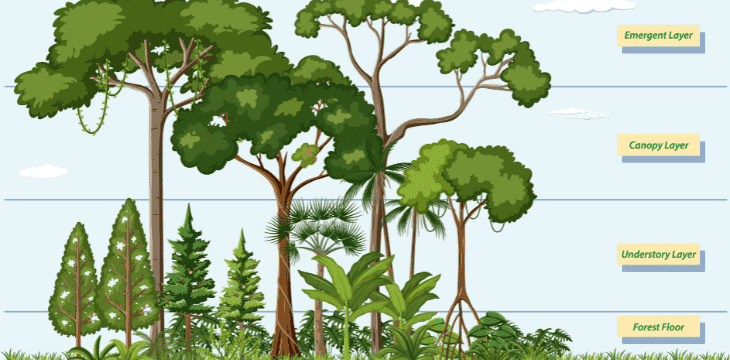
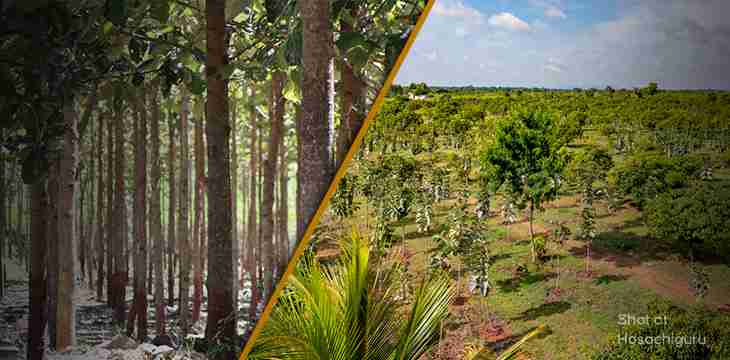
Forests are bustling hubs of life, offering homes to a rich tapestry of plants, animals, and tiny organisms. With their intricate layers – from the towering canopy to the bustling understory and the teeming forest floor – they cater to the diverse needs of countless species.

These green giants play a pivotal role in maintaining a harmonious balance of life. They don’t just stand idly by; forests actively work to sustain agriculture, ensuring long-term productivity, and nurturing healthy ecosystems. They’re not just patches of trees; they’re vital ecosystems, crucial for our planet’s well-being.

Forests play a crucial role in sustaining healthy ecosystems in following ways:

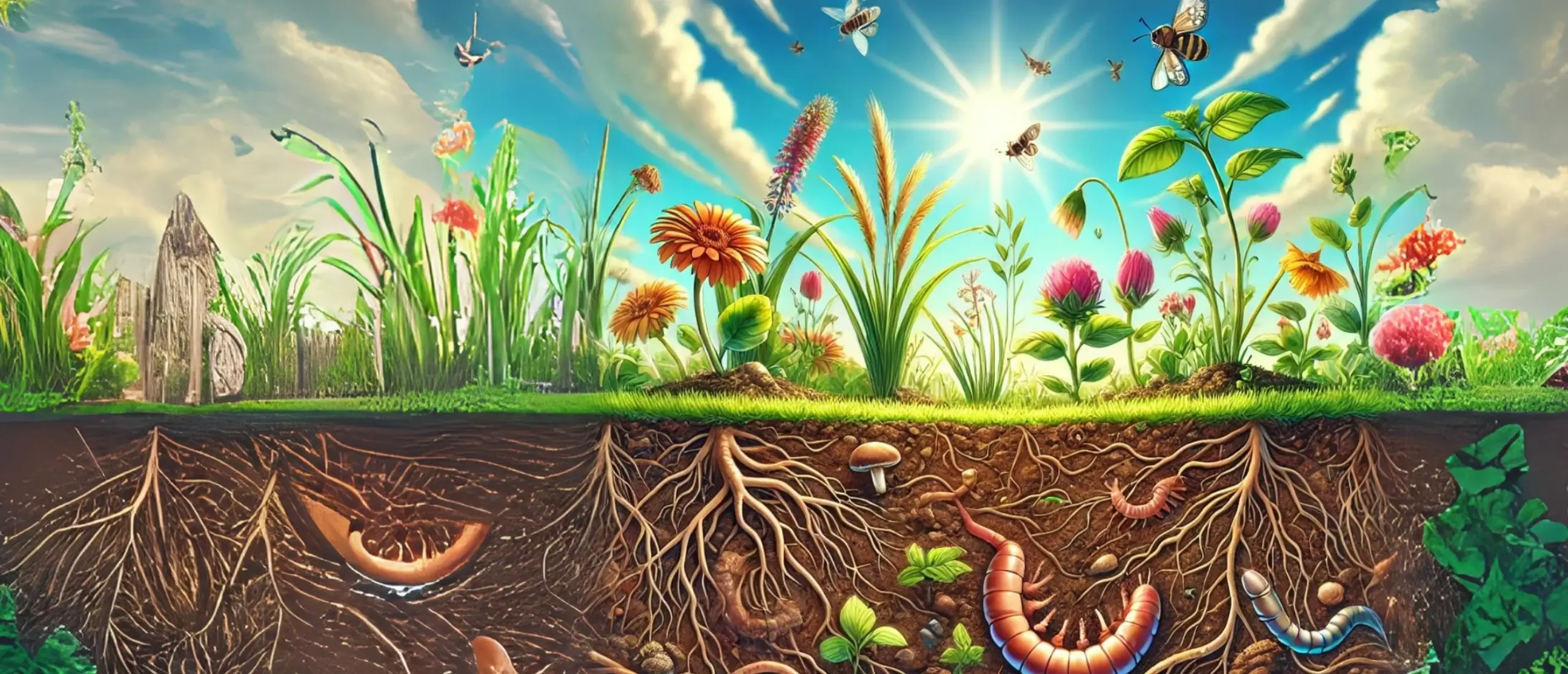
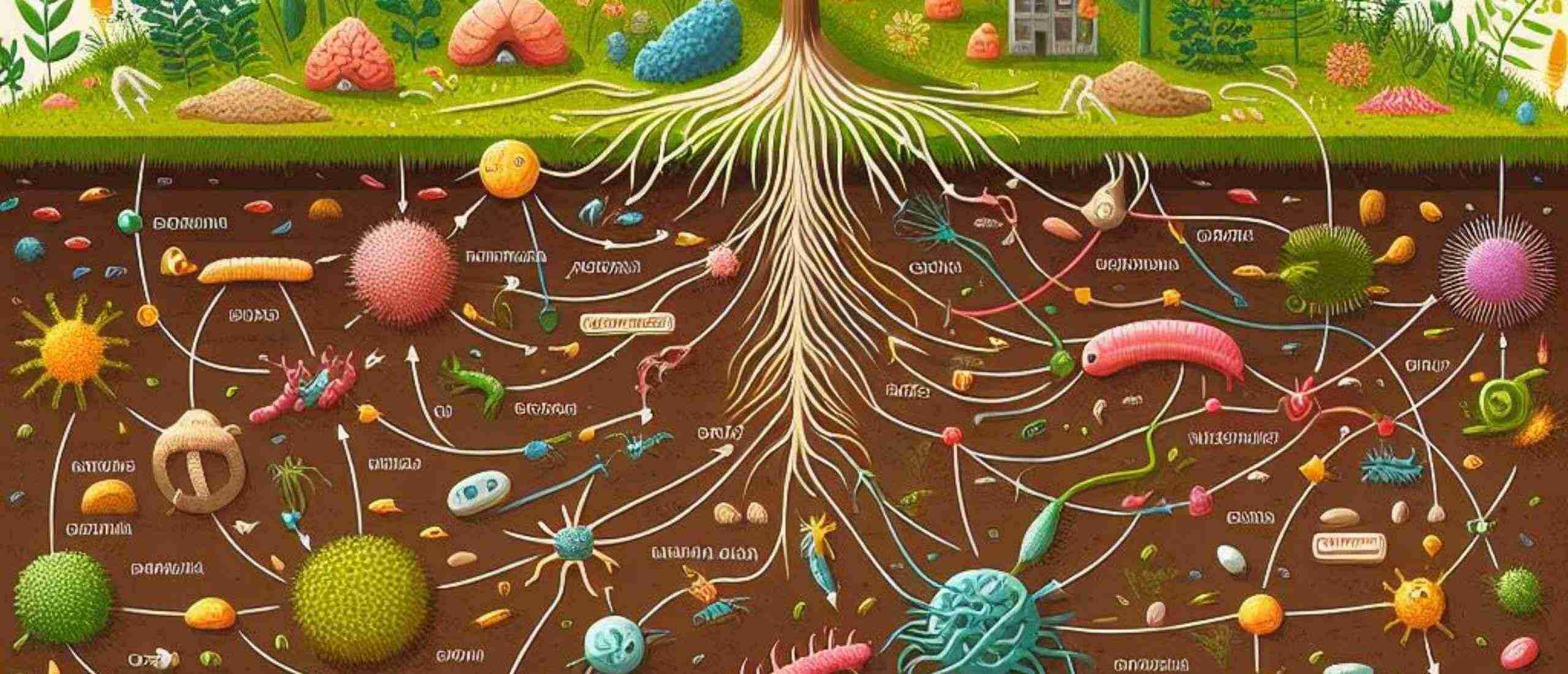
  • Nutrient Cycling: Beneath the soil’s surface, a bustling ecosystem of microorganisms tirelessly recycles vital nutrients like nitrogen and phosphorus, crucial for plant growth. These tiny organisms decompose organic matter, releasing nutrients into the soil and facilitating processes such as nitrogen fixation. As plants absorb these nutrients through their roots, they stimulate microbial activity, further enriching the soil and the cycle of life below ground.
  • Erosion Control: The dense vegetation comprising trees, shrubs, and ground cover plants serves as a formidable defense, intercepting rainfall and lessening the impact of raindrops on the soil surface. Furthermore, the accumulation of fallen leaves, branches, and organic debris creates a protective mulch layer on the forest floor, slowing down surface runoff and encouraging water infiltration, thus safeguarding against erosion. Forests act as nature’s shield, preserving the integrity of soil.
  • Organic Matter Decomposition: The breakdown of organic matter is a vital process that enriches soil with essential nutrients like nitrogen, phosphorus, and potassium, along with micronutrients crucial for plant health. This decomposition not only nourishes the soil but also enhances its structure by fostering aggregation, boosting pore space, and improving water retention and aeration. Moreover, as organic matter breaks down, it fuels microbial activity in the soil, driving nutrient cycling, soil respiration, and the formation of stable organic matter, essential for sustaining healthy ecosystems.
  • Regulating Climatic Changes: Forests play a vital role in mitigating climate change by acting as carbon sinks. Through photosynthesis, trees and plants absorb carbon dioxide from the atmosphere, storing it in their biomass and in the soil organic matter. As trees grow, they continue to capture and store carbon in their wood, leaves, and roots for years to come. Moreover, land management practices like agroforestry, no-till farming, mulching, and the addition of organic matter can enhance soil carbon sequestration, further reducing atmospheric carbon levels. By sequestering carbon and enhancing soil health, forests contribute significantly to regulating climatic changes, safeguarding the planet for future generations.

Forests And Human Health

Life means vitality and we humans get this vitality from nature, as we are made up of elements of nature – The Panchbhutas (earth, water, air, fire and space). Thus, nature holds the power to cultivate happiness within us.

Our profound connection to nature can be described by the term biophilia, reflecting a deep-seated affinity for the natural world. The serene beauty of lush green landscapes, the gentle rustle of leaves, the cheerful melody of bird songs, and the earthly aroma of forests evoke positive emotions that serve to alleviate stress and induce relaxation.

In the face of modern anxiety, a prevalent plague upon mental health, we find solace in practices like “shinrin-yoku”, the Japanese concept of Forest Therapy. By immersing ourselves in nature’s embrace, surrounded by its tranquil beauty, we experience a profound shift. This communion with nature yields tangible benefits, including reduced blood pressure, lowered cortisol levels, bolstered immune function, and enhanced cardiovascular health.

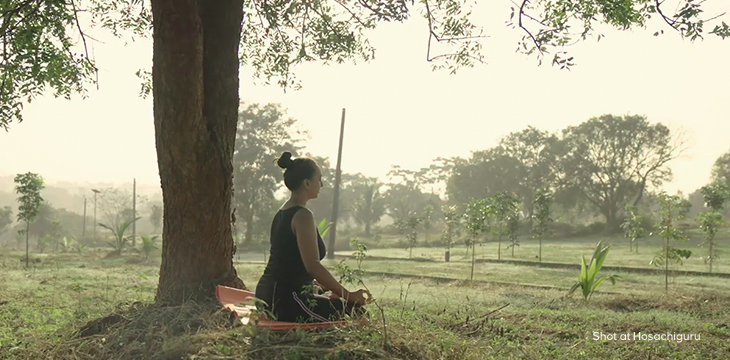
Another impactful activity that harnesses the power of forests to reduce stress and promote relaxation is walking barefoot on green grass, known as “earthing” or “grounding.” Through direct contact with the earth, we absorb its negative ions, believed to have mood-lifting and stress-relieving effects. These abundant negative ions possess extra electrons that may neutralize free radicals in the body, thereby alleviating inflammation, oxidative stress, and various health issues, while instilling a sense of positivity and peace.

Threats To Global Forests

Our earth is just home to three trillion trees, almost half of what existed before human civilization. As cities grow, they take away green spaces, which affects the weather and makes extreme events like storms appear more often. This threatens the forests and makes problems like wildfires and droughts even worse.

Nature plays a vital role in supporting human life by providing shelter and safeguarding us. Moreover, biodiversity ensures a rich food source derived from the microorganisms that enrich the soil, sustaining our dietary needs. Additionally, many medicinal discoveries stem from plants and fungi. However, our detrimental actions, particularly the use of harmful chemical fertilizers, pose a significant threat to this biodiversity, impacting both land and sea ecosystems.

Many people believe that restoration is the key to addressing ecosystem issues and often resort to practices like monoculture, planting large quantities of the same type of tree. However, it’s crucial to recognize that restoration efforts are effective only when executed correctly.

Monoculture, characterized by one dominant species, undermines the essential biodiversity needed for a thriving planet. Continuously growing the same crop in one area can lead to imbalanced nutrients and depleted soil, as specific nutrients are used up while others remain unused. This can result in soil erosion, compaction, and reduced fertility over time. 

Additionally, monoculture systems have lower capacity for carbon storage, decreased ability to retain and filter water, and diminished support for pollinators and beneficial soil microorganisms. The loss of these ecosystem services can have profound consequences for both human well-being and ecosystem health.

Innovative Forest Restoration Techniques

Nature possesses an innate capacity to flourish autonomously when provided with the right foundation. Let’s explore the strategies we can integrate to foster a thriving and sustainable green environment.

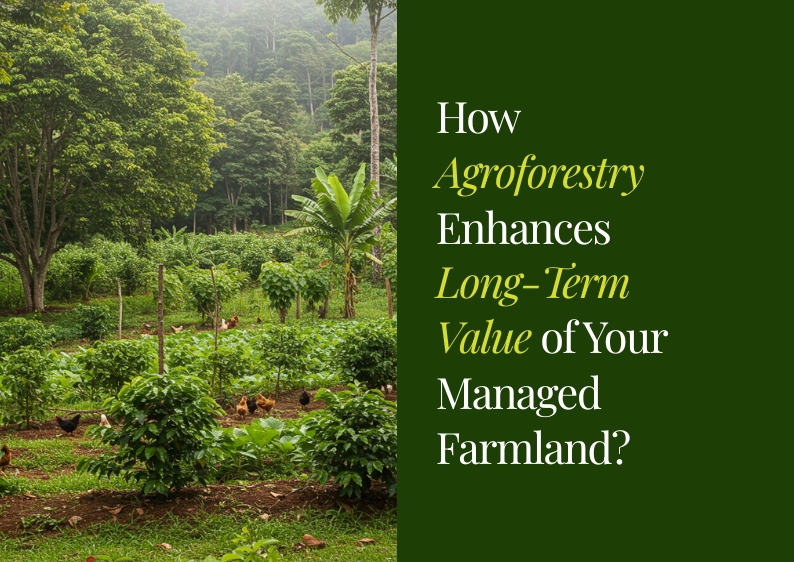
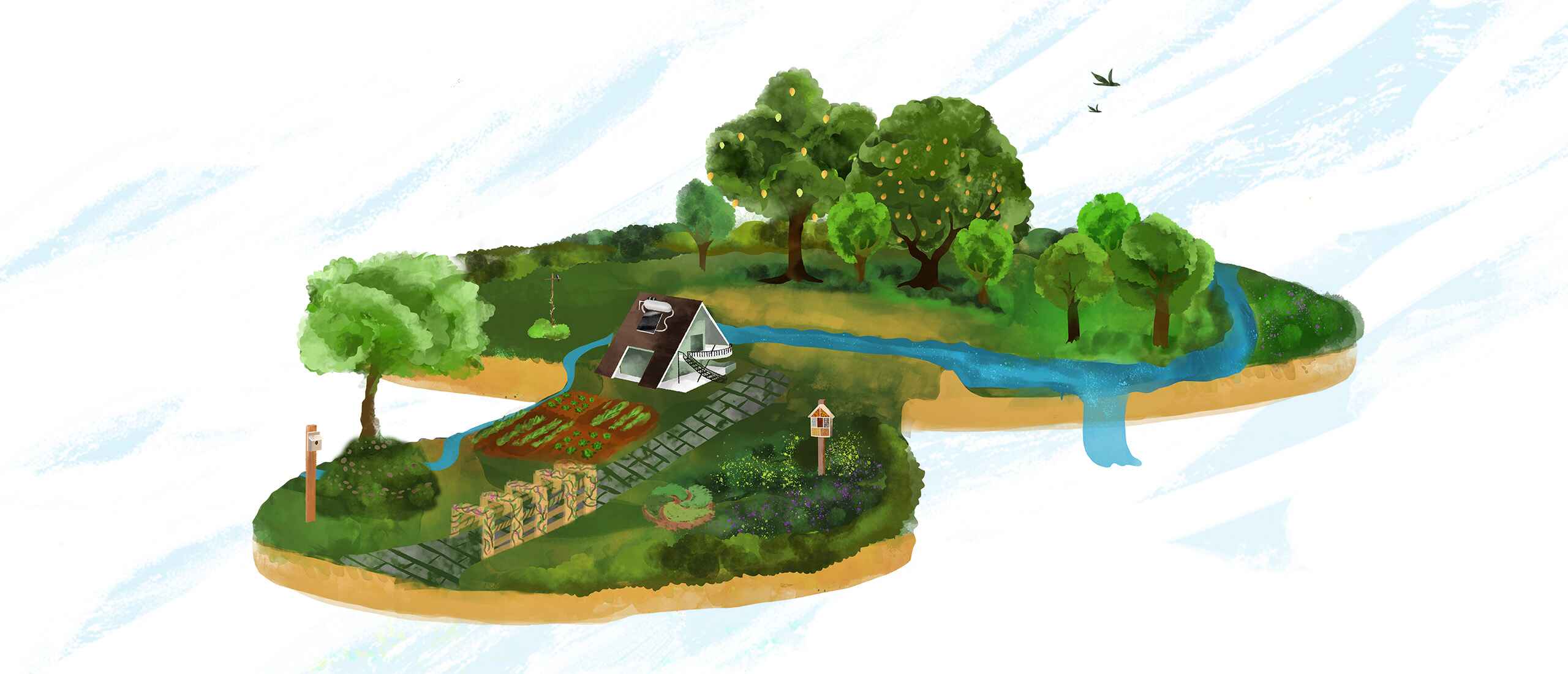
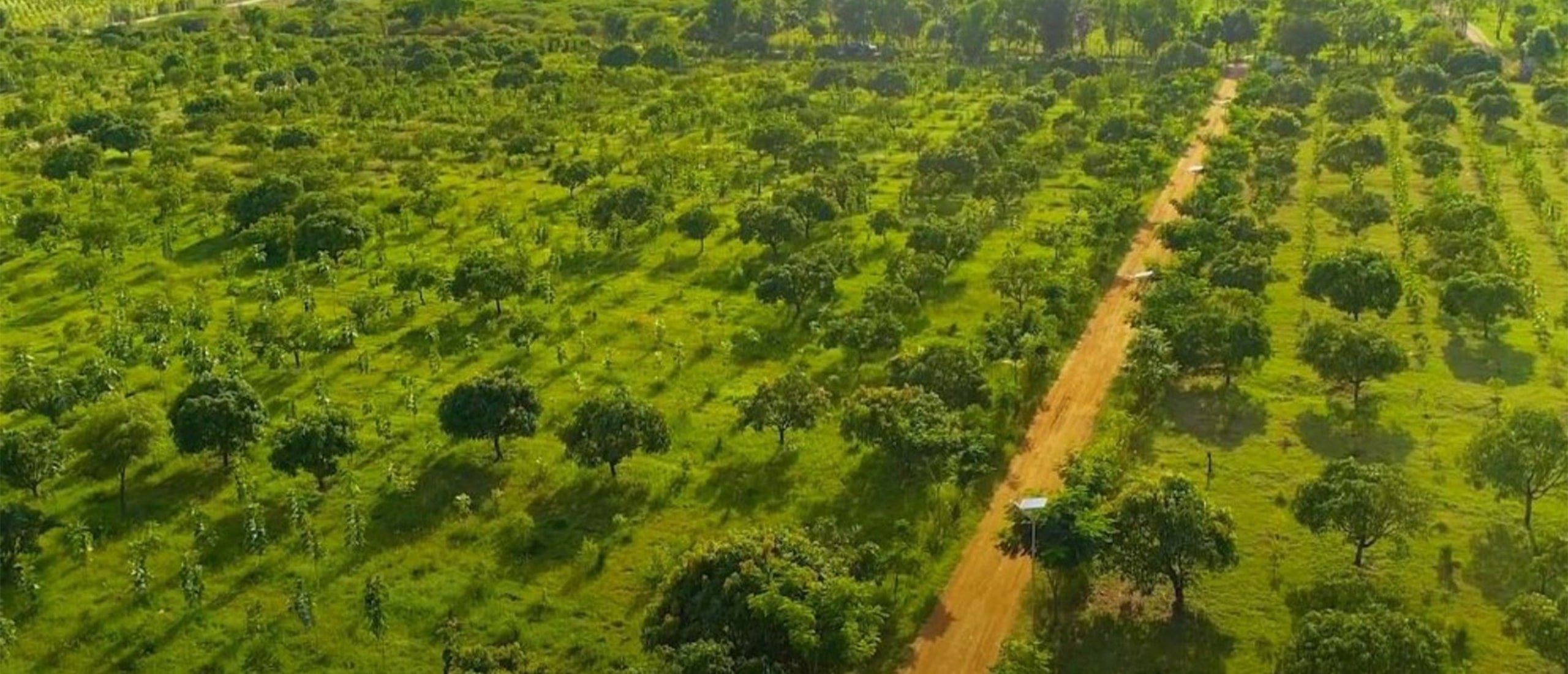
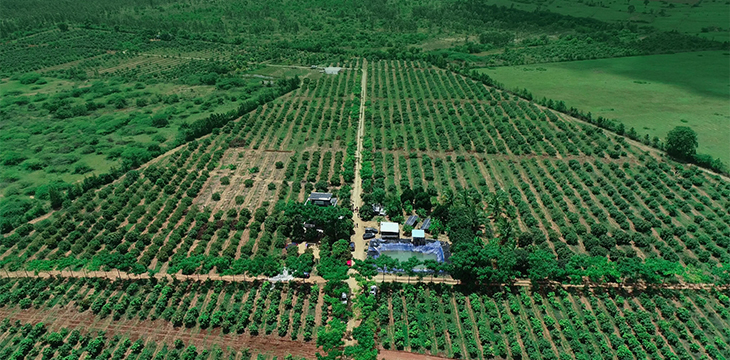
  • Agroforestry: This technique involves the integration of trees or woody shrubs alongside agricultural crops and/or livestock. It enhances biodiversity by creating habitats for a diverse array of plant and animal species. Additionally, it fosters the accumulation of organic matter in the soil, thereby improving its structure, fertility, and ability to retain water.
  • Regenerative Practices: Regenerative agriculture aims to emulate natural ecological principles to revitalize degraded landscapes and establish resilient, productive agricultural systems. This approach prioritizes the enhancement of soil health through various methods such as no-till farming, mulching, planting biomass crops, utilizing biochar, harvesting rainwater, and incorporating organic solutions.
  • Community-Based Initiatives: These initiatives involve the collective efforts of individuals committed to conserving natural ecosystems and promoting sustainable living practices. With their expertise, these communities work towards restructuring detrimental human activities that contribute to pollution, ultimately fostering a healthier planet. 

The Future Of Forests

The 2024 International Day of Forests theme, ‘Forests and Innovation’, prompts reflection on the innovative approaches needed to protect our forests. Yet, in safeguarding forests, sometimes the most effective solutions lie in ancestral wisdom, using natural elements from plants and animals while avoiding synthetic interventions.

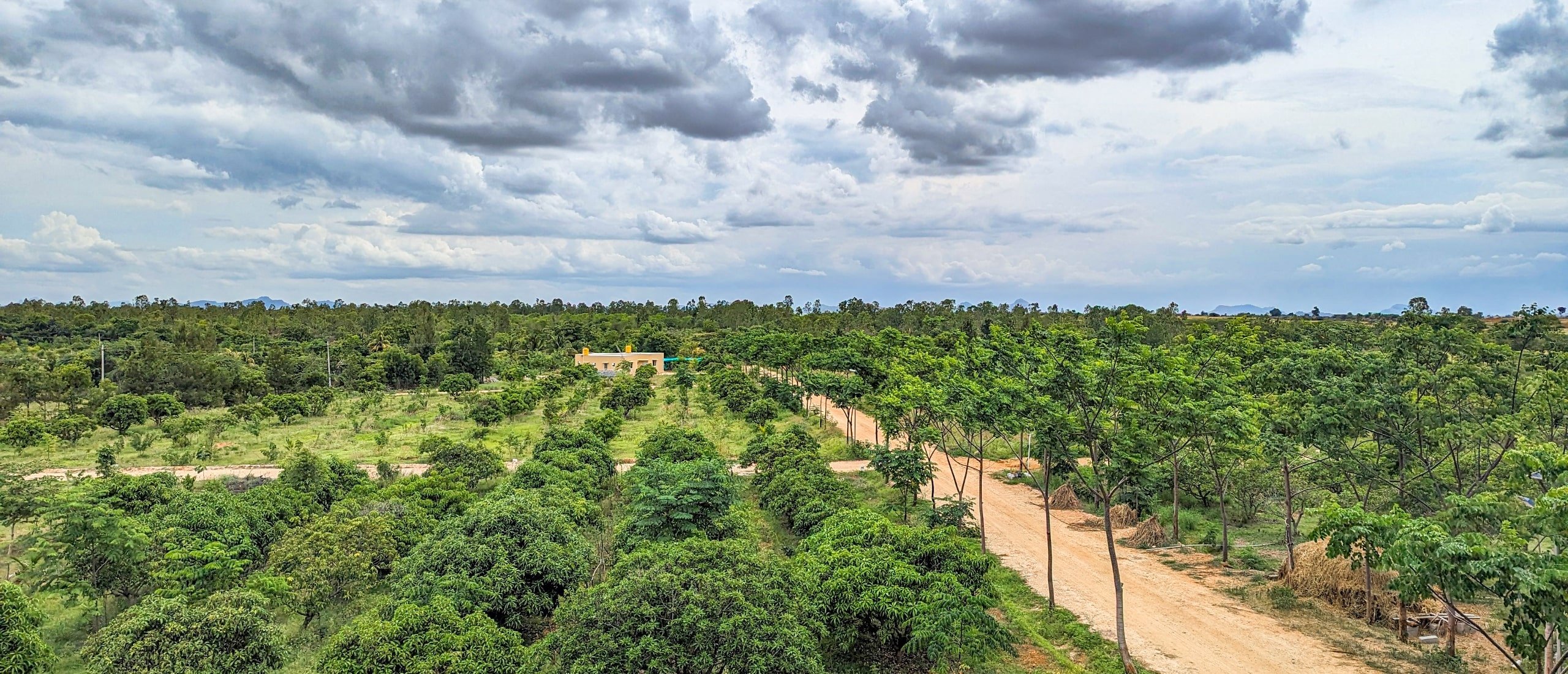
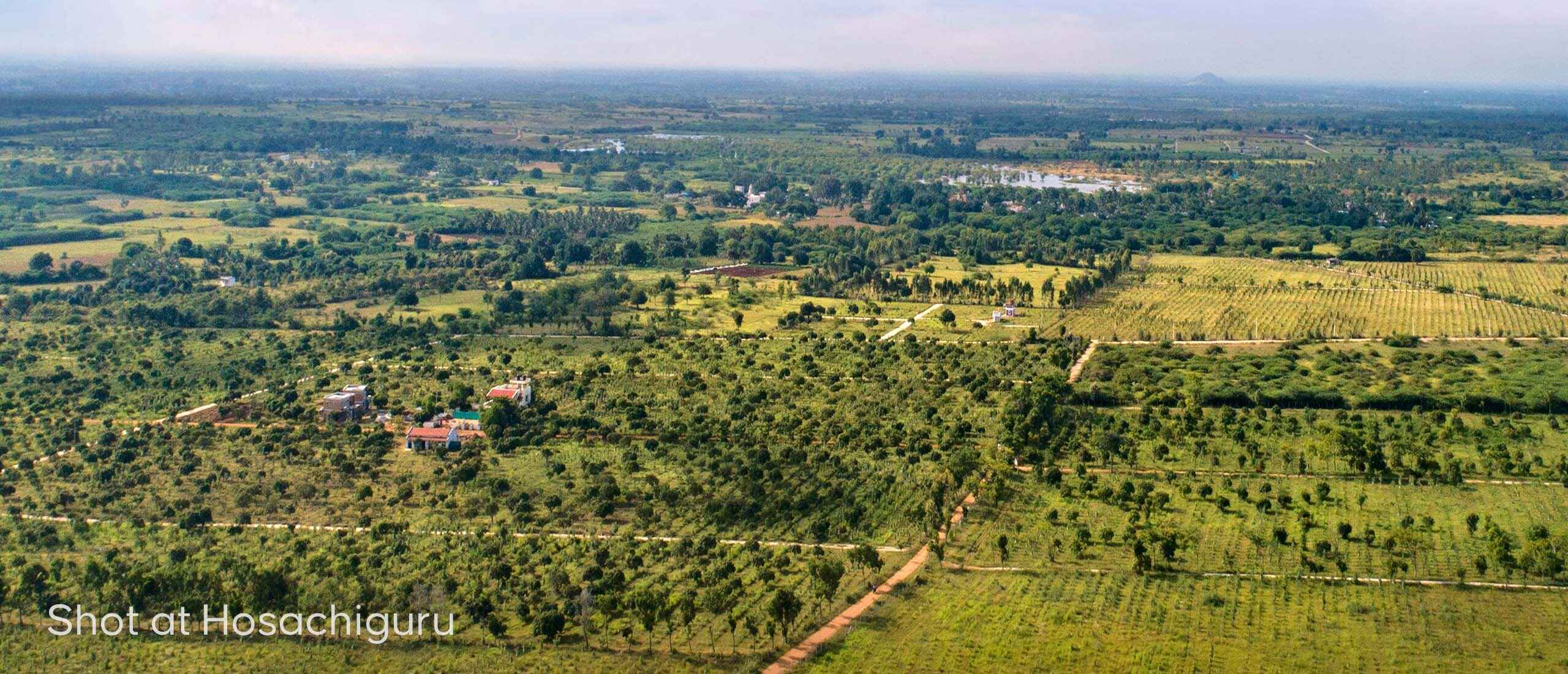
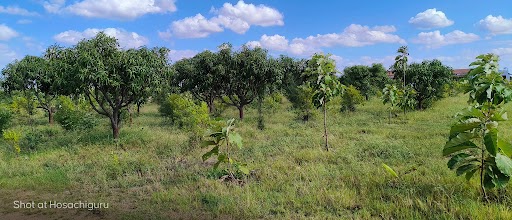
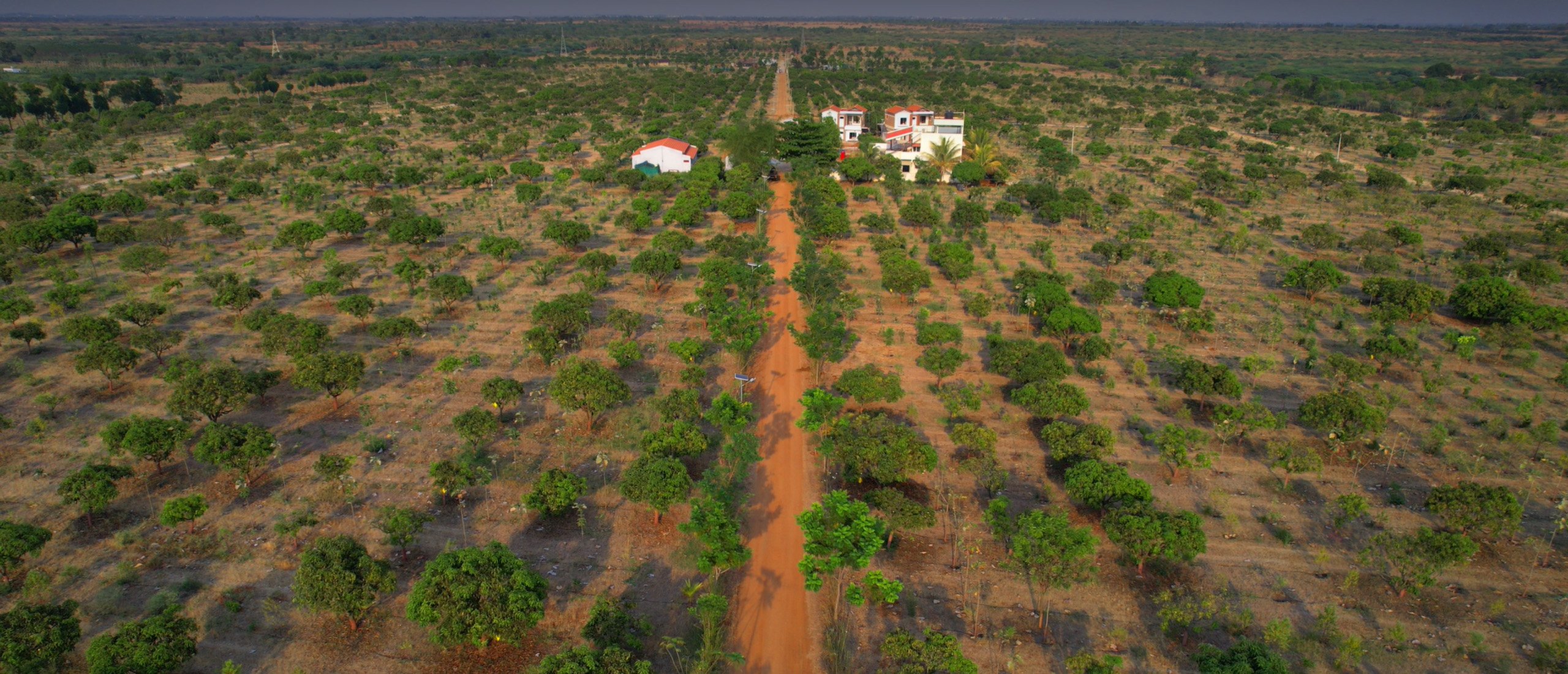
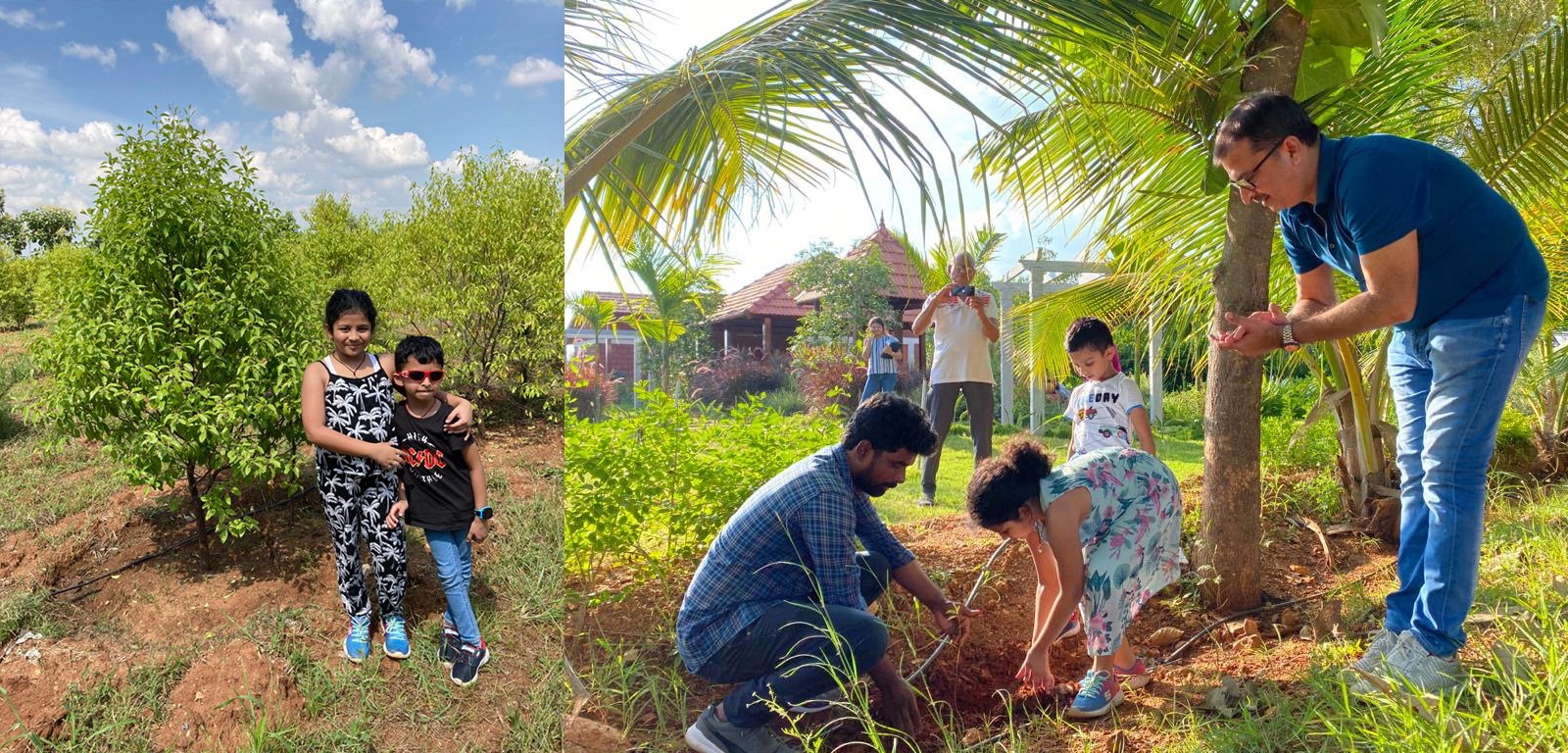
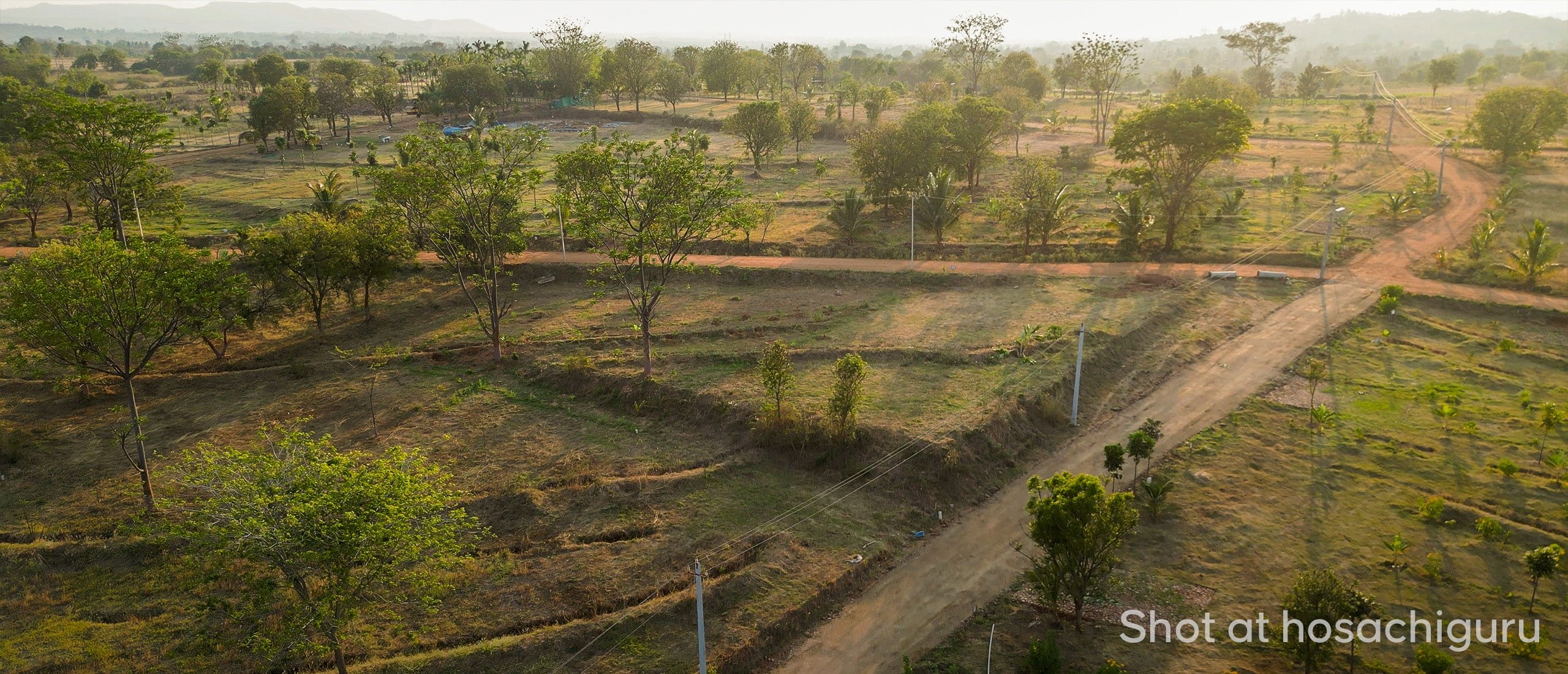
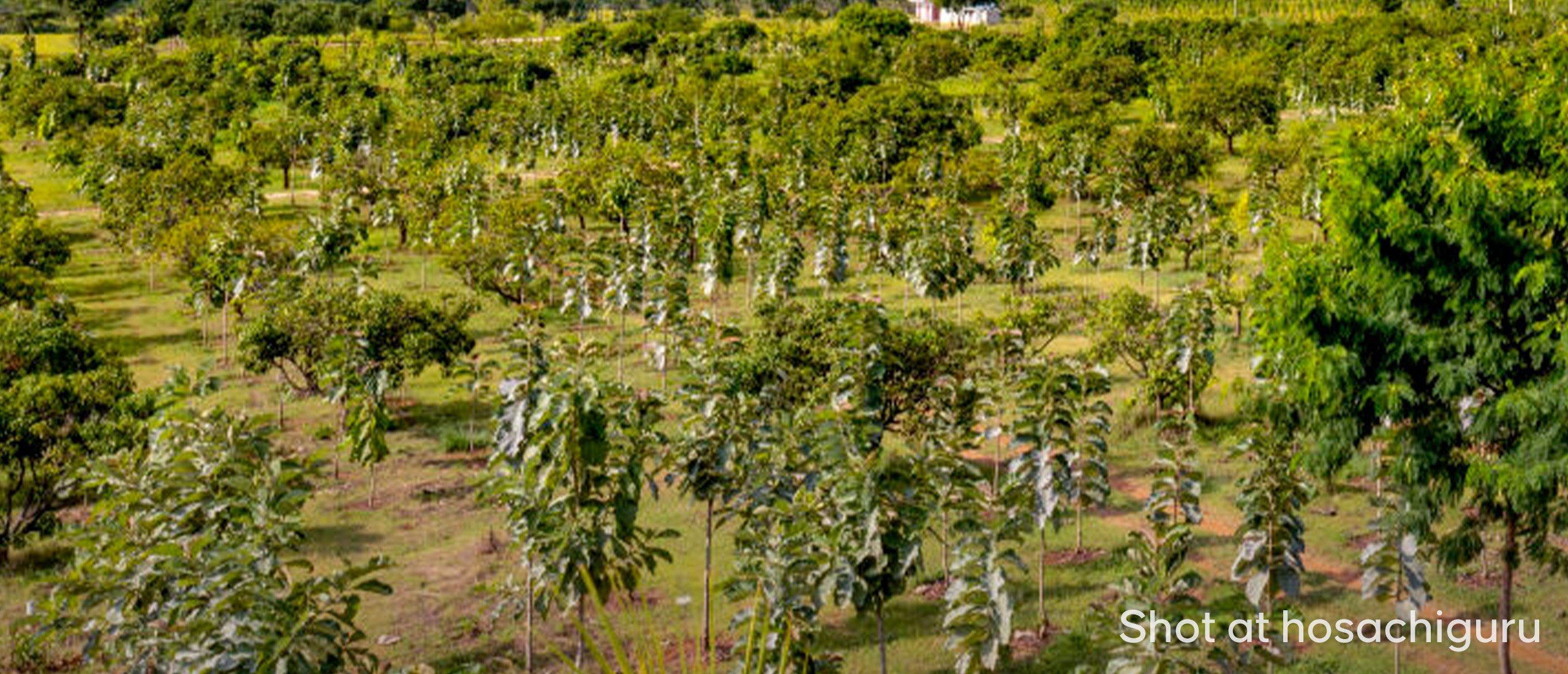
At Hosachiguru, we’re dedicated to preserving natural habitats by cultivating diverse tree species that mirror natural ecosystems. Through regenerative practices, we minimize external impacts, allowing nature to thrive independently. Supported by our passionate eco-community, we and our co-farmers today have grown over a million trees in our managed farmlands, and we strive to cultivate green spaces that nurture both our planet and our souls.

This International Day of Forests join the movement for positive change and invest in agricultural lands, plant trees, and become part of the solution. Let’s cultivate a greener future together.

Author – Srinivas Abhilash

Above our heads, there’s more to the sky than meets the eye. As we look up, we encounter Earth’s layers, like the stratosphere, which is a bit like the different floors of our planet’s atmosphere. Now, imagine these layers as protective shields. The stratosphere is where we find the remarkable ozone layer.

This invisible shield, called the ozone layer, acts like Earth’s protective cloak. It’s our defense against the sun’s harsh rays, which can cause skin problems, eye issues, and even affect our food. The ozone layer’s job is super important. It lets us enjoy the sun’s good stuff while keeping the bad stuff away.

But here’s the trouble: this shield is weakening, and it matters to all of us, no matter where we live. Ozone troubles aren’t confined to one spot; they concern the whole planet.  We have one sun, one moon, one earth, and one ozone layer, few offenders but collective consequences. That’s why it’s crucial to keep this shield in good shape. As damage to it grows, more of this harmful sunlight reaches us. 

The “ozone hole” over Antarctica experiences the most severe ozone damage due to its unique climate conditions. In Antarctica, during the spring months of September to November, it becomes extremely cold. This cold weather leads to the formation of special clouds called polar stratospheric clouds.

Inside these clouds, certain harmful chemicals break down and release chlorine and bromine atoms. These atoms are troublemakers for the ozone layer. They attack and break apart ozone molecules, which creates the “ozone hole.” Unfortunately, these holes in the ozone layer influence our weather patterns. Since ozone is a greenhouse gas, the breakdown and anticipated recovery of the ozone layer affects Earth’s climate. A 2023 report by the United Nations noted that the Antarctic and Arctic ozone holes are expected to recover by 2066 and 2045, respectively. 

But here’s the bright side: scientists say we’re making progress in healing the ozone layer. And guess what? It’s not just scientists who can make a difference. Each one of us can help. How? By taking steps to reduce the greenhouse gases we release into the air, like the ones that come from our cars, factories, etc..

As we mark Ozone Day, let’s delve into why this hidden shield is so important for our survival and our ecosystem. We’ll discover how it shields us and see how our actions, whether large or small, can contribute to the solution. Get ready to explore the story of the ozone layer, a story that impacts every living being on our planet.

Ozone Depletion and Ultraviolet (UV) Radiation

Ozone depletion, particularly the thinning of the ozone layer in the Earth’s stratosphere, has far-reaching consequences for the environment. One of the significant impacts is its influence on atmospheric patterns, which in turn can disrupt ecosystems, alter plant life cycles, and affect the food chain. Here’s an explanation of how this process works:

The ozone layer in the stratosphere acts as a shield that absorbs and filters out a substantial portion of harmful ultraviolet (UV) radiation from the sun. UV radiation, particularly UV-B and UV-C, is harmful to living organisms as it damages DNA and proteins.

Effects on Plant Life:

Plants are sensitive to UV radiation, and excessive exposure can damage their DNA, slow growth, and reduce photosynthesis. This surely disrupts their natural life cycles and decreases their overall health and productivity.

Impact on Food Chain:

Plants are the foundation of most terrestrial and aquatic food chains. When plant life is affected by increased UV radiation, it has a ripple effect throughout the ecosystem. Here’s how it disrupts the food chain:

  • Herbivores: Herbivorous animals, such as insects and grazers, depend on plants for food. If plant populations decline or become less nutritious due to UV damage, herbivores may face food shortages and decreased reproductive success.
  • Carnivores: Carnivorous animals depend on herbivores for their sustenance. A reduction in herbivore populations can lead to food scarcity for carnivores, potentially affecting their survival and reproduction.
  • Top Predators: Even top predators at the apex of the food chain can be indirectly impacted. Reduced prey populations can lead to competition for resources among predators, which tends to destabilize ecosystems.

Marine Ecosystems and Plankton:

Ozone depletion also has profound effects on marine ecosystems. Phytoplankton, which are microscopic plant-like organisms that form the base of marine food webs, are particularly vulnerable to increased UV radiation. When UV levels rise, it inhibits phytoplankton growth and reproduction. This, in turn, affects the entire oceanic food chain.

Zooplankton, which are tiny animals that feed on phytoplankton, are directly impacted by reduced phytoplankton populations. They, in turn, are a crucial food source for many marine species, including fish and whales. If plankton-dependent animals struggle to thrive due to diminished phytoplankton, it can lead to declines in these higher-level marine species.

Role of Agro and Food Forests In Healing the Ozone Hole

The creation of self-sustaining agro-food forests based on permaculture principles and regenerative farming practices represents a comprehensive strategy for healing the ozone hole. By addressing the root causes of ozone layer depletion, including greenhouse gas emissions and synthetic chemical use, this approach contributes to a healthier planet and a more secure ozone layer for generations to come. The details are as follows:

  • Oxygen Production
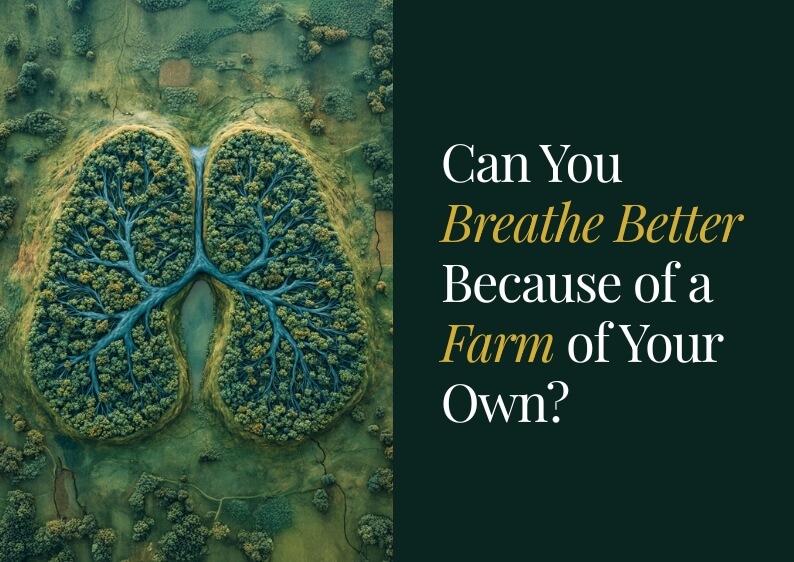
    • Trees are the lungs of our planet Earth and they absorb carbon dioxide, a greenhouse gas that contributes to ozone layer depletion, and release oxygen during photosynthesis. 
    • The more trees we have, the more oxygen they produce, helping to maintain a healthy balance in our atmosphere. 
      • At Hosachiguru, we embrace the innovative approach of Syntropic Farming. This method empowers us to cultivate abundant crops in compact spaces while fundamentally amplifying oxygen production. Our commitment to a diverse green canopy, comprising trees, plants, shrubs, and an array of perennial flora, fuels this extraordinary achievement.
  • Greenhouse Gas Reduction
    • Agro-food forests, which combine trees with food crops, act as carbon sinks. They absorb carbon dioxide from the air and store it in their biomass and soils. This reduces the concentration of greenhouse gases in the atmosphere, which in turn helps to safeguard the ozone layer.
  • Protection from UV Radiation
    • Trees provide a natural shield against harmful ultraviolet (UV) radiation. Their canopy blocks a portion of UV rays, reducing the amount that reaches the Earth’s surface. This protection benefits both human health and the environment. 
      • Co-farmers at Hosachiguru cultivate thriving Argo-food forests on their plots. Timber and fruit-bearing trees that fall under the Emergent, High, Medium, and Small categories based on their height are grown and nurtured. This thoughtful arrangement serves a dual purpose:
  • Firstly, it ensures that all trees and plants receive optimal sunlight, facilitating maximum photosynthesis. 
  • Secondly, it results in the creation of a substantial canopy, effectively shielding the soil below. This canopy not only preserves soil nutrients but also safeguards the vital microorganisms living within it from the harmful effects of UV rays.
  • Soil Health:
    • Agro-food forests improve soil quality and prevent soil erosion. Healthy soils contribute to a healthier environment by retaining nutrients and preventing the release of harmful substances into the atmosphere, which can indirectly impact the ozone layer.
  • Biodiversity Support: 
    • Growing a variety of trees and food crops in agro-food forests fosters biodiversity. A diverse ecosystem is more resilient to environmental changes, including those caused by ozone layer depletion. A variety of species means a better chance that some will adapt and thrive even in changing conditions. 
      • The agro and food forests across all Hosachiguru-managed farmlands represent thriving ecosystems teeming with vibrant biodiversity.
  • Reduced Energy Consumption: 
    • Shade provided by trees can reduce the need for air conditioning during hot seasons. By lowering energy consumption, trees indirectly reduce the emissions of ozone-depleting substances used in refrigeration and air conditioning systems.
  • Sustainable Agriculture: 
    • Agro-food forests promote sustainable farming practices by providing a diverse range of crops and reducing the need for synthetic fertilizers and pesticides. This, in turn, can decrease the release of ozone-depleting chemicals into the atmosphere.

Consumer Actions for Ozone Protection

Consumers can play a vital role in preventing ozone layer depletion and reducing their environmental footprint. They can start by choosing ozone-friendly products, properly disposing of appliances containing ozone-depleting substances, reducing energy consumption, supporting eco-friendly companies, conserving water, recycling, spreading awareness, advocating for environmental policies, and reducing greenhouse gas emissions. Staying informed about environmental issues is also crucial. These actions can collectively contribute to the protection of the ozone layer and a more sustainable planet.

Join the Fight: Co-Farming to Heal the Ozone Layer

When you invest in a land parcel with Hosachiguru, you don’t just become a co-farmer; you become an eco-warrior on a mission to transform our planet. You’ll actively contribute to the growth of lush agro and food forests on your farmplot, taking giant leaps in expanding green cover, carbon sequestration, and reducing greenhouse gases. These forests act as guardians, shielding the soil and vital microorganisms from harmful UV radiation while creating a thriving, self-sustaining ecosystem that mirrors natural forests. By investing in land with Hosachiguru, you’ll empower diverse flora and fauna to flourish. It’s your chance to be part of the solution, to heal the ozone layer, and to make a lasting impact. Take action now and invest with Hosachiguru to grow a greener, healthier future for all. Do your bit to heal the ozone layer.

Author – Srinivas Abhilash

In our rapidly changing world, the impacts of climate change have brought forth new and daunting challenges for life on Earth. One pressing concern is the alarming rate at which our forests are being lost. Each year, approximately 10 million hectares of forest, equivalent to the size of Iceland, fall victim to deforestation world over. This relentless destruction has far-reaching consequences for both habitats and livelihoods.

Forests are vital in combating climate change. They store immense amounts of carbon, making them the largest land-based reservoir on Earth. Forests clean water, purify the air, capture carbon, provide food, and offer life-saving medicines. Forest conservation, afforestation, and eco-restoration are effective, affordable ways to fight climate change.

To address this urgent issue, we must recognize the imperative need to increase forest and tree cover in India. This can only be accomplished when each individual takes responsibility and actively participates in tree plantation.

India’s commitment to forest conservation is reflected in the National Forest Policy of 1988, which mandates that 33% of the country’s geographical area should be under forest or tree cover. Encouragingly, according to the India State of Forest Report 2021, ‌forest cover now spans 7,13,789 square kilometers, accounting for 21.71% of the nation’s geographical area. This marks a significant increase of 67% from the 2019 reports. 

Reduction in Natural Forests

The State of Forest Report 2021 of India has registered a reduction in the area of “Moderately Dense Forests” which are also called “Natural Forests”. The trend is accompanied by a huge increase in areas under “Open Forests” indicating forest degradation in India. It is also worth noting that the “Scrub Area” has also shown an alarming increase which means the complete degradation of Forests.

Van Mahotsav – A Festival to Celebrate Forests in India

Van Mahotsav is an annual tree-planting festival in India that takes place from July 1st to July 7th every year. It was initiated by Mr. K. M. Munshi in 1950, the then Union Minister for Agriculture and Food of India, with the purpose of raising awareness about forest conservation and tree planting. The festival serves several purposes, such as enhancing fruit production, creating protective barriers for farming, supplying livestock with fodder, and encouraging the preservation of the soil.

This celebration presents a significant opportunity to promote afforestation and engage in tree plantation drives, thus safeguarding and conserving existing forests. By joining hands and actively participating with dedicated communities, such as the Hosachiguru-managed farmlands, individuals can play a vital role in contributing to this crucial cause. Each person has the power to make a difference in combating climate change by planting, nurturing, and caring for trees.

At Hosachiguru, we are committed to growing and managing agro and food forests along with our 700+ co-farmers on 1000+ acres of managed farmlands around Bangalore. We take pride in the fact that we plant and manage 250+ trees per acre on behalf of our Co-farmers at Hosachiguru and manage the farmlands near Bangalore for decades together. 

To help India achieve the benchmark of 33% ‌forest cover, we all individuals need to think big and start out small by owning a piece of agricultural land and growing trees. If managing it is a concern, we invite you to join hands and become a co-farmer with Hosachiguru where you own the land and we manage it for you. 

Plantation Drives and their Challenges

Plantation drives aim to grow large trees that sequester carbon and help the environment. However, many planted saplings die due to lack of care. To improve the chances of survival, it is important to take into account factors such as site location and species selection, correct planting methods, sufficient watering, ongoing maintenance, and active community participation. These measures will ensure the success of the drives and the long-term growth of carbon-sequestering trees.

Tree Plantation and Tree Care at Hosachiguru

At Hosachiguru, we prioritize the care and well-being of trees through various stages and steps. Here is an overview of our approach to tree maintenance:

  • Watering: Adequate watering is crucial for the health of trees. We ensure that trees receive sufficient water based on their specific requirements. We monitor soil moisture levels and use techniques such as drip irrigation or sprinklers to provide the necessary hydration.
  • Pruning: Regular pruning is essential for tree maintenance. We remove dead or diseased branches, shape the tree for optimal growth, and improve its structural integrity. Pruning also promotes airflow and sunlight penetration, reducing the risk of pests and diseases.
  • Protection: We take measures to protect trees from potential threats such as pests, diseases, and extreme weather conditions. This may include using organic/natural pesticides, implementing physical barriers, or providing support structures during storms or heavy winds.
  • Mulching: Mulching involves applying a layer of organic material around the base of the tree. This helps conserve moisture, suppresses weed growth, regulates soil temperature, and improves soil fertility. 
  • Compost Application: We enrich the soil around trees by applying compost. Compost provides essential nutrients, improves soil structure, and enhances microbial activity, promoting healthy tree growth.
  • Fertigation: It is the process of applying fertilizers through irrigation systems. We carefully analyze the nutritional requirements of trees and deliver appropriate fertilizers in precise quantities through drip irrigation. This ensures the trees receive the necessary nutrients for optimal growth and productivity.
  • Sprays: To protect trees from pests and diseases, we use targeted sprays. These sprays are chosen carefully, considering their efficacy, environmental impact, and safety for humans and other organisms. Our aim is to minimize chemical intervention and prioritize organic and sustainable alternatives whenever possible.
  • Replanting: In cases where trees need to be replaced due to age, disease, or damage, we ensure proper replanting. We follow best practices for tree transplantation, including site selection, root ball preparation, and post-planting care to maximize the survival and growth of the new trees.

Through these comprehensive measures, we strive to provide the best care for trees, promoting their longevity, health, and ecological benefits.

Conclusion

The co-farmers at Hosachiguru are at the forefront of a noble initiative, tree plantations. They are not only securing their own lives and families towards food security but also spearheading a vision to achieve a 33% forest cover in our country. Together, we can actively contribute to sequestering carbon, increasing forest cover, and attaining this crucial target for India. By joining hands as co-farmers at Hosachiguru, you have the opportunity to transition from being an eco-enthusiast to an eco-warrior, playing a significant role in creating a healthier nation for generations to come. Take a pledge today to plant more trees by registering with us at the link below. By doing so, you will receive updates on plantation drives and community-driven green initiatives. Let’s celebrate Van Mahotsav by taking the first step towards greening our lives. Join us and be part of this transformative movement.

Author – Srinivas Abhilash

Introduction

In the world of forests, something magical occurs. Imagine a realm where the soil remains undisturbed, plants thrive without human intervention, and the ecosystem flourishes. Inspired by this natural balance, “NoTill” farming emerges as a revolutionary approach.

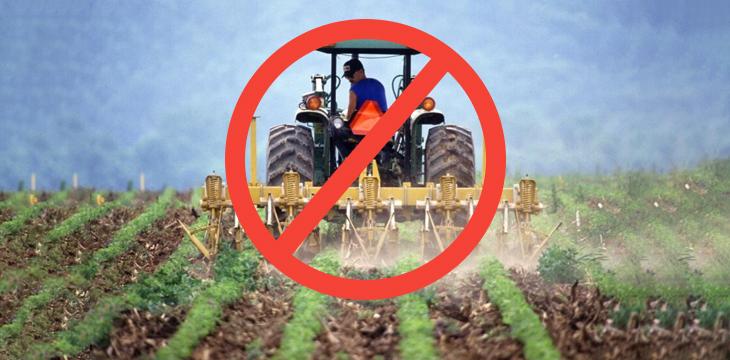
At Hosachiguru, we embrace the wisdom of nature and cultivate the land in harmony with its innate design. By avoiding constant tilling, we foster a thriving ecosystem that prioritizes soil health and biodiversity. With “NoTill” farming, we embark on a journey where the land becomes its own caretaker, resulting in enduring and productive agricultural systems.

Inspired by the resilience and diversity of pristine forests, our core objective aligns with the principles of “NoTill” agriculture: nurturing an agricultural ecosystem capable of prospering naturally for future generations. Though initial efforts may require more attention, the possibility of creating thriving agro and food forests becomes a tangible reality.

“NoTill” Agriculture: Towards Sustainable Solution

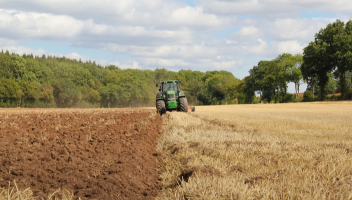
“NoTill” farming is a sustainable alternative that addresses the urgent need for food production without depleting soil fertility. This approach minimizes soil disturbance during planting and cultivation, preserving its natural structure and composition. By adopting it, farmers can reduce greenhouse gas emissions, improve soil health, conserve water, and prevent erosion.

The history of “NoTill” farming showcases the ingenuity of farmers striving to revolutionize agricultural practices. Agronomist Edward Faulkner and farmer Masanobu Fukuoka played pivotal roles in challenging conventional beliefs and promoting minimal soil disturbance. Their methods, including “NoTill” seeding, cover crops, and natural pest control gained momentum in the 1970s as effective solutions for soil conservation. This type of approach helps in making sustainable agriculture, inspired by visionary individuals and organizations committed to sustainable practices.

Benefits of Grass Mulching and Root Systems in “NoTill” Approach at Hosachiguru 

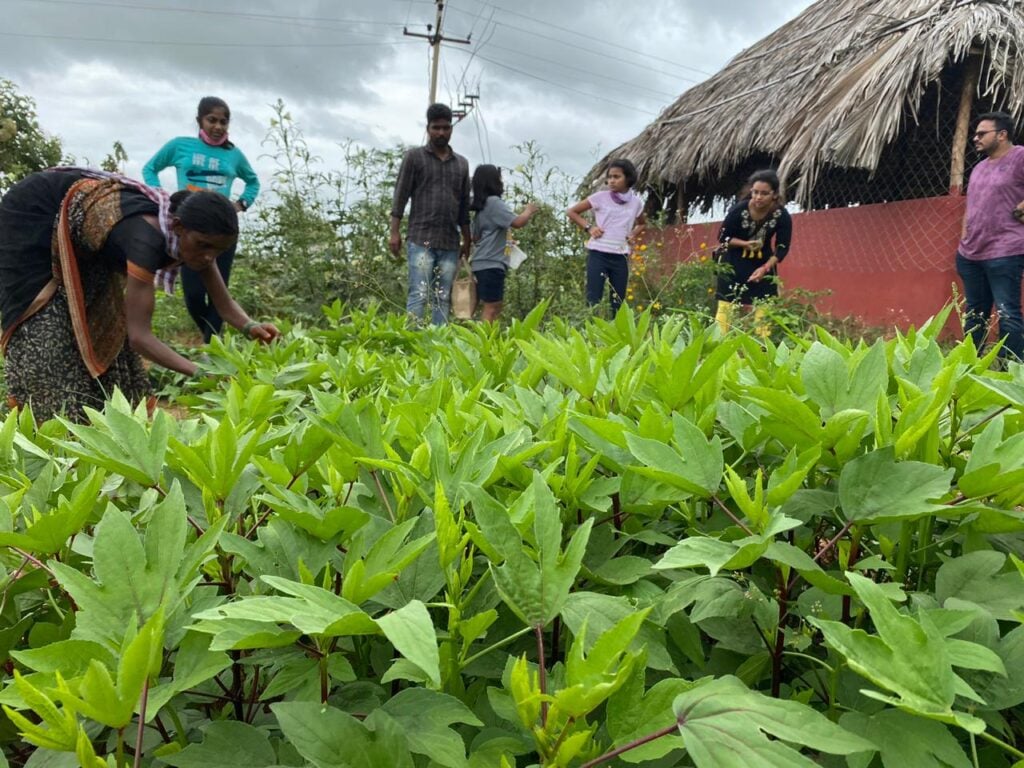
At Hosachiguru-managed farmlands, when the grass is cut (not totally uprooted), it becomes mulch on the soil. It serves several important purposes. Firstly, it helps to preserve soil moisture by acting as a protective layer. It reduces evaporation and retains moisture. Secondly, it regulates temperature by providing insulation to the soil. The act of cutting grass sends a signal to the plant, prompting it to regrow rapidly. The new vegetation that emerges engages in photosynthesis, a process that utilizes carbon dioxide and sunlight to produce oxygen, sugars, carbohydrates, and other carbon-rich compounds.

Interestingly, when the cut grass with new vegetation decomposes, it releases up to 40% of these carbon-rich compounds into the soil as exudates. These exudates serve as a food source for fungi and bacteria, helping their growth. This, in turn, promotes the proliferation of these beneficial microorganisms, leading to a return of nutrients to the grass/plants.

This relationship between plants and microorganisms is mutually beneficial and essential for sustainable agriculture. While microorganisms contribute to plant growth and health, plants provide nourishment and shelter for these microorganisms. Thus, this symbiotic relationship plays a crucial role in maintaining the long-term viability of agricultural systems. The preservation of the grass/weeds through “NoTill” approach over a period of time results in the formation of Humus in the topsoil and the increase of soil organic carbon.

When grass is cut above the ground, it leaves the root systems intact. By keeping the roots in place, they continue to firmly anchor the soil, preventing soil erosion. This becomes particularly important during periods of excessive rainfall or stormwater runoff. With the root system still intact and securely holding the soil, the water has an opportunity to infiltrate into the ground. As a result, the groundwater table is replenished, contributing to an increase in the water level below the surface.

Furthermore, “NoTill” approach has multiple benefits resulting in overall soil health improvements sustainably.

Hosachiguu’s “NoTill” approach finds inspiration from accomplished experts in the field.

  • Masanobu Fukuoka, a Japanese farmer, and philosopher, popularized “NoTill” approach through his “Natural Farming” method. Fukuoka’s “do-nothing farming” approach challenged the prevailing belief in excessive human intervention. Fukuoka emphasized sowing seeds directly onto untilled soil and maintaining a permanent ground cover to promote natural processes and increase soil fertility. This philosophy of minimal interference in farming practices promotes a harmonious coexistence with nature. His teachings have inspired sustainable agriculture worldwide.
  • Raju Titus, a farmer from Hoshangabad, Madhya Pradesh, has achieved remarkable success with “NoTill” farming. Inspired by Masanobu Fukuoka, his method involves covering fields with weeds and grass to improve soil fertility. With just one acre of land, Raju cultivates various crops, showcasing the potential of “NoTill” farming. https://www.thebetterindia.com/106908/raju-titus-no-till-natural-farming/
  • Shri late Narayana Reddy ji, a farmer from Varthur, Karnataka, transitioned to organic farming in 1979 after being inspired by Fukuoka’s book. Fukuoka’s visit to his farm in 1988 further strengthened his commitment to sustainable agriculture. https://www.youtube.com/watch?v=Eh7FftIxGHs

Conclusion

“NoTill” agriculture challenges industrial farming practices and offers a promising solution for the future. By recognizing the limitations of tillage, we can embrace sustainable approaches that promote soil health, biodiversity, and food production. “NoTill” eliminates erosion, retains water, and reduces greenhouse gas emissions, contributing to climate change mitigation. It preserves soil structure, allowing beneficial organisms to thrive and supporting soil health and fertility. While “NoTill” isn’t a cure-all, it’s a vital part of a broader vision of sustainable agriculture that values diversity in farming methods. Let’s unite in promoting “NoTill” farming practices, sow the seeds of change, and create a thriving future for our lands, communities, and planet. Now is the time for action.

Author: Srinivas Abhilash

Introduction

Within the expansive and ever-evolving domain of sustainable agriculture, multiple ideologies have surfaced, each promoting a more environmentally friendly and robust future. It is fascinating to observe that while these approaches share the common destination of sustainability, they originate from distinct starting points, addressing diverse ecological challenges.

From organic farming to permaculture, regenerative agriculture to agroforestry, each method offers its unique perspective on achieving harmony between agriculture and the environment. In the diverse array of sustainable methodologies, syntropic farming emerges as a captivating and comprehensive approach.

Origin of Syntropic Agriculture

Syntropic Agriculture is a sustainable farming approach that harnesses the principles of syntropy (an inherent inclination of a closed system to autonomously arrange, structure, and advance in complexity), which refers to the natural inclination of a closed system to autonomously arrange, structure, and advance in complexity. Originating in Brazil 25 years ago and gaining popularity in countries like Australia, this method draws inspiration from the work of Mr. Ernst Götsch, a Swiss farmer and researcher.
Syntropic Agriculture encompasses a comprehensive farming methodology that integrates principles derived from permaculture, regenerative farming, and natural farming into a cohesive framework. Its core focus is on the cultivation of timber and food forests, with the ultimate objective of reforesting the planet. At Hosachiguru-managed farmlands, we are passionately committed to collaborating with our co-farmers in the creation of agroforests and food forests, as part of our mission to contribute to a greener and more sustainable future.
Unlike modern agricultural approaches, Syntropic Agriculture prioritizes soil health and follows flexible principles inspired by nature’s functioning. By embracing the complexities of natural ecosystems, it seeks to mimic their regenerative processes. This comprehensive approach to sustainable land management establishes harmonious farming systems for humans and the environment, offering a resilient and ecologically sound agricultural practice

Key Principles and Guidelines of Syntropic Agriculture

Principles

    • Keep the soil covered
      • It is accomplished by growing large amounts of biomass on-site, which is then pruned or cut and applied to the soil on a regular basis.
      • According to Ernst, uncovered soil is like a wound on Earth. A thick layer of organic matter is repairing the damage. Over time, it degrades into rich compost, acting as an organic fertilizer. It also shields the soil from the sun and prevents water evaporation, reducing the need for frequent rainfall. It makes farming easier by preventing competitive grass and weeds. It also keeps the harvest clean.
        • At all farmlands managed by Hosachiguru, a combination of green and brown mulch is utilized, comprising grass, leaves, wood chips, twigs, mulberry sticks, and crop residues. Mulching not only regulates soil temperature but also conserves moisture and inhibits weed proliferation. It acts as a protective layer, ensuring the soil remains warm and snug. To learn further about Hosachiguru’s soil and microorganism care practices, take a look at the blog post on International Compost Awareness Week available at https://www.hosachiguru.com/blog/international-compost-awareness-week/.
    • Maximize Photosynthesis
      • By laying out tree rows from north to south, syntropic farming aims to maximize photosynthesis. As opposed to managing water solely through contour planting, this is the primary design layout strategy. Also, this is accomplished through extremely dense planting; 20-40 plants/seeds/cutting per square meter.
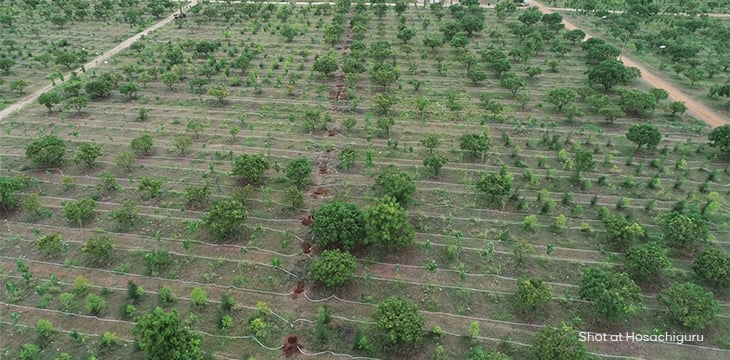
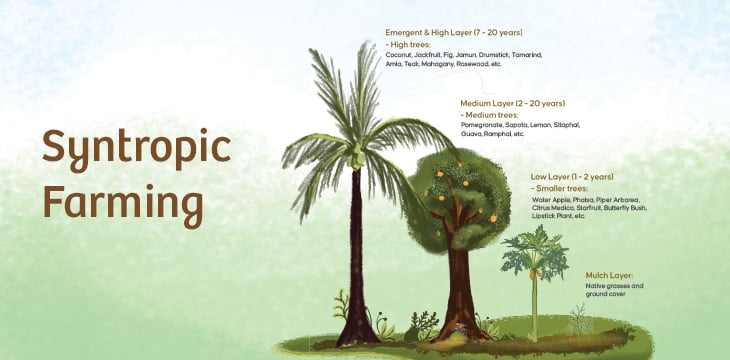
      • The plants are arranged in space according to the stratification principle, which refers to where a plant grows in its optimal habitat. The four commonly used strata are Emergent, High, Medium, and Low, and they mostly refer to the species’ light requirements, but also to the species’ form/habit and leaf structure.
        • All farmplots at Sambrahma and Dhaanvi Farms, managed by Hosachiguru, are meticulously stratified according to the principle of syntropic farming. This stratification ensures the optimal utilization of space and resources, fostering a thriving ecosystem.
          • In the uppermost layer, the Emergent level, timber trees such as coconut, papaya, ice apple, and areca nut dominate the landscape, providing shade and a canopy for the layers below.
          • Moving down to the High layer, we find majestic fruit trees like mango, avocado, tamarind, and jackfruit. These towering trees offer shade and bear delicious fruits, contributing to the farm’s biodiversity and productivity.
          • The Medium layer comprises cashew fruit, custard apple, rose apple, amla, wood apple, and ramphal. These trees play an essential role in enhancing the farm’s diversity, providing valuable yields, and contributing to the overall ecosystem balance.
          • Lastly, in the lower layer, one can find lemon, banana, pomegranate, sapota, orange, and sweet lime trees. These fruit-bearing trees complete the stratification, adding variety and further enriching the farm’s offerings.
    • Synchronization
      • Synchronization in agriculture involves harvesting and pruning plant biomass to make room for the next generation of species. This process stimulates new growth by triggering the release of root hormones. Additionally, at Hosachiguru, our dedicated ground staff practices biomass planting. By planting trees and perennial crops, we enhance soil fertility and sequester carbon, benefiting both the environment and our crops. It’s a sustainable win-win for all. Hosachiguru Managed farmlands feature a variety of biomass plants, divided into three types.
        • Tree Species, including Agasey, Drumstick, Erythrina, Gliricidia, and Albizzia, provide shade, biomass, and aid in carbon sequestration.
        • Shrub Species like Mexican Sunflower, Cassava, Red Gram, and Turmeric contribute to soil health, nitrogen fixation, and biodiversity.
        • Grass Species, such as Vetiver Grass, Napier Grass, and Lemon Grass, stabilize soil, prevent erosion, and offer organic matter for nutrient cycling.
  • Natural Succession
    • Succession, the inherent tendency of a natural system to evolve from simplicity to complexity, plays a crucial role in the essence of syntropic farming. As we embark on this enchanting expedition of plant arrangement, starting from pioneering species to secondary ones, we bear witness to the awe-inspiring culmination of a mature forest. At Hosachiguru, we wholeheartedly embrace the power of managed successions, fostering a harmonious growth that thrives on the constant interplay of diverse strata.
    • As the succession unfolds, each plant finds its rightful place, contributing to the ever-evolving story of the forest. This process propels the system towards species capable of capturing and harnessing more energy, resulting in the concentration of energy itself, precisely what “syntropy” signifies. By harnessing the power of natural succession, we unlock the inherent potential of syntropic farming, allowing us to cultivate thriving ecosystems where every plant plays a vital role.

      How Does Syntropic Farming Work

The underlying principles of a prosperous syntropic system can be distilled into two essential traits: Energy capture and management, and Accelerated growth and development.

    • Energy Capture and Handling

      • A forest system captures solar energy through photosynthesis, converting carbon dioxide and water into sugars and storing the sun’s energy in organic compounds.
      • Nitrogen, an essential plant nutrient, is obtained through a symbiotic relationship with nitrogen-fixing bacteria in plant roots and decaying wood.
      • Energy in a forest system is managed through complex networks and relationships among organisms. Forests provide a protective environment that supports these networks.
  • Accelerated Growth and Evolution

    • A healthy living system is dense, diverse, and well-adapted to its environment, with a multitude of different organisms. A healthy forest, for instance, showcases this diversity with various trees, shrubs, and vegetation. This diversity is vital as it mitigates the impact of wind, rain, and sunlight.
    • The multiple layers of vegetation serve as buffers, enabling the land to absorb and withstand these elements while offering protection during severe weather.
    • In a healthy living system, all organisms collaborate to create a unified and intelligent system that evolves for the benefit of the whole.

Unleash the Power of Syntropic Farming: Greening the Planet, One Forest at a Time!

Advantages

  • Bountiful Harvests: Syntropic farming yields abundant crops, ensuring a steady income throughout the growing season.
  • Sustainable Income: Over time, fruit and lumber trees mature, increasing profitability and providing a stable source of revenue.
  • Maximizing Land Space: By integrating vegetables with trees, the land is optimized for optimal productivity and efficient space utilization.
  • Cost-Effective: Say goodbye to costly pesticides, fertilizers, and machinery, as nature’s balance takes care of the farm’s needs.
  • Thriving Soil: Syntropic practices enrich the soil, creating fertile, aerated, and workable land that sustains healthy plant growth.
  • Water-wise: Improved water retention minimizes reliance on rainfall, ensuring crops thrive even in drier periods.
  • Nature’s Shade: As trees flourish, they create a pleasant working environment, offering respite from the sun’s glare.
  • Weed-Free Wonder: Natural mulch suppresses unwanted growth, reducing the need for laborious weeding.
  • Strength in Diversity: Biodiversity fosters resilient crops, enhancing plant health and natural defense against pests and diseases.

Disadvantages

  • Delayed Rewards: Syntropic farming requires patience as it takes time for trees to mature and yield significant harvests.
  • Visual Aesthetics: To the untrained eye, syntropic farms may appear “messy” due to the integration of diverse crops and trees.

  • Learning Curve: Embracing syntropic farming entails acquiring specific knowledge and skills, which requires time and effort.
  • Limitations on Cash Crops: Sun-loving cash crops can only be grown for a limited period before shade becomes too dense.

Conclusion – Act Now for a Greener Future!

Embracing the ecological revolution of syntropic farming is not only a transformative step towards reforesting our planet but also a vital path to cultivating sustainable agriculture. By starting your syntropic journey today as a co-farmer at Hosachiguru, you become a steward of thriving ecosystems that benefit not only you and your family but also the Earth as a whole. This approach surpasses the limitations of conventional/modern farming by relying on internal resources rather than external inputs, leading to improved land quality and comparable or even higher harvest yields.

By promoting biodiversity, optimizing resource utilization, and emphasizing ecological balance, syntropic farming can actively contribute to the conservation and restoration of forests. It recognizes that forests are not mere sources of wood, but crucial elements for maintaining the stability and livability of our planet. Through sustainable agricultural practices inspired by the complexity and resilience of forests, we can forge a harmonious coexistence between forests and farmland, securing a sustainable future for both.

Now is the time for action. Let us join hands and unlock the boundless potential of syntropic farming. By adopting this regenerative approach, we can establish a win-win situation, where abundant and sustainable harvests flourish in harmony with nature’s wisdom. Together, we have the power to make a profound impact on the future of our planet. Start your syntropic farming journey today and become a catalyst for positive change. The Earth awaits our united effort to create a flourishing and resilient world.

Author: Srinivas Abhilash

Sustainable Farming Practices Through Managed Farmland: Way To Healthier Future

Food, a basic need for all living beings on this planet earth, is integral to our existence and influences our physical, mental, and emotional well-being. Chanakya, the great philosopher, once said, दीपो भक्षयते ध्वान्तं कज्जलं च प्रसूयते | यदन्नं भक्षयेन्नित्यं जायते तादृशी प्रजा || It means, lamp eats darkness and produces [black] soot! What food (quality) [one] eats daily, so will [one] produce. This reiterates that we are what we eat and should be mindful of what we consume.

Countries of greatness have always produced remarkable people. As Sadhguru ji says, “if the nation has to be great, it needs to look at producing great people. There is no other way.” To build a great nation of thinkers where citizens are responsible, accountable, healthy, and compassionate, we need to look at food and the source of food very seriously. Food can fundamentally change and alter how our brains function. It nourishes the body, mind, and soul. Food comes from soil AKA mother earth. A fertile, nutrient-rich soil is food for our food and a fist full of fertile soil has more living microorganisms than humans on this earth. Healthy soil is built primarily through the interaction of roots and microbes. When microbes are in balance, they function like a fine-tuned engine to support the plant, increase yield and build soil health. Food grown in such soil will yield fruits, vegetables, grains, and lentils loaded with tremendous Jiva shakti. This life force erupts from nutrient-rich food and will form a strong mind, body, and soul. The USA president Franklin D Roosevelt once said: “The nation that destroys its soil, destroys itself.”

Industrialized Farming and Monoculture

Post-independence, India faced food scarcity and had to fundamentally focus on high-yielding seeds, chemical pesticides, and fertilizers. It destroyed our soil. Monoculture, Hybrid Seeds, usage of heavy mechanized structures, and extensive use of irrigation techniques, have been the driving force to slowly move the youth of our nation towards long-term lifestyle diseases.

The destruction of fertile soil has set the stage for a future where people cannot cultivate their food and must rely solely on synthetic, corporate-grown options. Food grown by farmers in harmony with nature is safer and more nutritious than that produced by profit-driven corporations. Control over food equates to control over the world, making it imperative to democratize and decentralize agriculture for a healthier tomorrow.

Sustainable Farming Practices and Managed Farm land

The current methods to grow food on a large scale are highly unsustainable. They are fundamentally exploitative and extractive. On the contrary, managed farmlands typically tend to follow sustainable farming methods. By embracing sustainable farming methods and permaculture principles, farmers and people associated with it can conserve valuable resources, maintain soil health, and create habitats for diverse wildlife. Also, a lot of managed farmland for sale operated by professional management and skilled farmers can be highly productive land parcels depending on the plantation and level of resource efficiency. Conscious consumers looking for long-term sustainable investments can identify permaculture based managed farm land near Bangalore and show their participation and support.

However, a random google search on Managed farm lands near Bangalore and Managed farmland for sale will return 2500 odd results. Choosing the best managed farmland for sale can be daunting as it involves several parameters such as location, soil quality, water availability, land use history, management services, and legal documentation. One should exercise extreme caution when buying a managed farmland.

Through Hosachiguru, you can find the perfect Managed farm land near Bangalore and kick-start your journey into the world of sustainable farming. It’s secure, sustainable, tech enabled, and rewarding.

Sustainable Farming Practices and Hosachiguru-Managed Farmlands

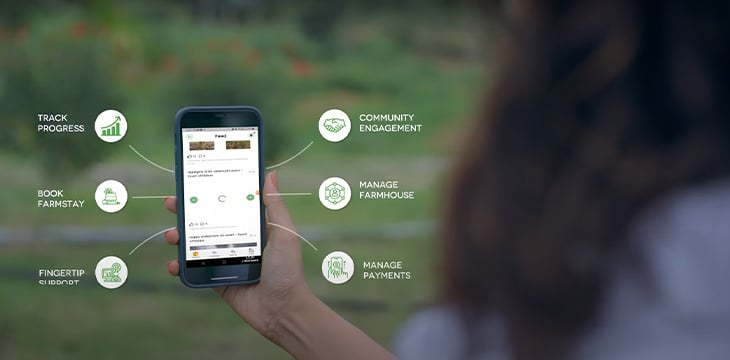
The primary objective of Hosachiguru-managed farm land is to follow permaculture principles, adopt and implement sustainable practices, manage risk, maximize productivity, and reduce operational costs. Traditional farming practices with tech-enabled farm management help to monitor the farm plantations and get real-time insights along with quality yields.

Minimal tilling allows microorganisms in the soil ecosystem to thrive, enhancing soil fertility. Also, steps to increase soil carbon, improve soil health, and increased water retention. Grass and other cover crops pull carbon from the atmosphere during photosynthesis, storing it in biomass made of leaves, stems, and roots. As plants grow tall, their roots grow long, and carbon gets stored deeper into the soil. Carbon sequestration improves soil quality over time and heals mother earth. Fresh and dry mulch is extensively used on the farmland to suppress weed growth and increase soil fertility and water retention. Cover crops like legumes can fix nitrogen from the air into the soil improving soil fertility.

Managed Farm land near Bangalore at Hosachiguru employs regenerative farming practices focusing on the replenishment and upliftment of The AWE Factor(AIR Water Earth). Be a part of responsible farming that works holistically with nature. With Hosachiguru, building a sustainable future is not a far-fetched dream. Co-farmers are guaranteed peace and prosperity.

Conclusion

In conclusion, sustainable farming practices and managed farm land hold the key to a healthier future by prioritizing the well-being of the land and the ecosystem. Think Health, Think Managed Farmlands.

Author: Dr. Ashutosh Srivastava

Heartwood formation is a complex process in woody plants, where a series of changes occur in the plant both physiologically and cytologically, resulting in formation of heartwood i.e., timber of commerce (Plomion et al. 2001). This blog is written in the simplest form so that a reader without deep knowledge of plant histology and physiology understands the process.

Cytological observations reveal that in the formation of heartwood, the death of the ray cells is preceded by a period of great physiological activity, and then the protoplasmic membrane disintegrates to liberate the extractives (Chattaway 1952). Another school of thought is that the heartwood formation is an aging process in a living tree, through which the parenchyma cells undergo irreversible changes such as degradation of the protoplasm and the disorganisation of the cell’s oxidizing system, without physiological activation during the process (Frey-Wyssling and Bosshard 1959). Based on the published literature, the process of heartwood formation can be listed as following major events (Kokutse et al. 2010).

  • Death of parenchyma cells
  • Sapwood desiccation
  • Lack of water transport
  • Accumulation of carbon dioxide and ethylene

All the above processes are directly or indirectly correlated to the stress levels in the plantations. The production cycle followed in Hosachiguru broadly falls in the following growth phases for teak.

Sr. No. Stages and age class Management activity Results aimed at
1. Stage I- Vegetative phase(0-5 years) Close initial spacing, Regular watering, fertiliser applications and weed free growth Straight clear bole. Maximum biomass accumulation with a girth class of 18+ inches for all the trees.
2. Stage II- Withdrawal phase preparing for first harvest (6-7 years) No watering or fertiliser application for the 6th and 7th year. Enhanced stress for the trees resulting in death of parenchyma cells, desiccation of sapwood and heartwood formation.
3. Stage III: First harvest(End of 7th year)

(Optional In High rainfall area)

Removal of alternate rows of the plantation, resulting in opening up of crown and additional space of retained trees for girth increment. Intermediate returns from the first harvest and more importantly providing a boost for remaining trees for girth growth.
4. Stage IV: Booster phase(8th-10th year) Application of irrigation and fertilisers to the retained trees intensively. Additional boost to the retained trees due to opening of crown and application of irrigation and fertilisers. Aim is to have all the retained trees with 24+ to 36+ inches of girth.
5. Stage V: Heartwood induction phase(11th-15th year) No irrigation, no fertiliser application, silvicultural operations like root pruning, girdling and ethereal application for induced stress in plants. Ensure maximum conversion of sapwood and heartwood through stress indication. The plantation will be ready for harvesting by the end of 14th-15th year.

It may be noted that, at Hosachiguru we aim to support the natural cycles in tree growth patterns in order to achieve maximum commercial timber yield in shorter rotation periods.

Author: Ruchi Renavikar | Nihal Anand

Drylands typically face severe water scarcity and commonly have scanty and dry vegetation. They cover 41% of the earth’s land surface and house an estimated 2 billion people (FAO, 2019). While drylands are adaptable to climatic variability and water stress, they are also vulnerable to degradation by anthropogenic activities such as deforestation, urbanization, and unsustainable agricultural practices (tilling, intensive farming, fertilizer & pesticide abuse, etc). These practices disrupt the nutrient cycles, increase soil salinity, and destroy important soil microfauna (bacteria).

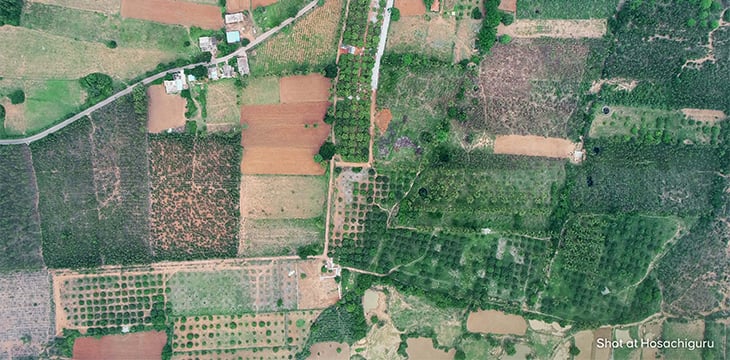
Agroforestry on the other hand, is a sustainable land management system, where trees are integrated with crops on the same plot of land. The trees planted reduce surface water runoff and soil erosion while facilitating an increase in biodiversity, surface and groundwater levels, and soil fertility. Our agroforestry model is further supported by a ‘Systems thinking’ approach, where we account for all ecosystems (soil, water, air) over several years when managing farmland. We have transformed once drylands into biodiverse forested green havens through our regenerative agricultural practices.

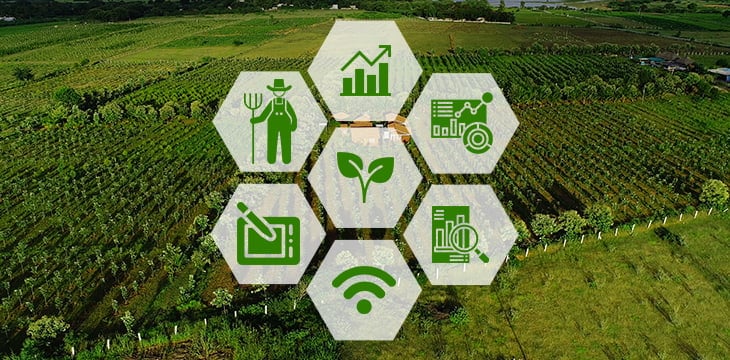
One of the key reasons behind Hosachiguru success is the integration of technology with traditional farming practices. There are sensors installed all across farms, which give real time data about soil moisture, soil temperature, rainfall, leaf wetness etc. This data helps determine the corrective and regenerative processes that must take place on the farm. For example, soil moisture sensors allow our AI systems to give our ground team regular irrigation advisory. All farms are secured with fencing and 24 hr security & CCTV cameras. Hosachiguru farms have harvested data and infrastructure to maximize the potential of farmlands by taking informed decisions.



Transformation Story 1

Eco-habitat 

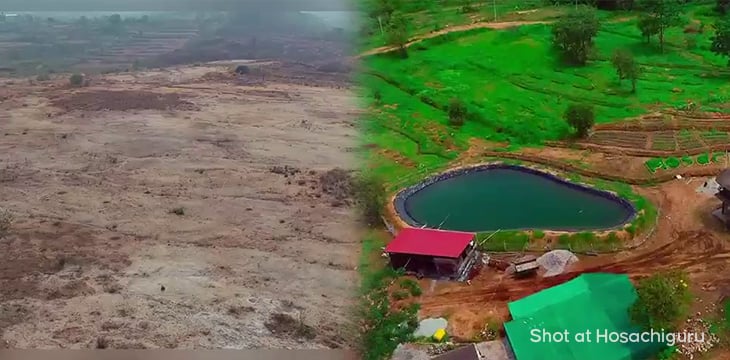
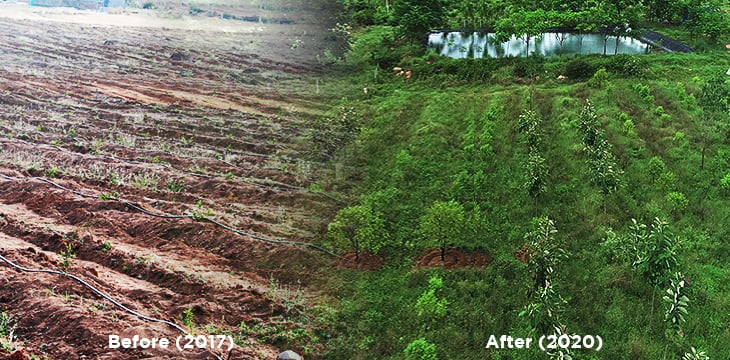
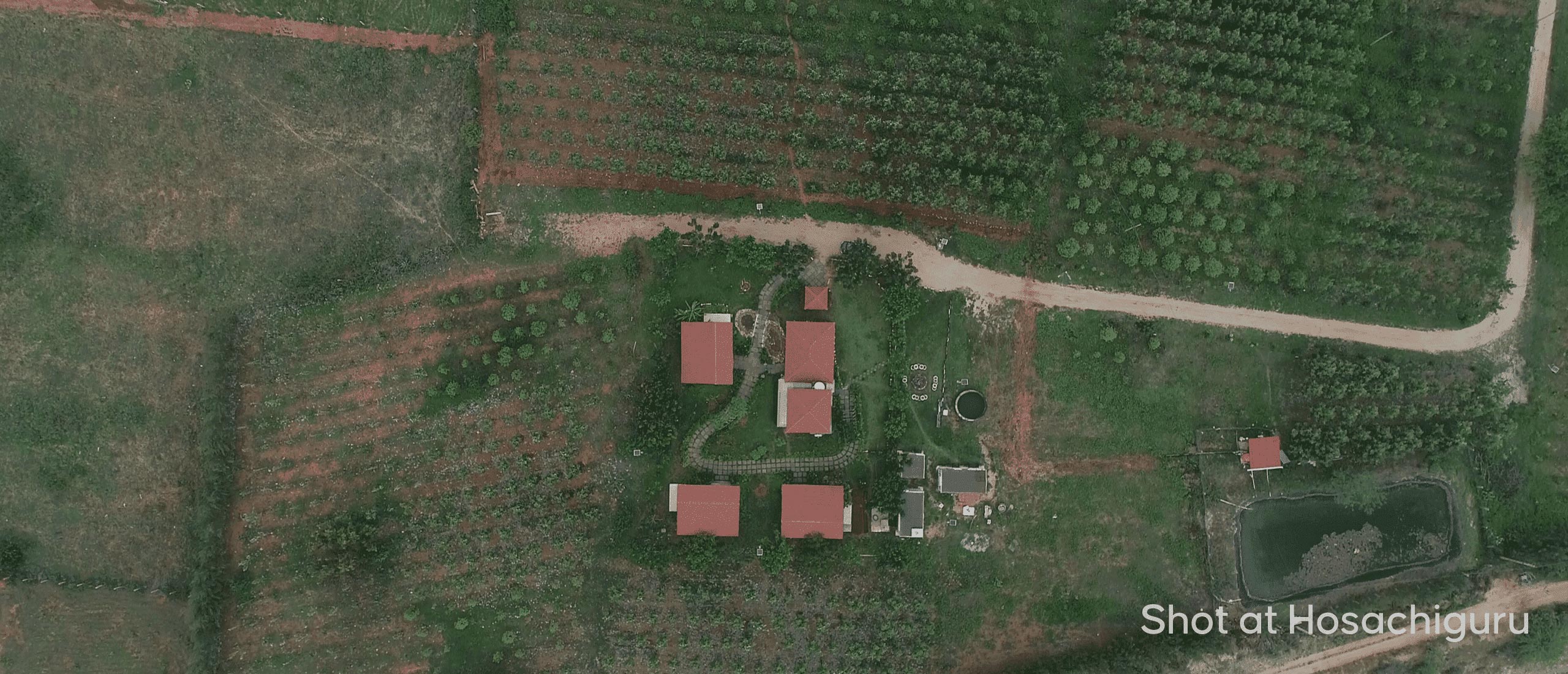
This 20 acres project aims at promoting community supported agriculture managed by the Hosachiguru agronomy team. Acquired in 2017, Hosachiguru has been successfully managing this Teak & Sandalwood plantation complemented with scattered fruit trees. Ecological re-design, rainwater harvesting and the creation of forests were the main principles at this site. The site prior to acquisition was barren with a very alkaline soil pH, unfit for any type of cultivation. Several organic soil corrective measures such as addition of organic carbon (through mulching), farm yard manure (FYM), green manuring etc, were employed to improve the nutrient content, stabilise the pH and increase water retention capacity. Today we have a total of 4000 trees managed at this project with more to come.
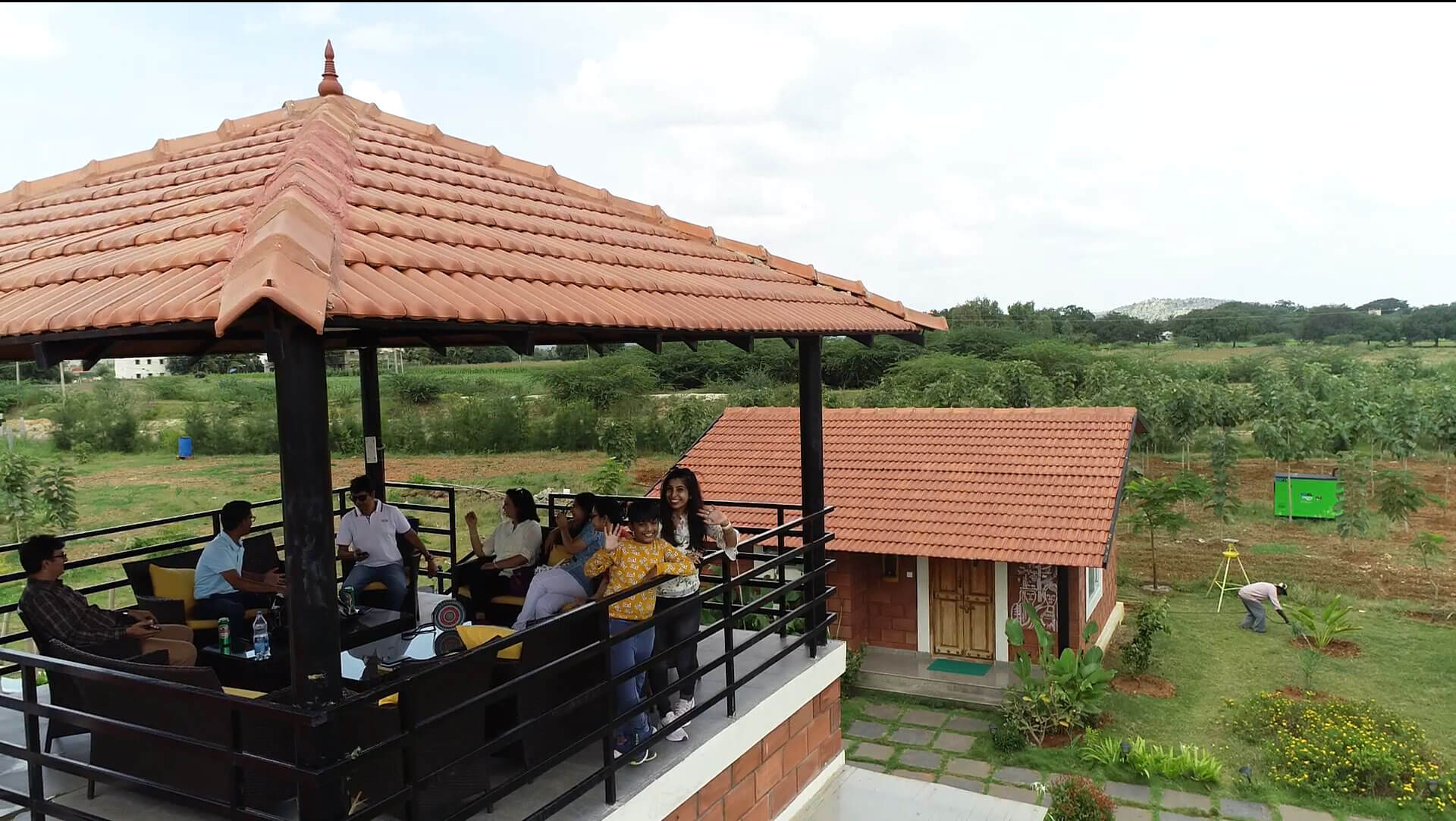
In addition to this, we have a cattle shed, composting unit, vegetable garden and a farmstay retreat for customers to experience a life surrounded by nature. The transformation at Eco-habitat has been phenomenal and can be witnessed by scheduling a site visit as well.

Transformation story 2

EOS 

Started in 2014, EOS has a variety of timber and fruit trees which include Teak, Sandalwood, Mahogany, Mango and Pomegranate. This 45 acre project has a total of 14,000 trees managed by Hosachiguru. The lush green timber & food forests were once a dryland that was devoid of any green cover. The soil was a distribution of uneven gravel, sand and red-soil. Today, it has been transformed into a uniform soil system with highly fertile soil.

Prior to acquisition, this land was also exposed to intensive agriculture, where land was exploited with over-use to chemical fertilizers and pesticides. Residues of which could still be observed back in 2014. We have come a long way in reviving the natural ecosystems at EOS and also evolved in design thinking, when planning and managing farmland.

Specific corrective practices were undertaken at EOS over a 6 year period, which included:

Sl.n Objective Corrective Practice Result
1 To increase soil organic carbon content Mulching- Green mulching is the mixing of the top soil with abundant carbon rich organic matter.
Mulching Materials: dry grass clippings, coconut coir, weeds.Chop and drop method- where weeds in the rows of the plantation are cut and left on the soil surface to increase organic matter (Carbon)
By adding organic matter soil Nitrogen and Carbon increasesGrass clippings break down easily, add nitrogen and carbon to the soil, and increase the soil’s porosity. The coir is a renewable resource, can absorb water and drain easily, and can help the soil retain nutrients.
Chopping and dropping the weeds is doubly beneficial as it not only fertilizes the soil but also prevents the weeds from sowing their seeds.
2 To increase soil fertility Application of naturally composted materials such as, Farm Yard Manure, nitrogen rich mulch, composted farm waste, vermi-compost etc. Improves soil fertility and promotes essential soil bacterial growth
34 To increase water holding capacity (WHC) of the soilTo harvest freshwater Trenching, Micro-bunding, Patta-bunding and hydrogel application to hold more water around the growing plants.Rainwater Harvesting (RWH) tank with a storage capacity of 45L. This RWH tank gets filled twice a year during the monsoon.
Borewell recharge of all the Borewells at EOS project
We have seen a drastic increase in the surface and ground-water since these practices were implemented.
Due to the natural water harvesting methods, EOS has witnessed increased water table levels since 2014 despite water being utilised to grow 14,000 trees.

Really transforming landscapes can often be an arduous task. Despite widespread awareness of the nature and extent of multiple impacts of repeated land-use changes, there remains limited understanding of how these impacts affect trade-offs among ecosystem services and their beneficiaries across spatial scales.

Transforming landscapes takes years and happens in phases. One of the best ways to secure the land from degradation is afforestation, the impacts of which can directly be witnessed by increasing ground water levels, soil humus, soil water holding capacity, and nutrients. Often we forget that aspects of the environment are interdependent and have either a positive or negative feedback onto each other. However the direction of the feedback loop is one that can easily be controlled by operators.

Santalum album L. (East Indian Sandalwood) is a medium-sized semi-parasitic tree which can reach to a height of 33 to 66 feet. It is called as a miracle tree because of its immense uses in trade and traditional form of medicine in South East Asia. As it is semi parasitic in nature it prefers to “steal” nutrients from the roots of nearby plants by using tube-like structures (modified roots) called haustoria. It is mentioned in ancient scriptures of India that every part of sandalwood is used for some or the other benefit of human beings.

Essential oils of sandalwood have antispasmodic (relieve spasm of muscles), antibacterial (kill bacteria) and antiviral (kill viruses) properties. Sandalwood is used in the treatment of inflammation, skin disorders, rashes, cough, fever, flu, hypertension and restlessness. Essential oils are used to improve the functioning of liver, heart and stomach and to strengthen the gums of teeth and muscles. The fragrant oil from the wood is one of the choicest perfumery material in the world and is recently reported to be highly effective in the treatment of breast cancer too.

Seeds of sandalwood also yield an invaluable oil which although does not contain any fragrant components but is bestowed with a unique compound named “XYMNEMIC ACID” which has an immense anti-oxidant property which is being utilised in cosmetic industry world over. Tender leaves of sandalwood are rich in polyphenols which have potential anti-hypertensive propertie

Historically, Sandalwood was declared as a “ROYAL TREE” by Tipu Sultan in 18th Century and since then it was treated as a state property irrespective of where it was growing. This lead to immense pressure on the natural populations of Sandalwood in Karnataka, illegal felling by infamous Veerappan between 70s to late 90s further led to the decline of sandalwood. It was not until 2001 when the Government of Karnataka relaxed rules for sandalwood cultivation, the farmers took interest and since then plantations in small scale have started coming up.

Hosachiguru, pioneering in commercial cultivation of sandalwood since the year 2010. The company is involved in scientific cultivation of Sandalwood in most of its farms.  It aims to be one of the largest sandalwood growers in South India by the year 2025 with several acres of plantations under its management.

Privacy Policy

At Hosachiguru, accessible from https://www.hosachiguru.com/, one of our main priorities is the privacy of our visitors. This Privacy Policy document contains the types of information that are collected and recorded by Hosachiguru and how we use it.

If you have additional questions or require more information about our Privacy Policy, do not hesitate to contact us.

This Privacy Policy applies only to our online activities and is valid for visitors to our website with regard to the information that they share and/or collect in Hosachiguru. This policy is not applicable to any information collected offline or via channels other than this website.

Consent

By using our website, you hereby consent to our Privacy Policy and agree to its terms.
Information we collect

  • We will always make it clear to you what personal information we need and why we need it when we ask you to provide it. 
  • If you contact us directly, we may receive additional personal information about you, such as your name, email address, phone number, and any other information you choose to provide, including the contents of any messages or attachments you send us.
  • When you register for an Account, we may ask for your contact information, which may include your name, company name, address, email address, and telephone number.

How we use your information

We use the information that is collected in various ways, including:

  • To provide, operate, and maintain our website
  • To improve, personalize, and expand our website
  • To understand and analyze how you use our website
  • To develop new products, services, features, and functionality
  • To communicate with you, either directly or through one of our partners, including for customer service, to provide you with updates and other information relating to the website, and for marketing and promotional purposes
  • To send you emails
  • To find and prevent fraud
  • Log Files

Hosachiguru follows a standard procedure of using log files. These files log visitors when they visit websites. All hosting companies do this and are a part of hosting services’ analytics. The information collected by the log files includes internet protocol (IP) addresses, browser type, Internet Service Provider (ISP), date and time stamp, referring/exit pages, and possibly the number of clicks. These are not linked to any information that is personally identifiable. The purpose of the information is for analyzing trends, administering the site, tracking users’ movement on the website, and gathering demographic information.

When you voluntarily send us electronic mail, we will keep a record of this information so that we can respond to you. We only collect information from you when you register on our site or fill out a form. Also, when filling out a form on our site, you may be asked to enter your: name, e-mail address or phone number. Your data is confidential and will not be shared with any 3rd party. You may, however, visit our site anonymously. In case you have submitted your personal information and contact details, we reserve the rights to Call, SMS, Email or WhatsApp about our products and offers, even if your number has DND activated on it.

Cookies and Web Beacons

Like any other website, Hosachiguru uses ‘cookies’. These cookies are used to store information including visitors’ preferences, and the pages on the website that the visitor accessed or visited. The information is used to optimize the users’ experience by customizing our web page content based on visitors’ browser type and/or other information. For more general information on cookies, please read “What Are Cookies”.

Advertising Partners Privacy Policies

You may consult this list to find the Privacy Policy for each of the advertising partners of Hosachiguru.

Third-party ad servers or ad networks use technologies like cookies, JavaScript, or Web Beacons that are used in their respective advertisements and links that appear on Hosachiguru, which are sent directly to users’ browsers. They automatically receive your IP address when this occurs. These technologies are used to measure the effectiveness of their advertising campaigns and/or to personalize the advertising content that you see on websites that you visit.

Note that Hosachiguru has no access to or control over these cookies that are used by third-party advertisers.

Third-Party Privacy Policies

Hosachiguru’s Privacy Policy does not apply to other advertisers or websites. Thus, we advise you to consult the respective Privacy Policies of these third-party ad servers for more detailed information. It may include their practices and instructions about how to opt out of certain options.

You can choose to disable cookies through your individual browser options. To find more detailed information about cookie management with specific web browsers, it can be found on the browsers’ respective websites.

CCPA Privacy Rights (Do Not Sell My Personal Information)

Under the CCPA, among other rights,

Request that a business that collects a consumer’s personal data disclose the categories and specific pieces of personal data that a business has collected about consumers.

Request that a business delete any personal data about the consumer that a business has collected.

Request that a business that sells a   consumer’s personal data, not sell the consumer’s personal data.

If you make a request, we have one month to respond to you. If you would like to exercise any of these rights, please contact us.

GDPR Data Protection Rights

We would like to make sure you are fully aware of all of your data protection rights. Every user is entitled to the following:

Right to access – You have the right to request copies of your personal data. We may charge you a small fee for this service.

The right to rectification – You have the right to request that we correct any information you believe is inaccurate. You also have the right to request that we complete the information you believe is incomplete.

The right to erasure – You have the right to request that we erase your personal data, under certain conditions.

The right to restrict processing – You have the right to request that we restrict the processing of your personal data, under certain conditions.

The right to object to processing – You have the right to object to our processing of your personal data, under certain conditions.

The right to data portability – You have the right to request that we transfer the data that we have collected to another organization, or directly to you, under certain conditions.

If you make a request, we have one month to respond to you. If you would like to exercise any of these rights, please contact us.

Children’s Information

Another part of our priority is adding protection for children while using the internet. We encourage parents and guardians to observe, participate in, and/or monitor and guide their online activity.

Hosachiguru does not knowingly collect any Personal Identifiable Information from children under the age of 13. If you think that your child provided this kind of information on our website, we strongly encourage you to contact us immediately and we will do our best ‌to promptly remove such information from our records.

Contact Us